Citrine Crystal: Frequently Asked Questions
What is the meaning of Citrine crystal?
Citrine is the crystal of abundance, joy, and personal power. Often called the "Merchant's Stone," it is used to attract wealth, boost confidence, and invite positive energy. Its warm golden color reflects sunlight and optimism, making it one of the most popular feel-good crystals. Explore the full collection of Citrine jewelry and crystals or read our complete guide to Citrine stone meaning and properties.
Is Citrine really the November birthstone?
Yes — Citrine is one of the two official November birthstones, alongside Topaz. It is a meaningful gift for Scorpios and Sagittarians, bringing warmth, optimism, and success. Learn more in our November birthstone guide, or shop Citrine and yellow Topaz birthstone jewelry.
How do I cleanse my Citrine?
Citrine is self-cleansing and does not hold negative energy like most crystals. To refresh it, place it in morning sunlight for a few hours or leave it under the Full Moon overnight. For a complete walkthrough of every method, see our guide on how to cleanse crystals, and time your ritual with our Full Moon crystal collection.
What chakra does Citrine work with?
Citrine works mainly with the Solar Plexus Chakra, strengthening confidence, willpower, and personal power. It also activates the Sacral Chakra to spark creativity and passion. Shop crystals for each energy center: Solar Plexus Chakra crystals and Sacral Chakra crystals.
What crystals pair well with Citrine?
Citrine pairs best with Amethyst, Clear Quartz, Rose Quartz, and Pyrite. Amethyst balances Citrine's sunny energy with calm; Clear Quartz amplifies its power; Rose Quartz adds heart-centered love; and Pyrite creates a powerhouse combo for abundance and manifestation.
What is Citrine good for?
Citrine is used for attracting abundance, building confidence, and lifting your mood. It is a go-to stone for manifestation, prosperity, and motivation, which is why it anchors so many wealth and success rituals. Browse our prosperity crystals, wealth crystal altar, and positivity collection to put its energy to work.
What color is Citrine?
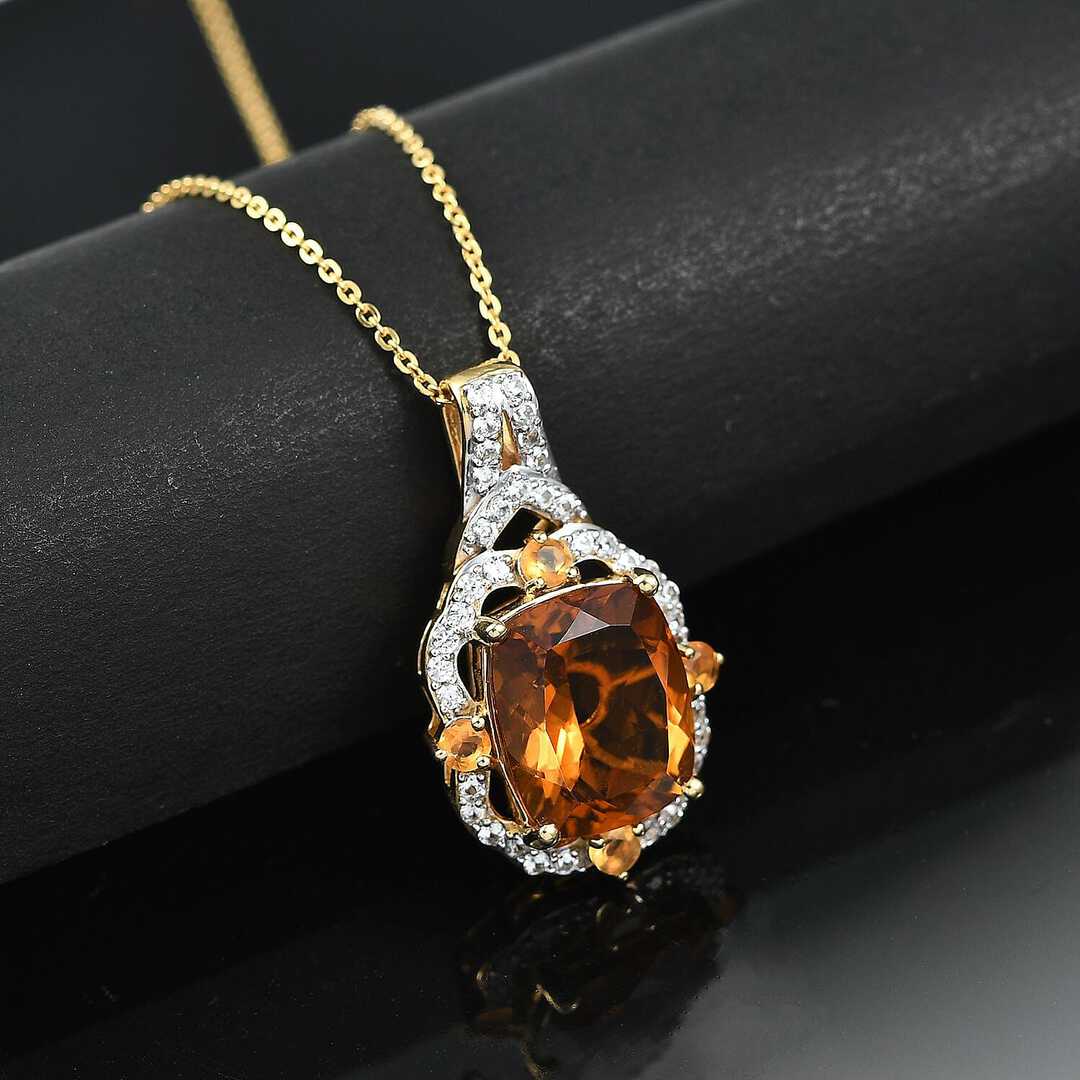
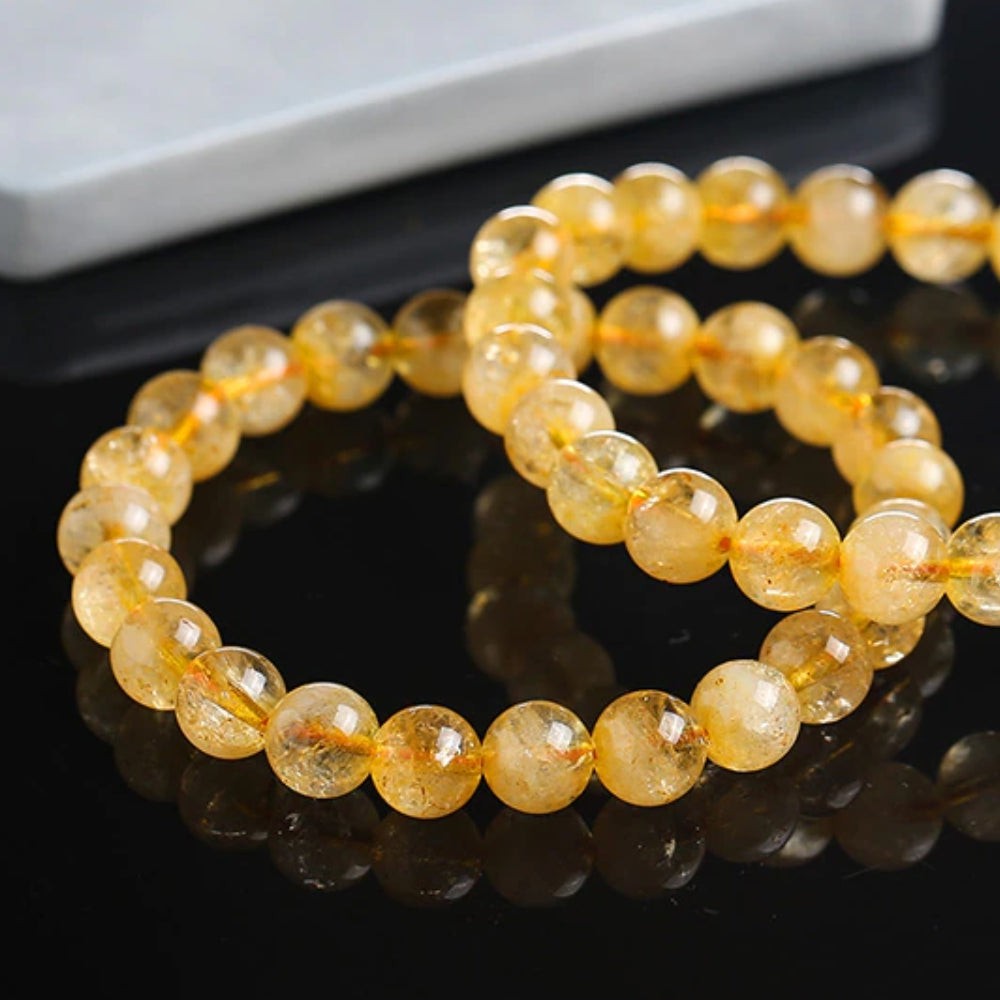
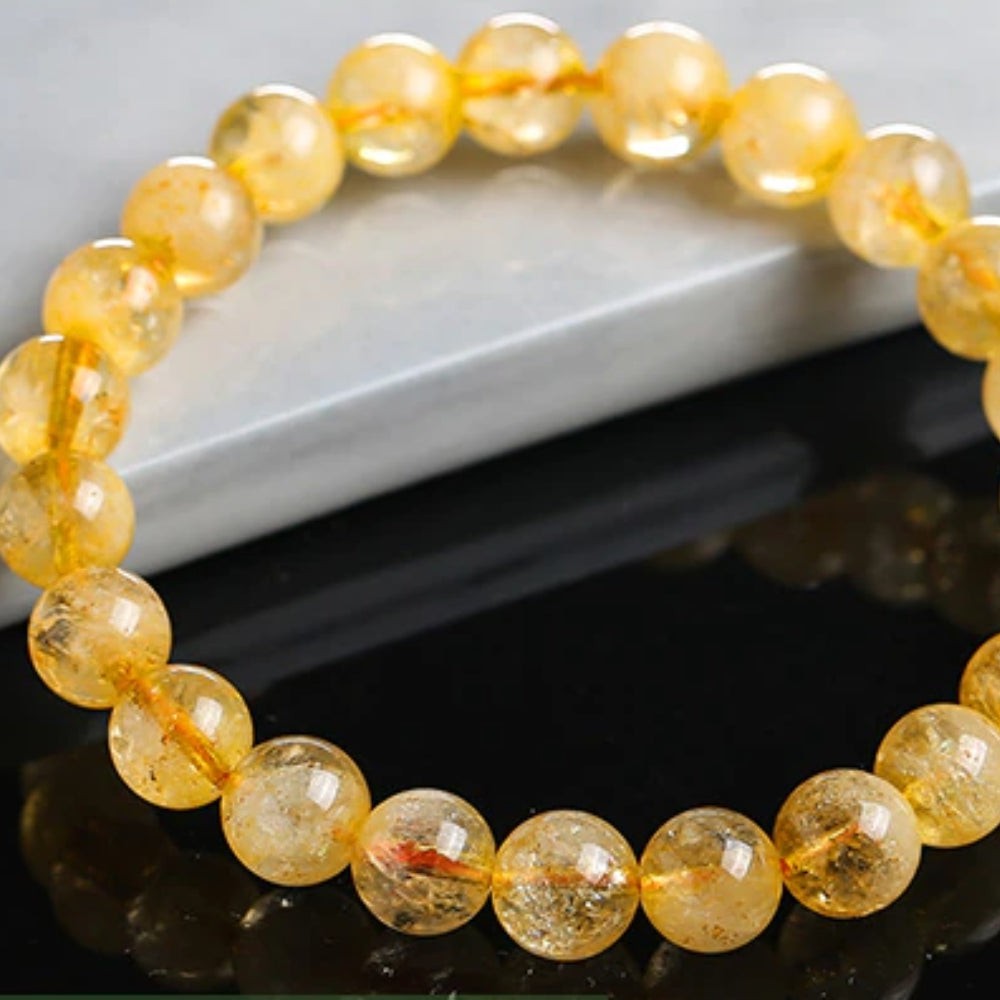
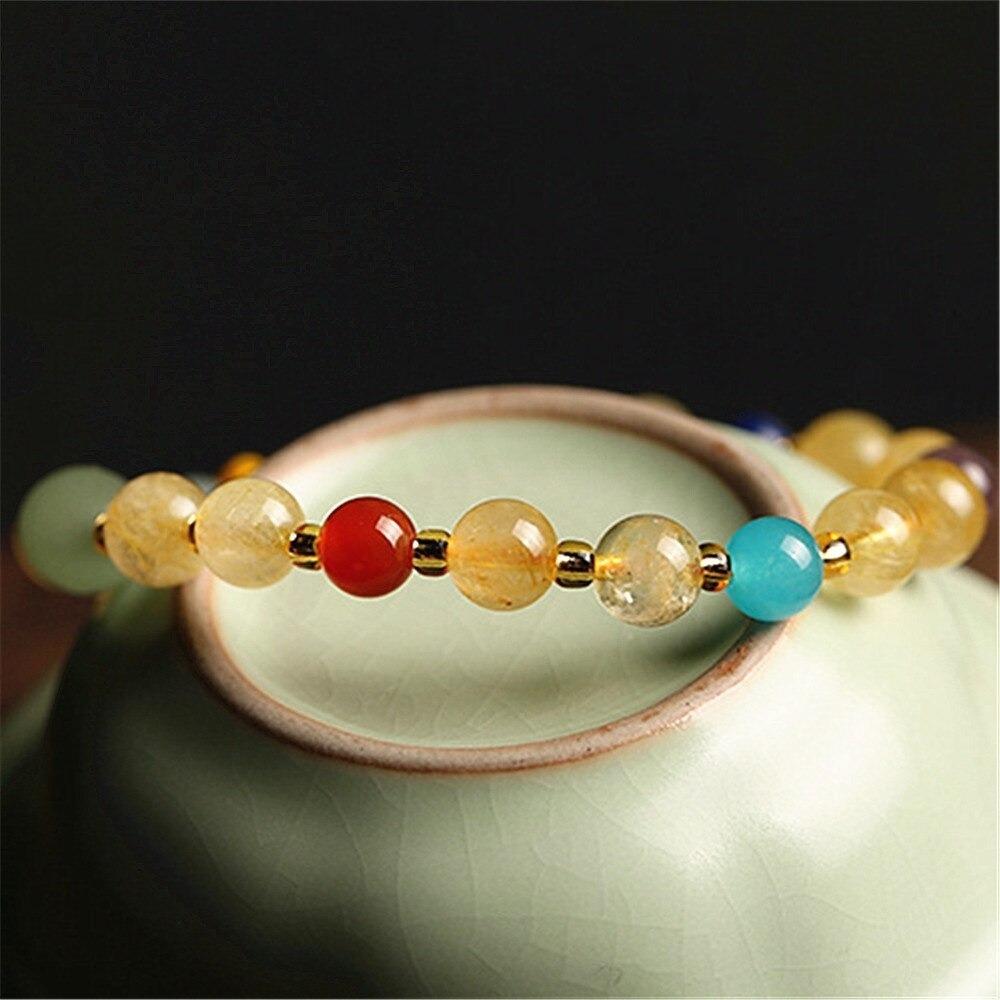
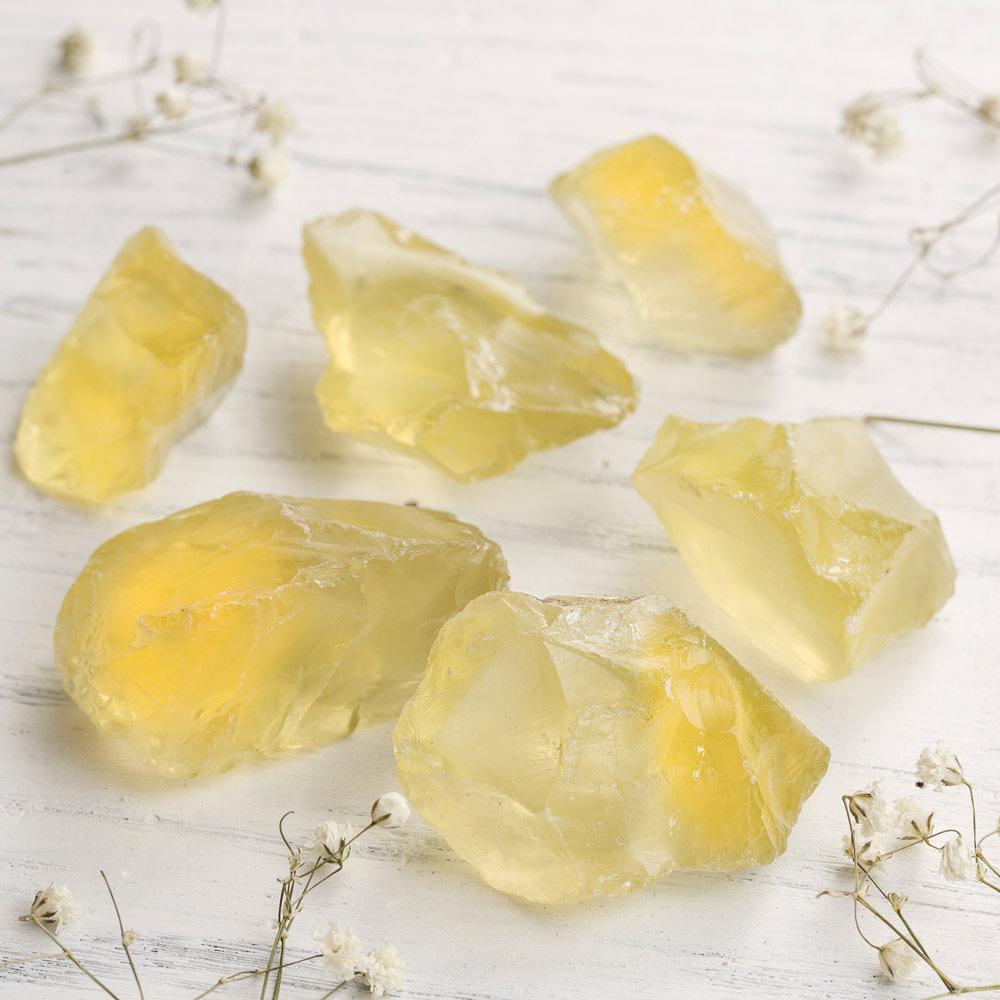
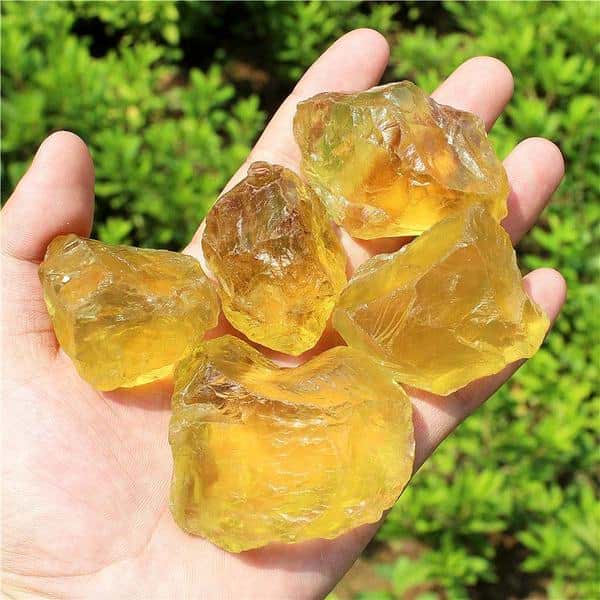
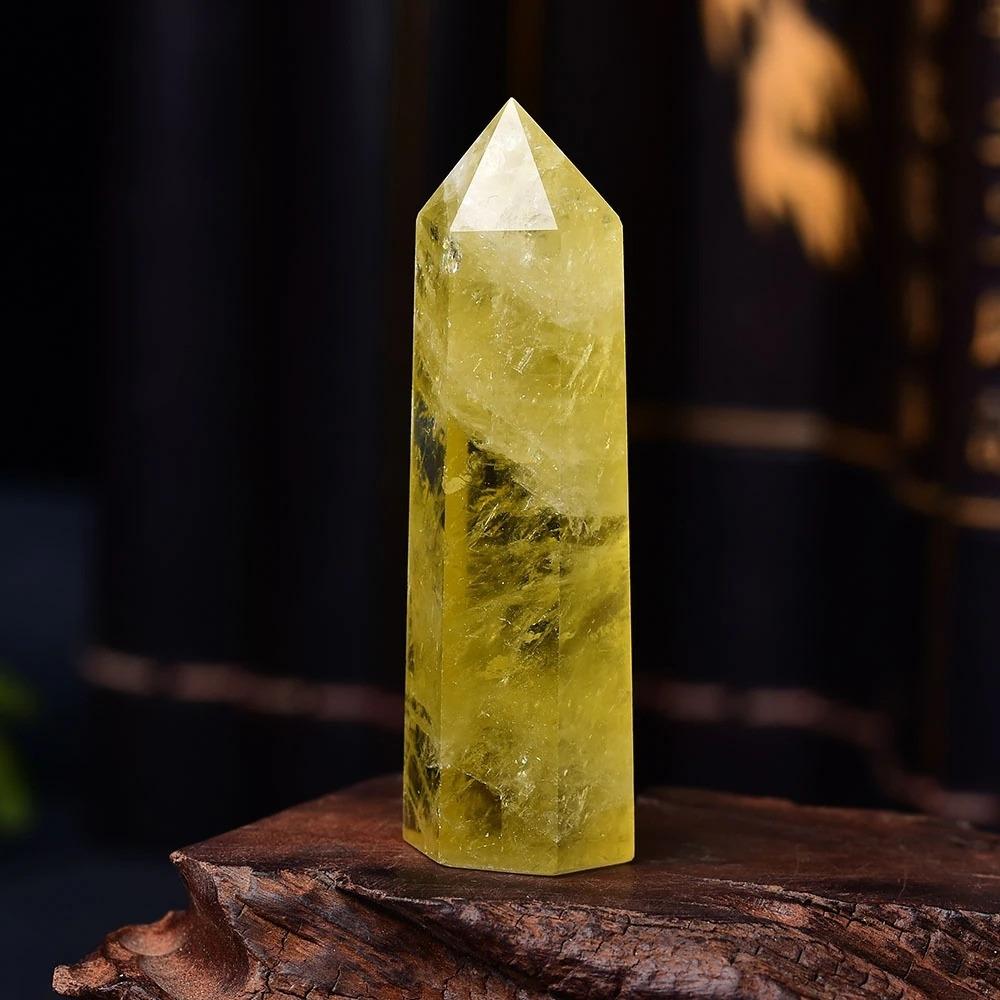
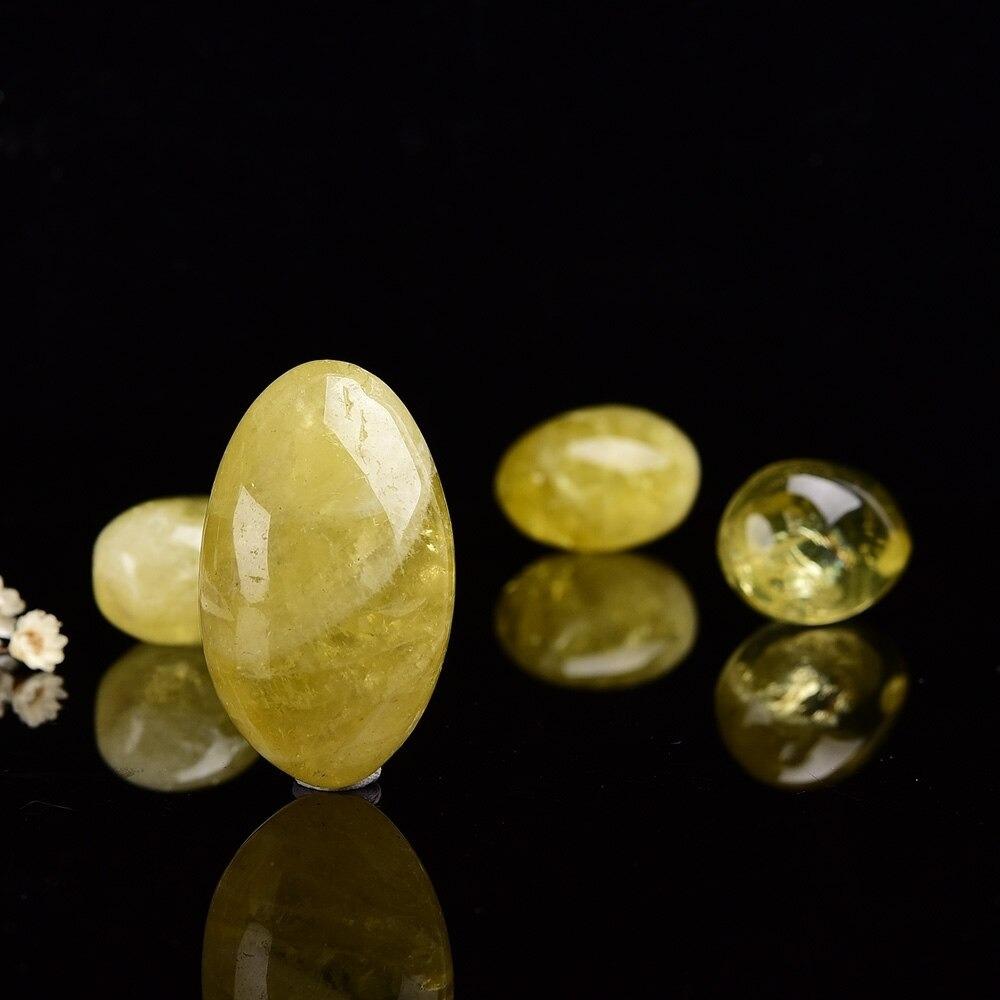
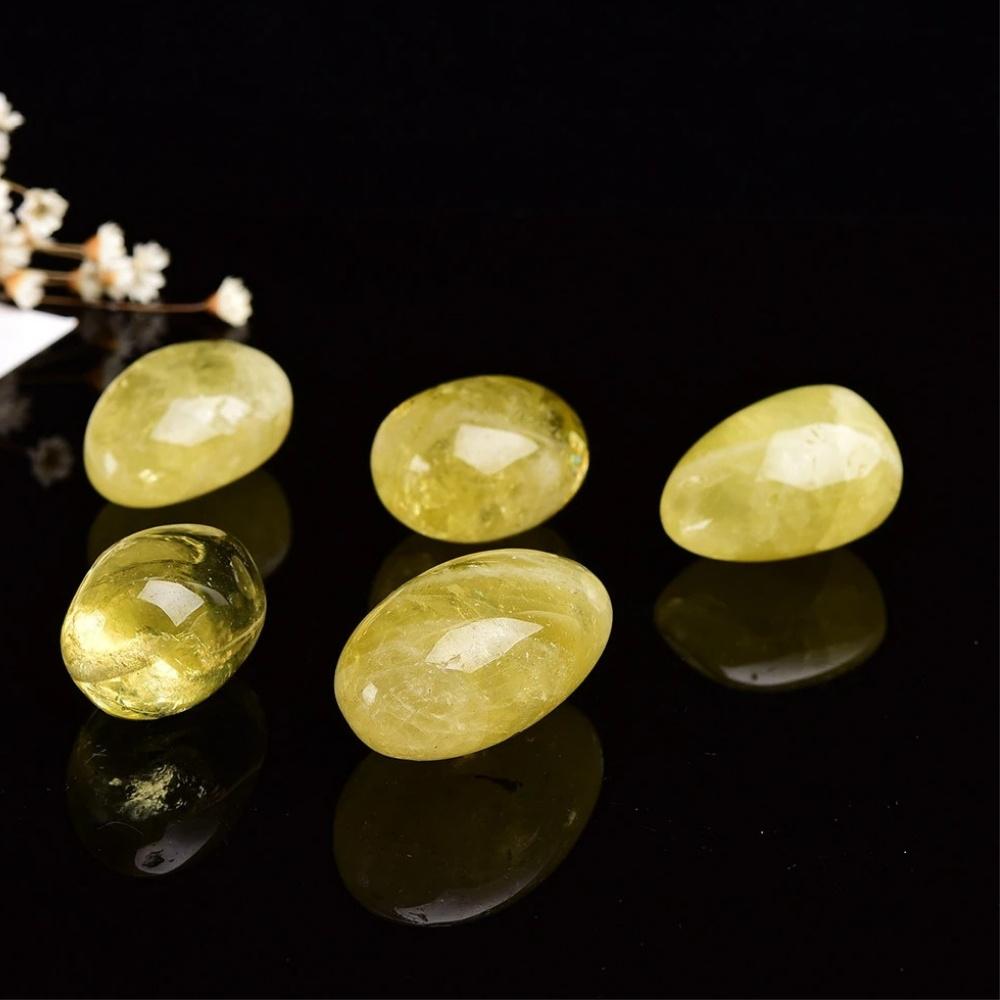
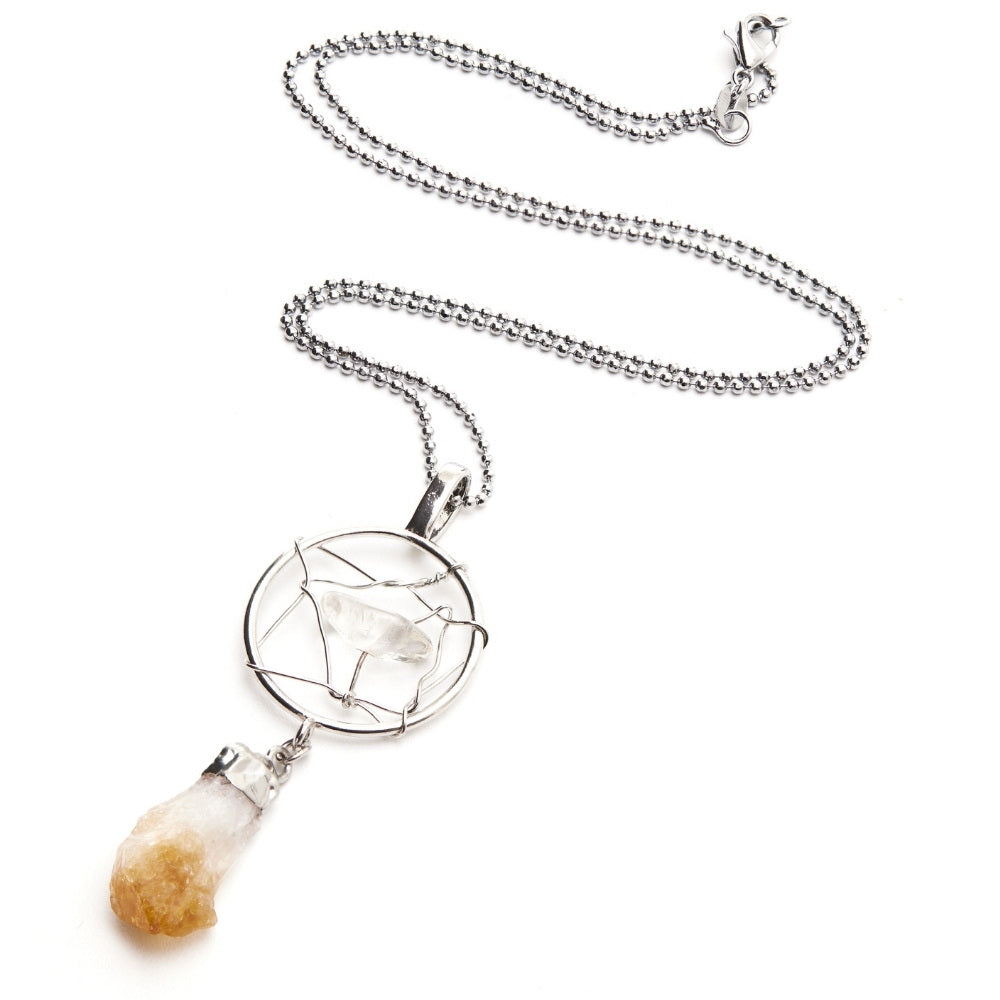
Citrine ranges from pale lemon yellow to deep golden amber and honey-brown. Natural Citrine tends to be a soft, smoky yellow, while heat-treated Citrine (often from Amethyst) shows richer orange and amber tones. See the range of shades in our Citrine collection.
How can you tell if Citrine is real?
Genuine Citrine has subtle color variation, a smoky-to-golden yellow hue, and stays cool to the touch. Natural stones rarely show the bright, uniform orange of heat-treated quartz, and authentic Citrine won't fade quickly in light. For full identification tips, read our complete Citrine guide or explore the quartz crystal family it belongs to.
Who should not wear Citrine?
Citrine is gentle and safe for almost everyone, but its high-energy, stimulating nature may feel like too much for those who are very sensitive to energy or seeking deep calm before sleep. If you want soothing energy instead, pair or swap it with Amethyst from our peace collection.
Can Citrine go in water?
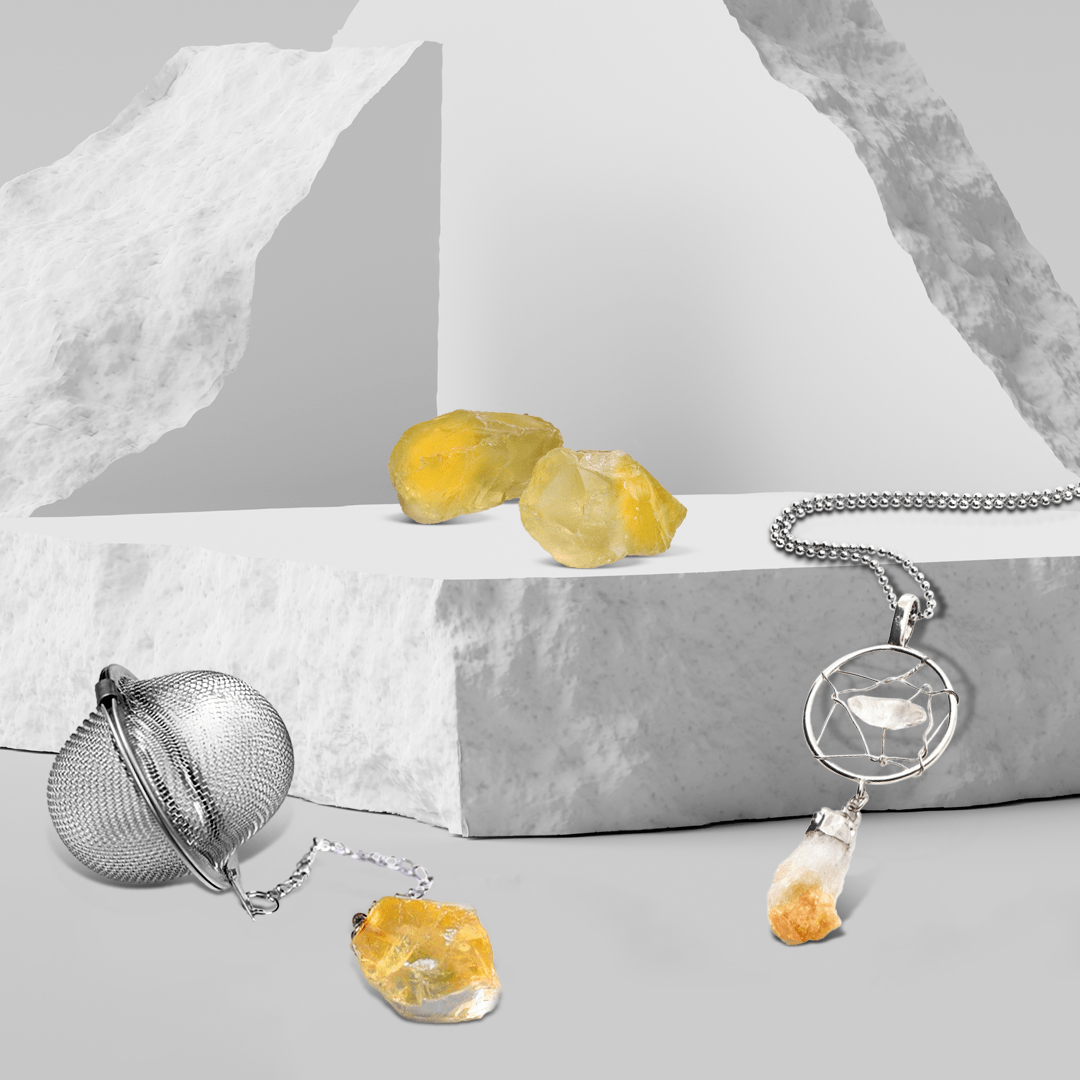
Yes — Citrine is a quartz with a hardness of 7, so brief contact with water is safe. Avoid prolonged soaking, salt water, or harsh cleansers, which can dull its polish over time. For water rituals, use our crystal water accessories designed to keep stones separate from liquid.
Is Citrine the same as Topaz?
No — Citrine and Topaz are different minerals that share the November birthstone title. Citrine is a golden variety of quartz, while Topaz is a separate aluminum-silicate mineral. Both bring warmth and abundance. Compare them in our November birthstone guide or shop the Citrine and yellow Topaz collection.
Is Citrine expensive?
No — Citrine is one of the more affordable golden gemstones. Natural, untreated Citrine is rarer and commands higher prices, while heat-treated Citrine is widely available and budget-friendly. Shop quality pieces across price points in our Citrine jewelry collection.


 Sale
Sale

 Sale
Sale



 New!
New!
 New!
New!



 Best Seller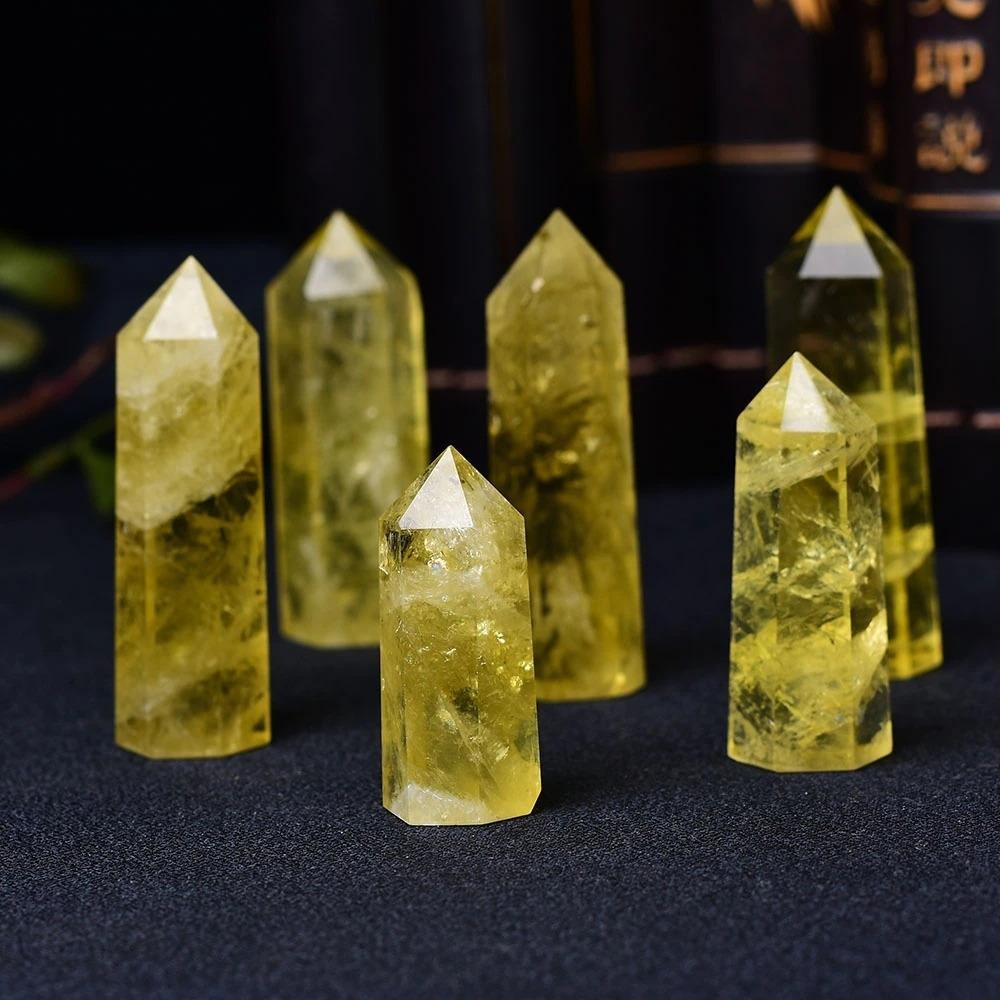
 Sale
Sale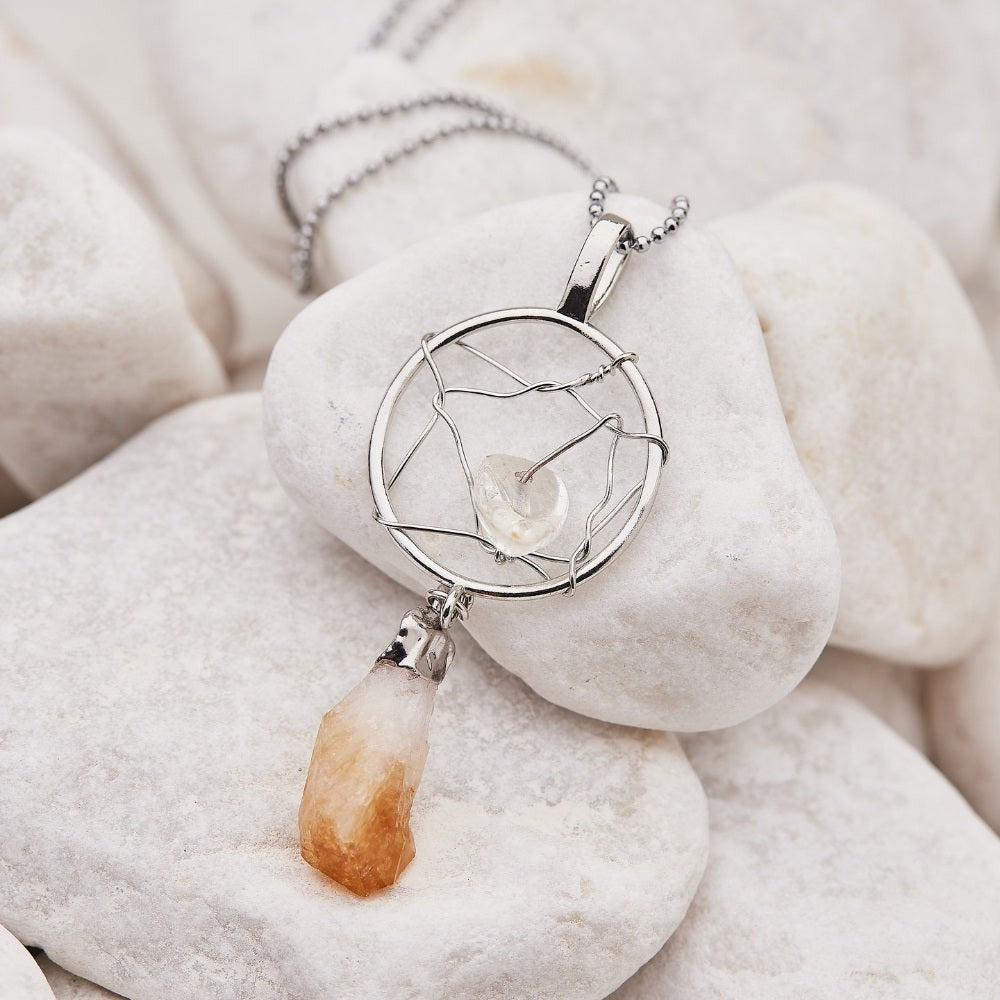
 Sale
Sale






 Mindful Points
 Contact Us


 60 Seconds
 5 Questions


