Your cart is currently empty...
but it doesn't have to be!
We Think You'll Love This


In This Article:
- What Is Celestite? The Stone That Looks Like a Piece of Sky
- Why Is Celestite Called 'The Angel Stone'?
- Celestite vs Celestine: Is There a Difference?
- Celestite Healing Properties and Benefits
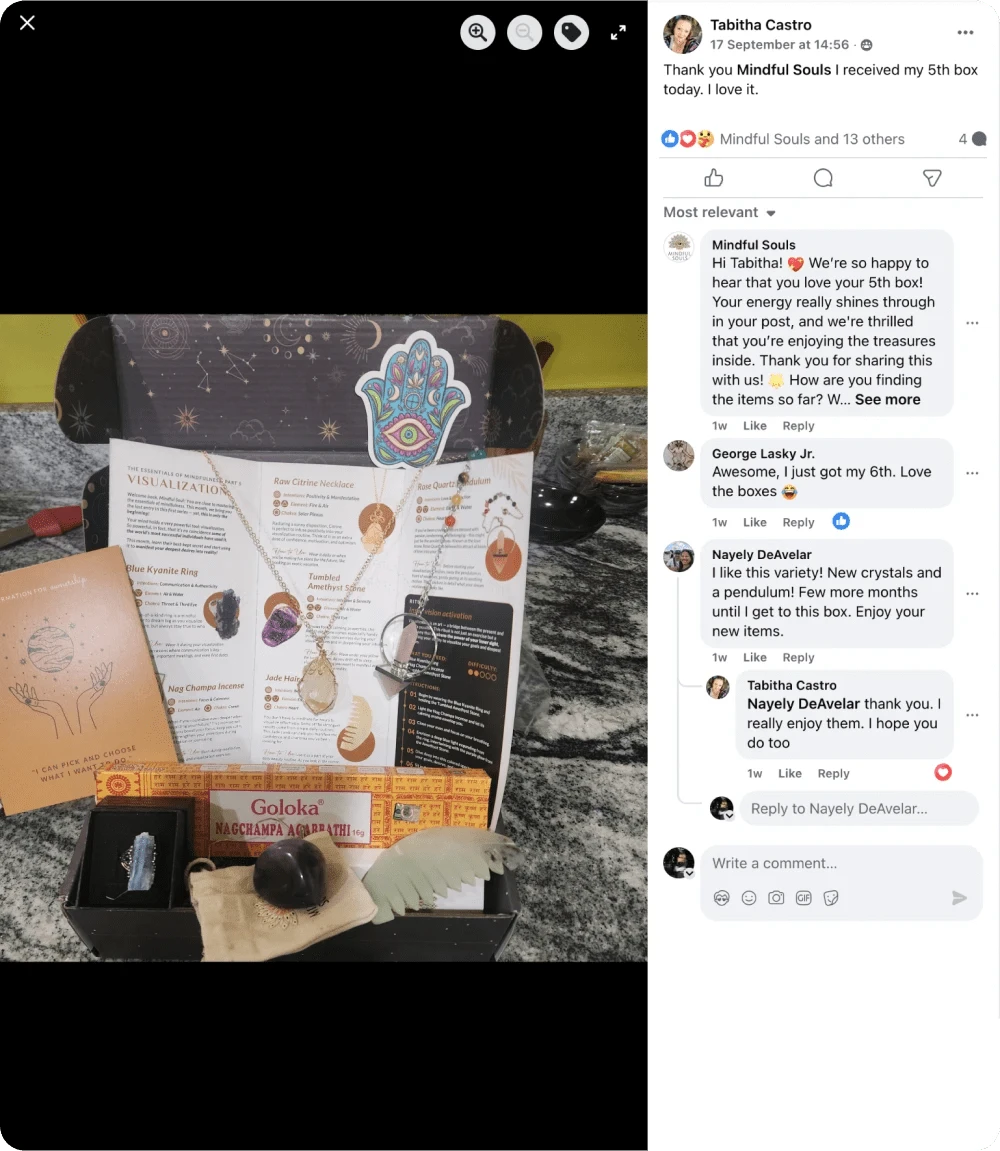
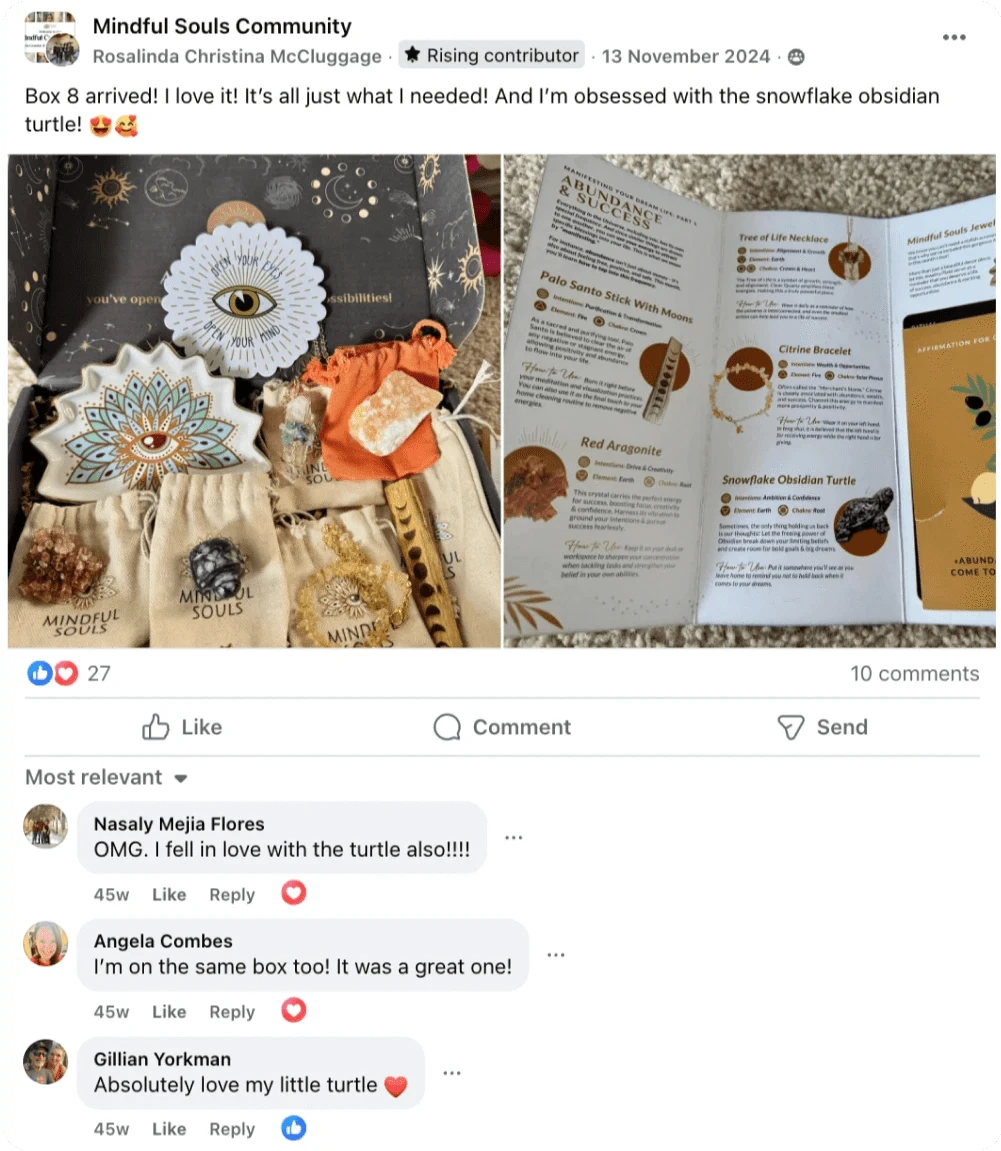
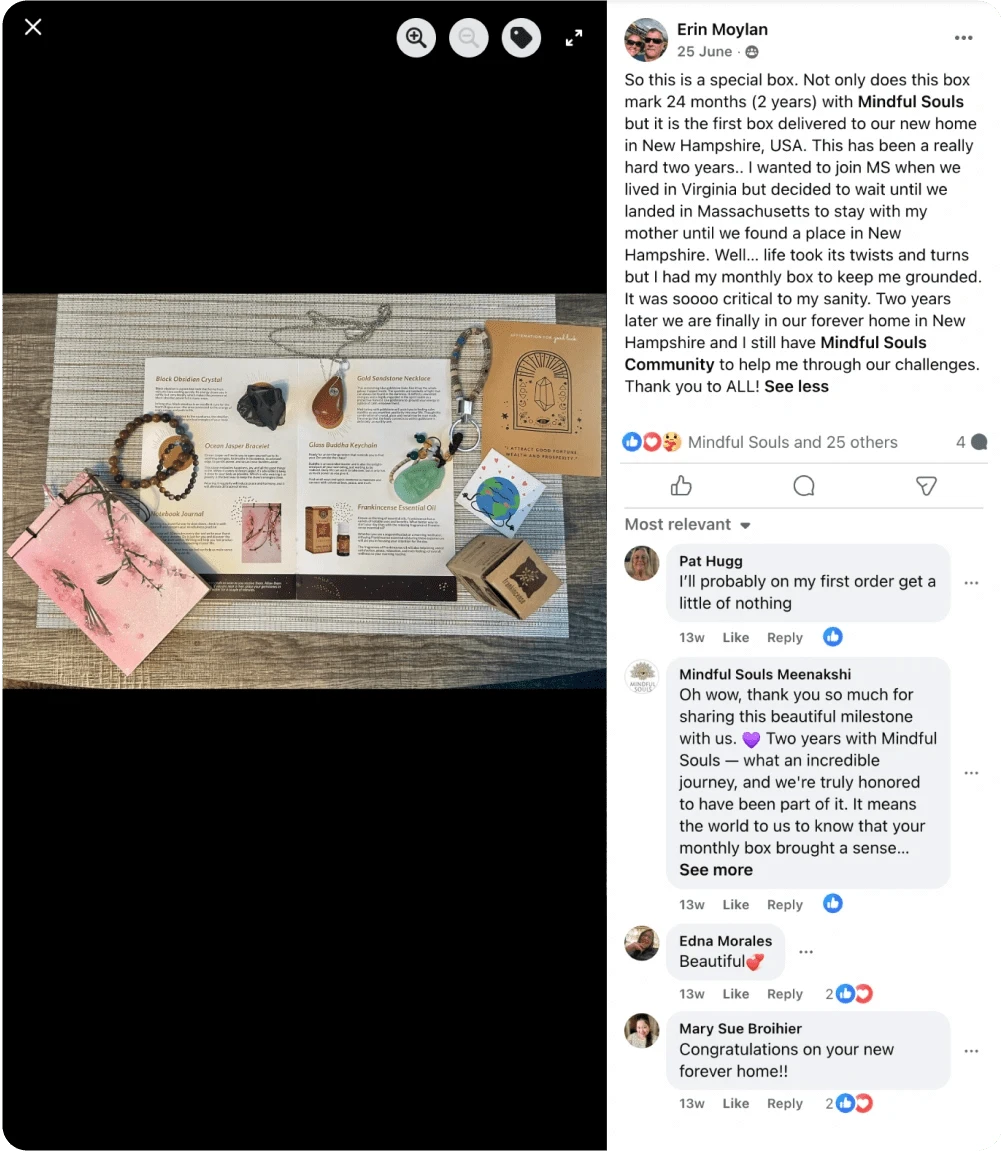
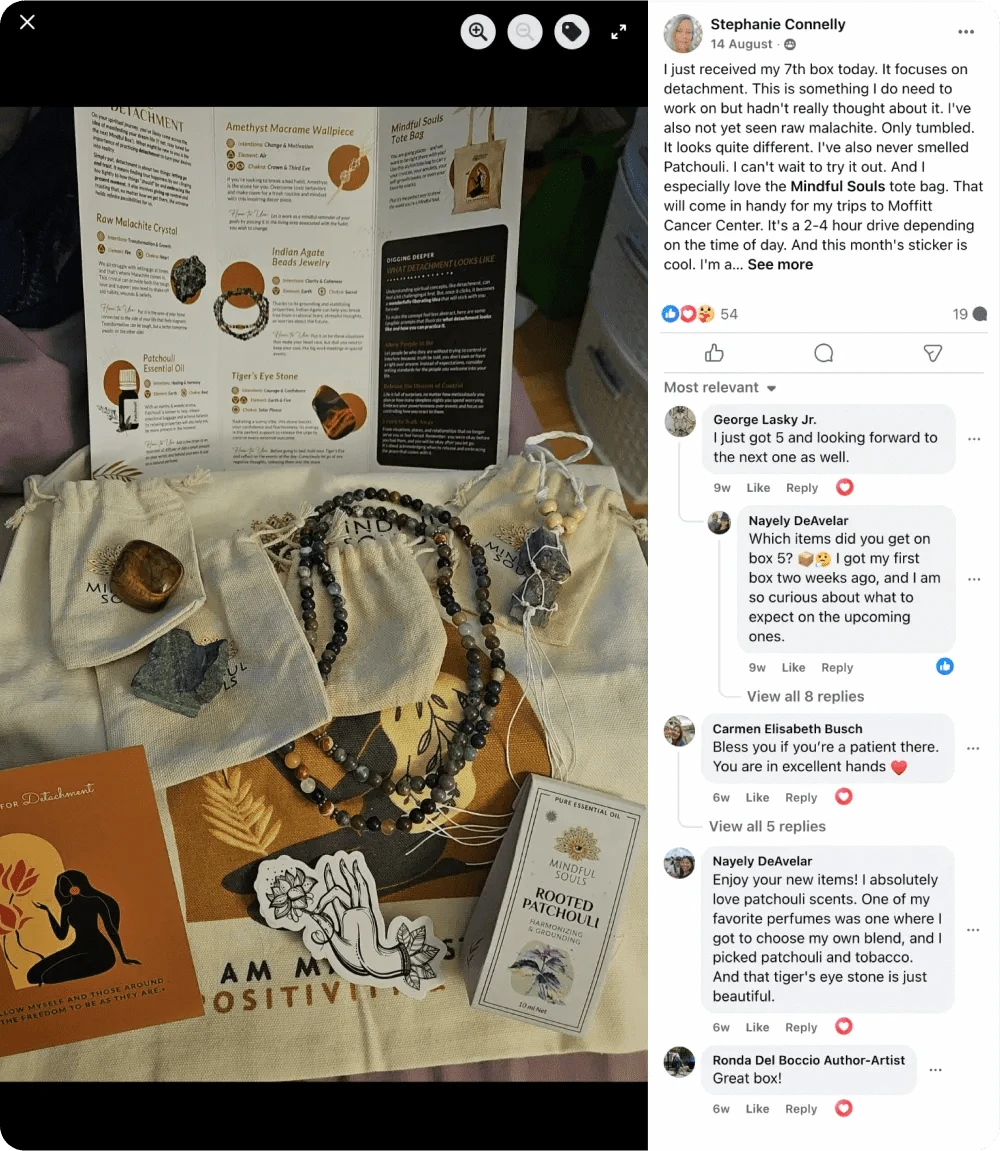
- Hear It From Our Mindful Souls Fam
- Explore Authentic Celestite at Mindful Souls
- Celestite and Sleep: Your Bedside Calm Companion
- Celestite Around the Home: A Quick Room Guide
- Celestite vs Other Blue Crystals
- Did You Know? The World's Largest Geode Is Basically a Celestite Cave
- What Zodiac Sign Is Celestite Best For?
- How to Care for Celestite (and Why It Hates Water)
- Celestite at a Glance
- Your 3-Day Celestite Starter Ritual
- About Mindful Souls
What Is Celestite? The Stone That Looks Like a Piece of Sky
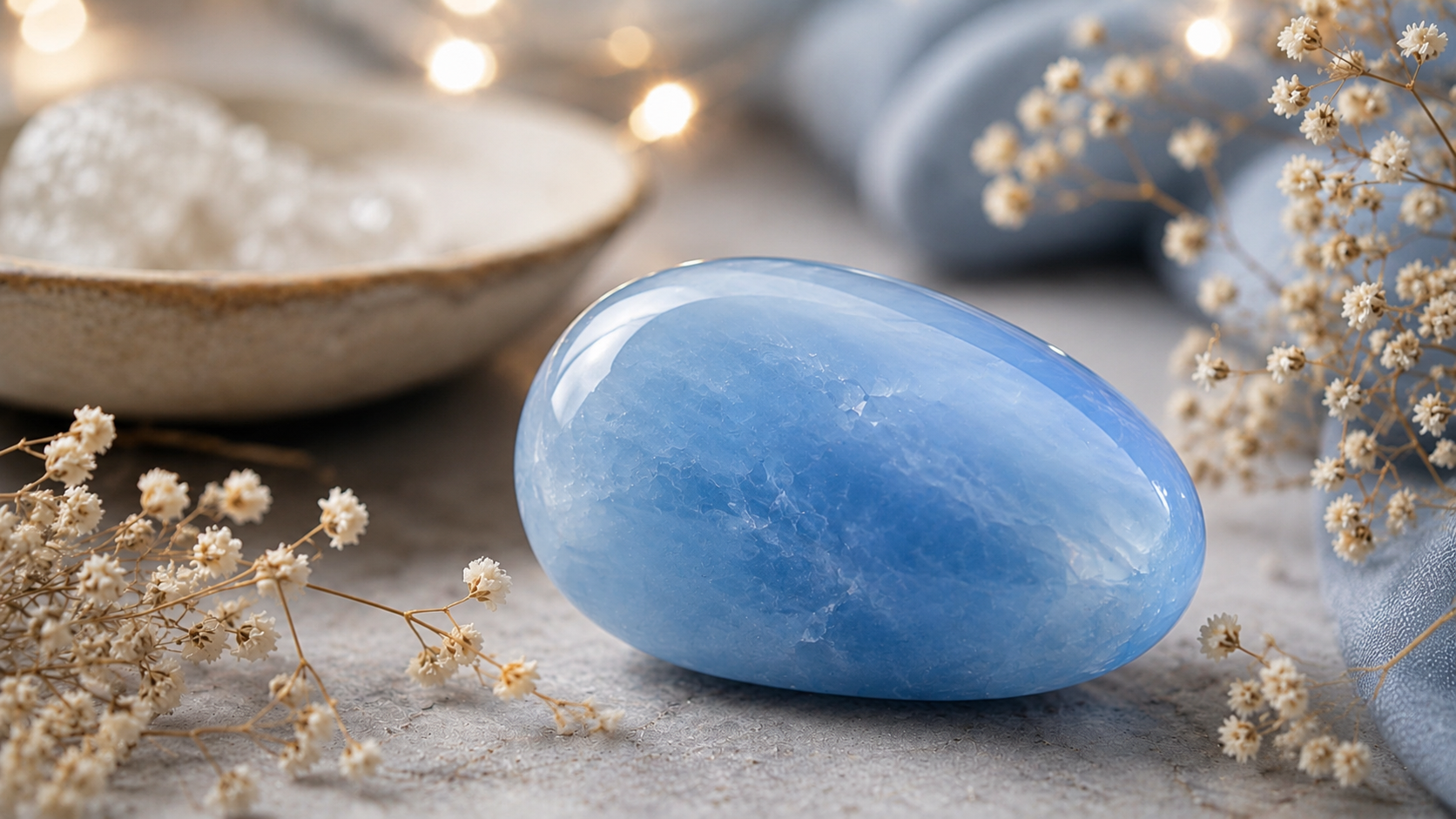
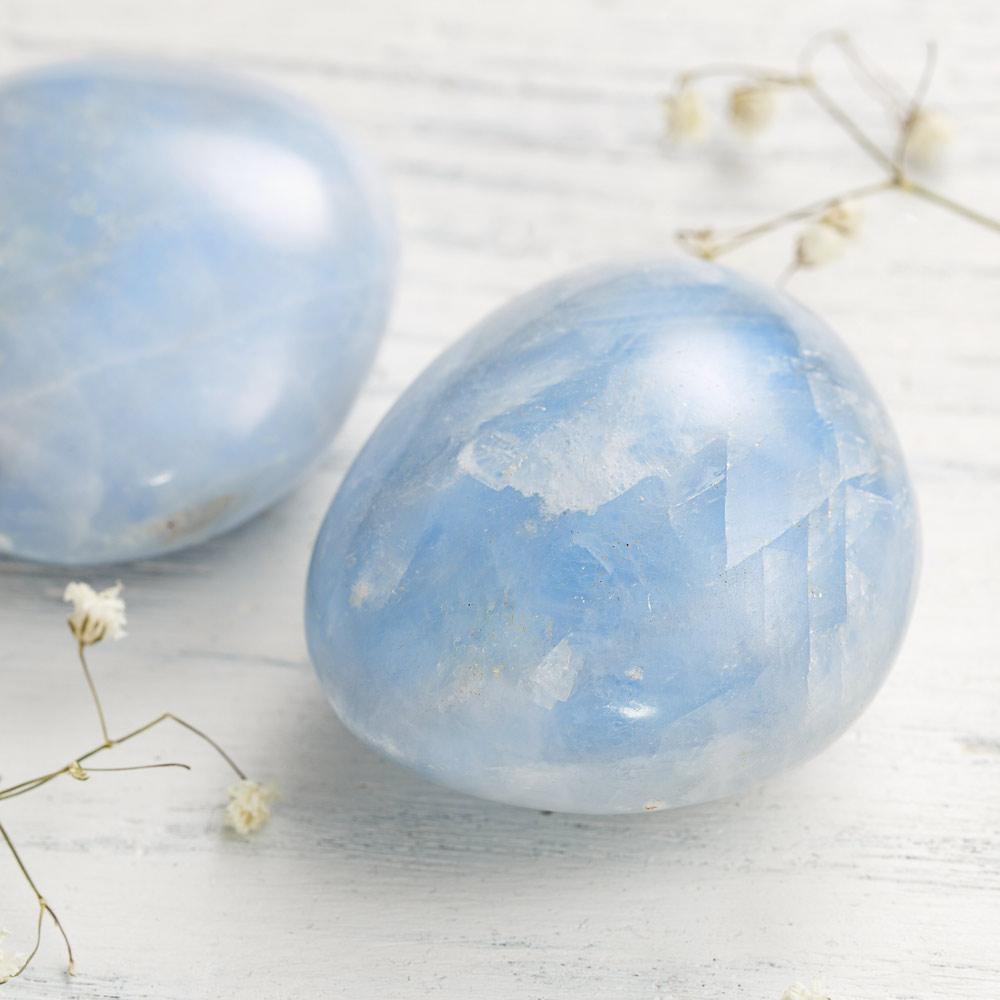
Celestite is a strontium sulfate mineral with a color so soft it looks like someone bottled a clear morning sky. The name comes from the Latin word caelestis, meaning "heavenly" or "celestial," which honestly could not be more fitting.
Most of the world's beautiful, blue Celestite clusters come from Madagascar, where the conditions are just right for those gemmy, sparkling crystals to form inside geodes. You'll also find Celestite in the United States, Egypt, Poland, Mexico, and the UK.
Here's the geeky-but-cool part: that calming blue is created by tiny traces of elements inside the crystal structure, and the stone itself is built around strontium, the same element that gives red fireworks their color. So yes, your peaceful little crystal is chemically related to a Fourth of July finale!

Quick crystal facts:
- Mineral: Celestine (strontium sulfate)
- Origin: Madagascar (the best blue clusters), plus the USA, Egypt, and more
- Mohs hardness: 3 to 3.5 (very soft, handle with care)
- Color range: Pale sky blue, white-blue, sometimes faint gold or grey
- Chakras: Throat, Third Eye, and Crown
Because Celestite sits so low on the Mohs hardness scale, it's delicate. It scratches easily, fades in strong sun, and really does not like water (more on that later). Think of it as the crystal version of a soft cashmere sweater: beautiful, comforting, and happiest when treated gently. You can read more about its mineralogy on Mindat or Wikipedia's Celestine entry.
Why Is Celestite Called 'The Angel Stone'?
Out of every nickname in the crystal world, angel stone crystal might be the most charming, and Celestite wears it proudly.
The connection comes from its high, airy energy. Celestite is traditionally believed to help you feel connected to something bigger and gentler than the daily grind, whether you call that your guardian angels, your higher self, or simply a deep sense of peace.
Celestite is known for its soothing energy. Many people feel calmer and more relaxed when working with it, which is why it's associated with angelic connection.
Mini-takeaway: If you're drawn to crystals that feel calming rather than energizing, Celestite is one of the gentlest stones you can keep close.
Celestite vs Celestine: Is There a Difference?
Short answer: nope, they're the same mineral. You're not missing anything.
Here's the Celestite and Celestine difference in simple terms. Celestine is the official name used by geologists and mineral databases. Celestite is the everyday name you'll see most often in the crystal and wellness world.
So if you spot a "Natural Blue Celestine Crystal" and a "Celestite cluster" side by side, you're looking at the same heavenly stone with two different name tags. Use whichever feels right. Both are correct.

Celestite Healing Properties and Benefits
Now for the good stuff! Celestite is one of the most beloved calming crystals out there, and its reputation centers on peace, clarity, and gentle emotional support.
Celestite Chakra Connection
Celestite mainly works with the Throat Chakra, the energy center tied to honest communication and self-expression. It also opens up to the Third Eye and Crown Chakras, which are linked to intuition and spiritual awareness. Together, that trio is why Celestite feels so connected to clear thinking and inner calm. (New to chakras? Start with our guide to what chakras are.)
What Celestite Is Traditionally Believed to Support
These are the Celestite metaphysical properties people reach for most:
- Deep calm: Celestite is widely loved as a soothing stone, traditionally used to ease everyday stress and a busy mind.
- Restful sleep: It's a favorite bedside crystal, believed to invite peaceful, undisturbed sleep.
- Clear communication: By working with the Throat Chakra, Celestite is believed to help you express yourself with ease, even when words feel hard.
- Spiritual connection: Often used in meditation, it's believed to deepen intuition and that sense of angelic guidance.
- Emotional relief: Its gentle energy is traditionally used to soften worry and bring a feeling of lightness.
Heads up: Crystals are wonderful companions for your wellness routine, but they're not a substitute for professional medical or mental health care.
Hear It From Our Mindful Souls Fam
Don't just take our word for it, here's what our community is saying about their Celestite pieces!
On the Sky Blue Madagascar Celestite Crystal:
"This little cluster is the calmest thing I own. The blue is even prettier in person, and I swear my whole bedroom feels softer with it on the nightstand. Falling asleep has been so much easier." — Sophie L. ⭐⭐⭐⭐⭐
On the Natural Blue Celestine Crystal:
"I keep it on my desk and reach for it whenever work gets overwhelming. One look, one deep breath, and everything feels a bit more manageable. It's become my little reset button." — Maya R. ⭐⭐⭐⭐⭐
On the Blue Celestite Crystal Lamp:
"The glow is absolutely dreamy. I turn it on every night while I wind down, and it instantly makes the room feel peaceful and cozy. Easily my favorite corner of the house now." — Daniela M. ⭐⭐⭐⭐⭐
Explore Authentic Celestite at Mindful Souls
Every Celestite piece at Mindful Souls is 100% natural, ethically sourced, and lab-certified for authenticity. Here are some heavenly picks to start with:

-
Natural Blue Celestine Crystal
Our signature Celestite piece, glowing with soft sky-blue crystals straight from the earth. Loved as a stone of peace and inner strength, it's the perfect calming centerpiece for a meditation nook, nightstand, or work desk. A beautiful, beginner-friendly introduction to the gentle energy this stone is famous for.
SHOP NOW -
Sky Blue Madagascar Celestite Crystal
Straight from Madagascar, the world's home of the finest blue Celestite, this raw stone is pure heavenly calm in your hands. Available in several sizes, it works beautifully as serene decor or a spiritual tool for meditation. A multi-purpose favorite that reminds you the sky's the limit!
SHOP NOW

Celestite and Sleep: Your Bedside Calm Companion
If there's one thing Celestite is famous for in the crystal community, it's bedtime. Its airy, quieting energy makes it a go-to for anyone whose brain refuses to clock out at night. Pair it with other crystals for deep sleep for an even cozier nightstand.
Placing Celestite in the bedroom is the classic move. Many people keep a small cluster on the nightstand, far enough not to roll into the bed (remember, it's fragile and scratches easily).
Celestite is also a favorite for dream work. It's traditionally believed to encourage vivid, peaceful dreams and even support lucid dreaming for those who like to explore that. Keep it nearby, set a gentle intention before you sleep, and see what unfolds.
Mini-takeaway: For the calmest results, pair your Celestite with a screen-free wind-down routine. The stone sets the mood, but your habits do the heavy lifting.
Celestite Around the Home: A Quick Room Guide
One of the easiest Celestite crystal uses is simply placing it where you need more calm.
Here's a fun little cheat sheet:
- Bedroom: On the nightstand for peaceful sleep and softer mornings.
- Living room: A geode in a shared space to keep the overall vibe relaxed.
- Workspace: A small cluster near your desk to take the edge off busy days.
- Meditation corner: Front and center, as a focal point for breathwork or prayer.
No complicated ritual required. Celestite does its quiet thing just by being there.
Celestite vs Other Blue Crystals
Wondering how Celestite stacks up against other dreamy blue stones? Here's a clear breakdown:
| Category | Celestite | Angelite | Blue Lace Agate | Aquamarine |
|---|---|---|---|---|
| Mineral | Strontium sulfate | Calcium sulfate | Chalcedony | Beryl |
| Color | Soft sky blue | Pale powder blue | Banded light blue | Clear pale blue |
| Mohs hardness | 3 to 3.5 | 3.5 | 6.5 to 7 | 7.5 to 8 |
| Main origin | Madagascar | Peru | Brazil, India | Brazil, Pakistan |
| Chakra | Throat, Third Eye, Crown | Throat | Throat | Throat, Heart |
| Best for | Calm, sleep, angelic connection | Peace, gentle communication | Soothing anxiety, soft speech | Courage, emotional flow |
The bottom line: If you want the softest, most "floating on a cloud" energy of the bunch, Celestite stands out. Just know it's also the most delicate, so it asks for a little extra TLC! Curious about its cousin? Read our full guide to Aquamarine meaning and properties.

Did You Know? The World's Largest Geode Is Basically a Celestite Cave
The world's largest known geode sits 40 feet underground in Put-in-Bay, Ohio, and its walls are completely lined with Celestite. Some of those crystals are up to three feet wide!
It was discovered by accident in 1897 when winery workers were digging a well and broke straight into a glittering blue cavern. Early on, the crystals were actually mined to make fireworks, thanks to that strontium content. So a stone known for total serenity has a surprisingly explosive side.
What Zodiac Sign Is Celestite Best For?
While anyone can enjoy Celestite, a few Celestite zodiac sign matches feel especially natural:
- Gemini: Celestite supports clear thinking and calm communication, helping busy-minded Geminis slow down and speak from the heart.
- Libra: Its peaceful energy suits harmony-loving Libra, easing the pressure to please everyone.
- Pisces: Dreamy and intuitive, Pisces tends to feel right at home with Celestite's gentle, spiritual vibe.
If you're one of these signs and you feel pulled toward this stone, take that as a little cosmic nudge! You can also match more stones to your sign in our crystal zodiac guide.
How to Care for Celestite (and Why It Hates Water)
Time for the most important rule: keep your Celestite away from water.
At just 3 to 3.5 on the Mohs scale, Celestite is soft and water-sensitive. Soaking it can dull its surface, weaken the structure, and even cause it to deteriorate over time. So no water baths, no rinsing, no leaving it out in the rain.
What to avoid:
- Water, including cleansing soaks and humidity
- Direct sunlight for long stretches (the blue can fade)
- Drops, knocks, and rough handling
- Storing it loose with harder crystals that could scratch it
How to cleanse it safely instead (see our full crystal cleansing guide):
- Moonlight on a windowsill overnight
- A few minutes near a Selenite plate or charging bowl
- Gentle sound, like a singing bowl or soft chimes
- A light pass of smoke from sage or palo santo
How to store it:
- Wrap it in a soft cloth or keep it in a padded box
- Display it somewhere it won't get bumped or rolled
Celestite at a Glance
A few highlights worth remembering about this heavenly stone:
- A soft blue strontium sulfate, with the best clusters from Madagascar
- Known as The Angel Stone for its calming, spiritual energy
- Loves the Throat Chakra, hates water, and adores your nightstand
Your 3-Day Celestite Starter Ritual
New to the stone and not sure where to begin? Try this gentle, no-pressure mini ritual to build a connection:
- Day 1, Meet it — Hold your Celestite, take three slow breaths, and just notice how it feels. No goals, no rush.
- Day 2, Place it — Move it to your nightstand and set a simple intention before bed, like "I rest easy tonight."
- Day 3, Reflect — In the morning, jot down how you slept or felt. Small shifts count.
That's it. Celestite rewards consistency over complication, so keep it somewhere you'll actually see it.
About Mindful Souls
Mindful Souls started in 2018 with a simple idea: to make crystals and spiritual practices feel more accessible in everyday life. Today, we're a community of over 180,000 people exploring these tools in a practical, personal way.
We carefully source all of our crystals directly from ethical suppliers around the world, ensuring they are 100% natural. Each one is also tested and third-party lab certified for authenticity and quality, so you always know what you're working with. If you're curious about how it all started, you can read more on our story page.

















 Mindful Points
 Wishlist
 Contact Us


 60 Seconds
 5 Questions


