FAQ
What is the summer solstice?
The summer solstice is the astronomical event that marks the longest day and shortest night of the year in the Northern Hemisphere. It occurs when the sun reaches its highest point in the sky and has been celebrated by many cultures as a symbol of light, growth, and seasonal change.
What is the spiritual meaning of the summer solstice?
For many people, the summer solstice represents abundance, personal growth, vitality, and new opportunities. It is often viewed as a time to reflect on accomplishments, set intentions, express gratitude, and embrace the energy of the season.
What are some summer solstice rituals to try?
Popular summer solstice practices include spending time outdoors, meditating at sunrise or sunset, creating a nature-inspired altar, journaling intentions, practicing gratitude, or enjoying mindful moments in the sunlight. The best ritual is one that feels meaningful and personal to you.
What crystals are best for the summer solstice?
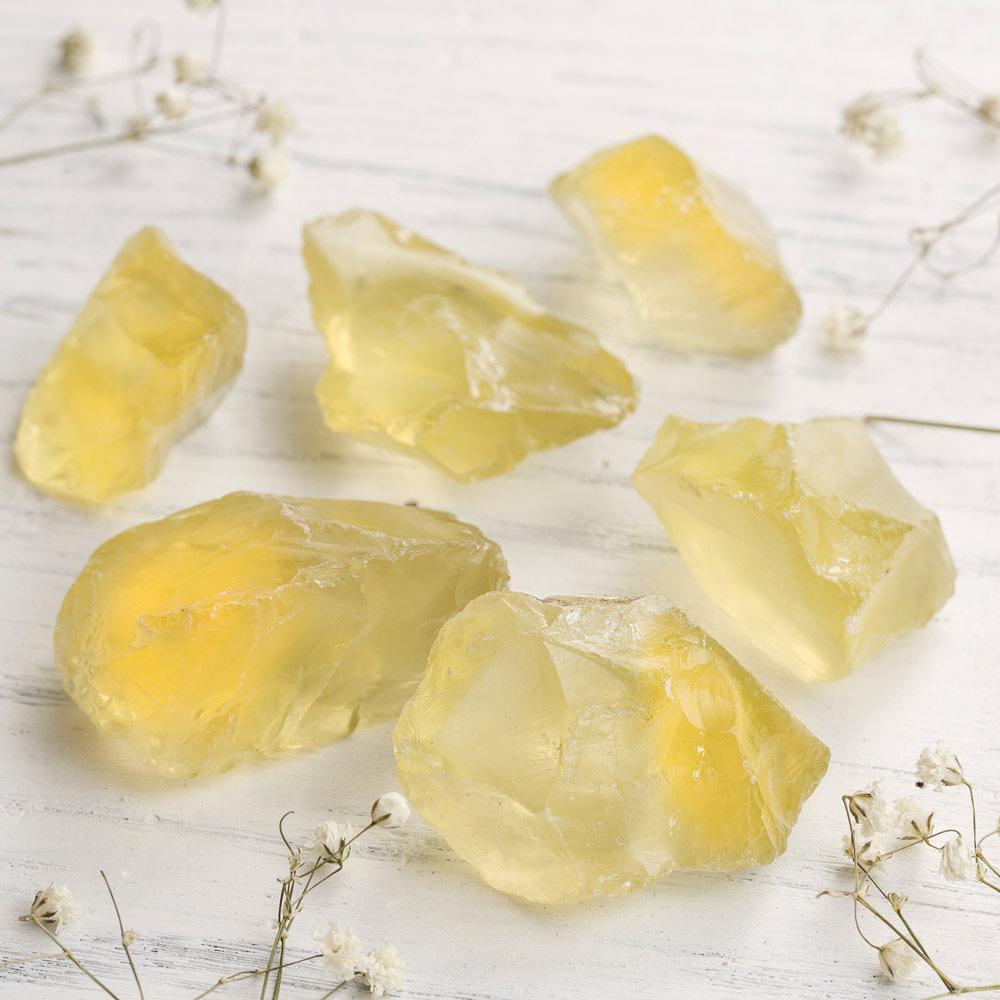
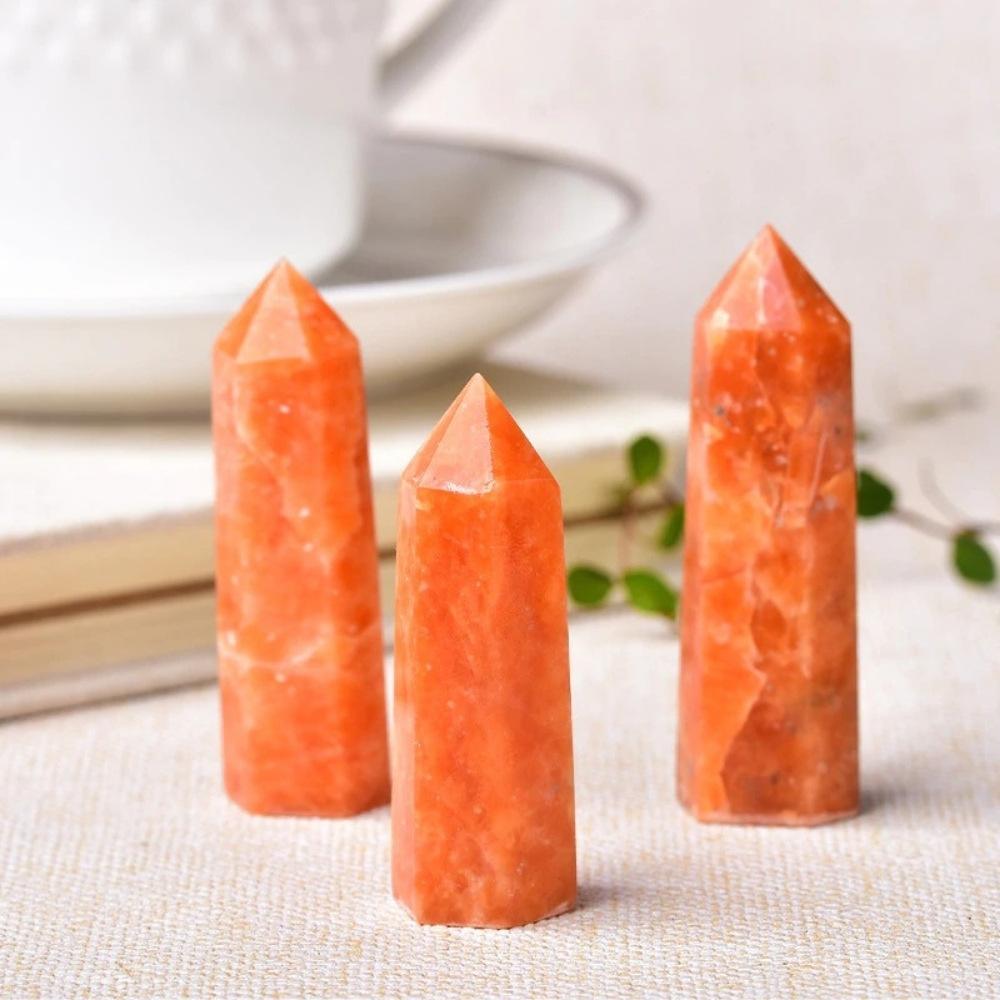
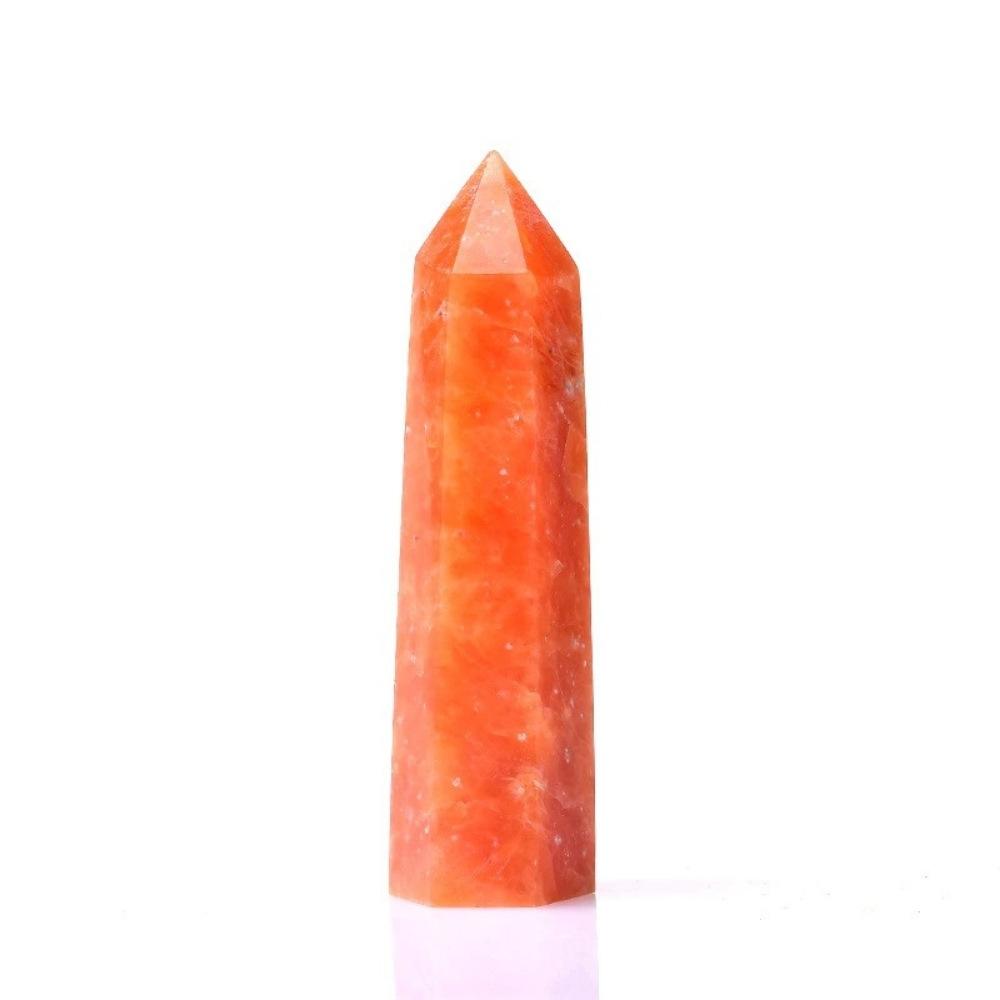
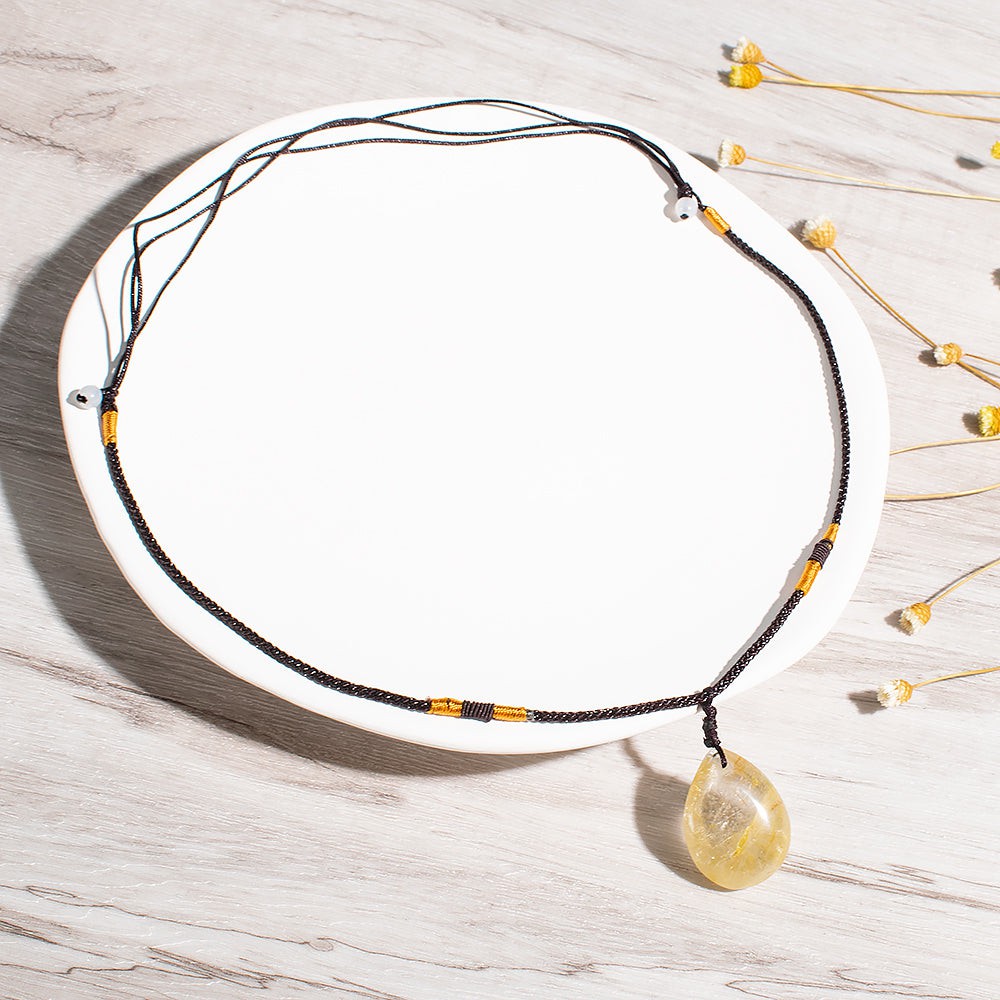
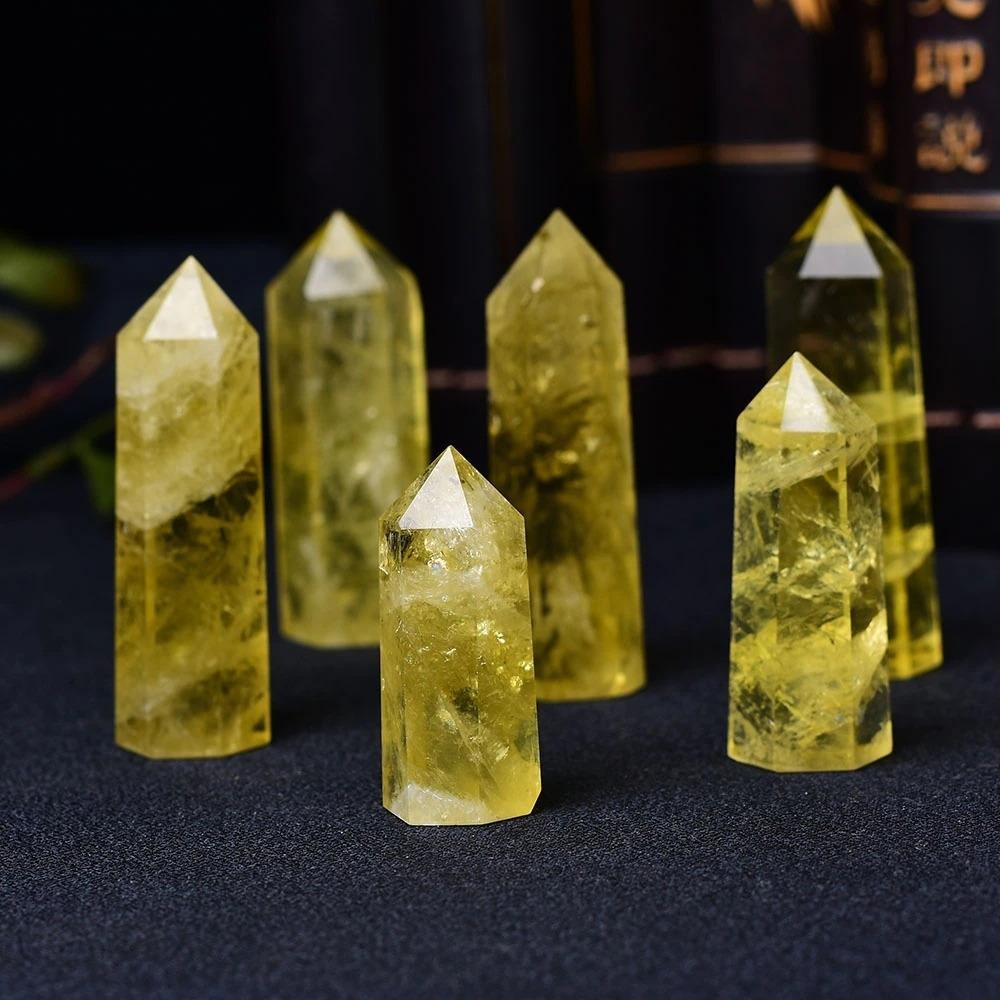
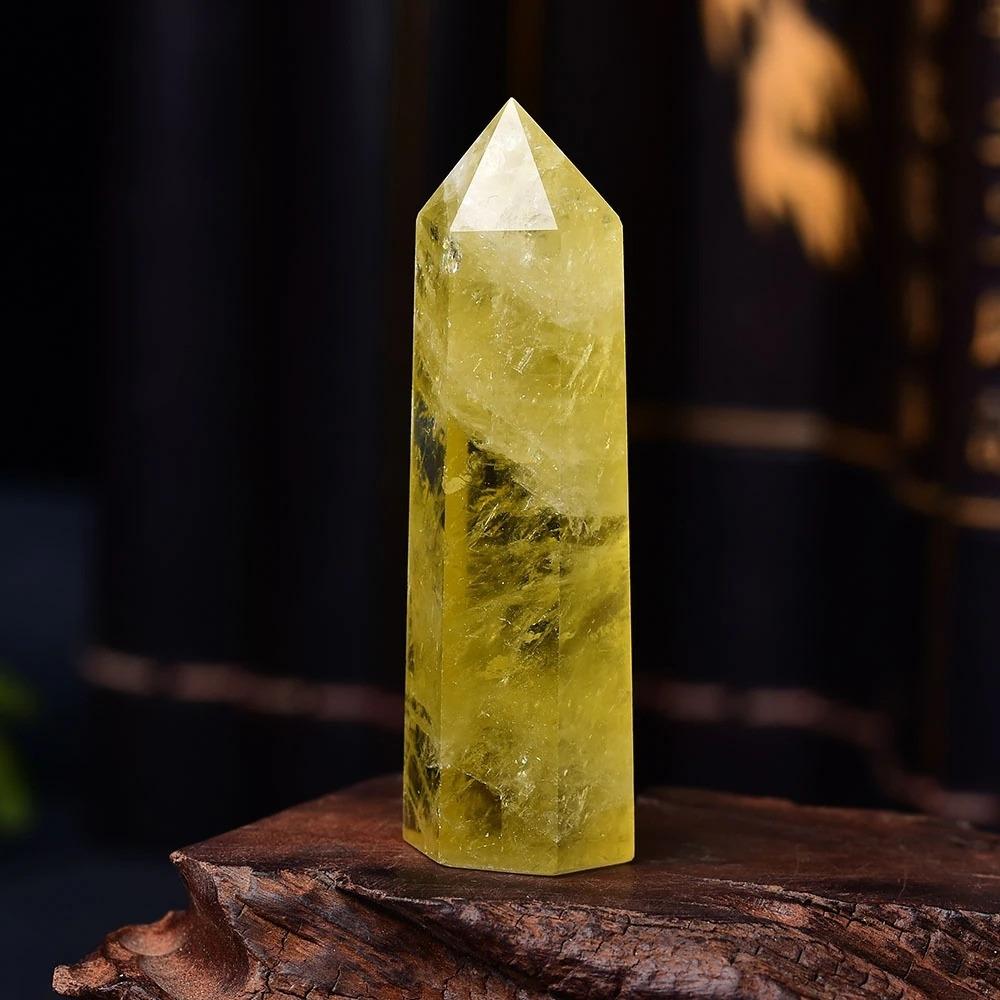
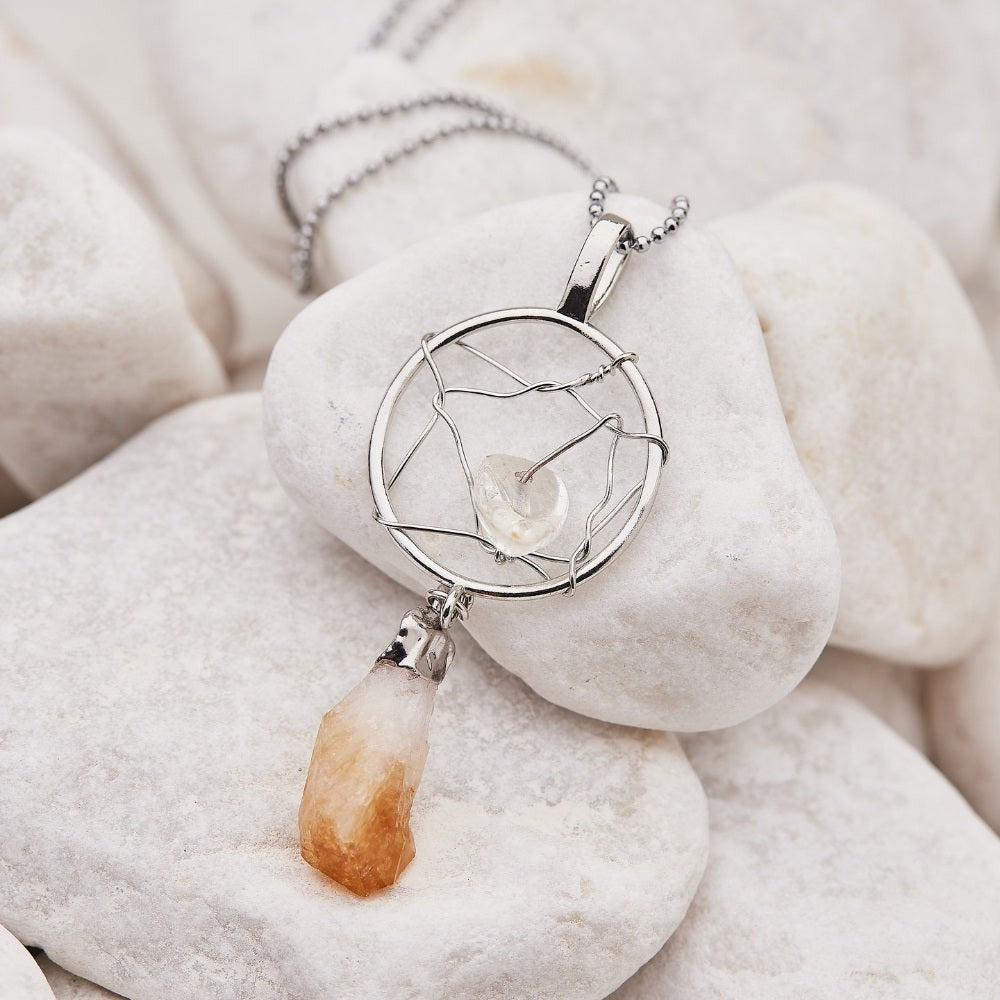
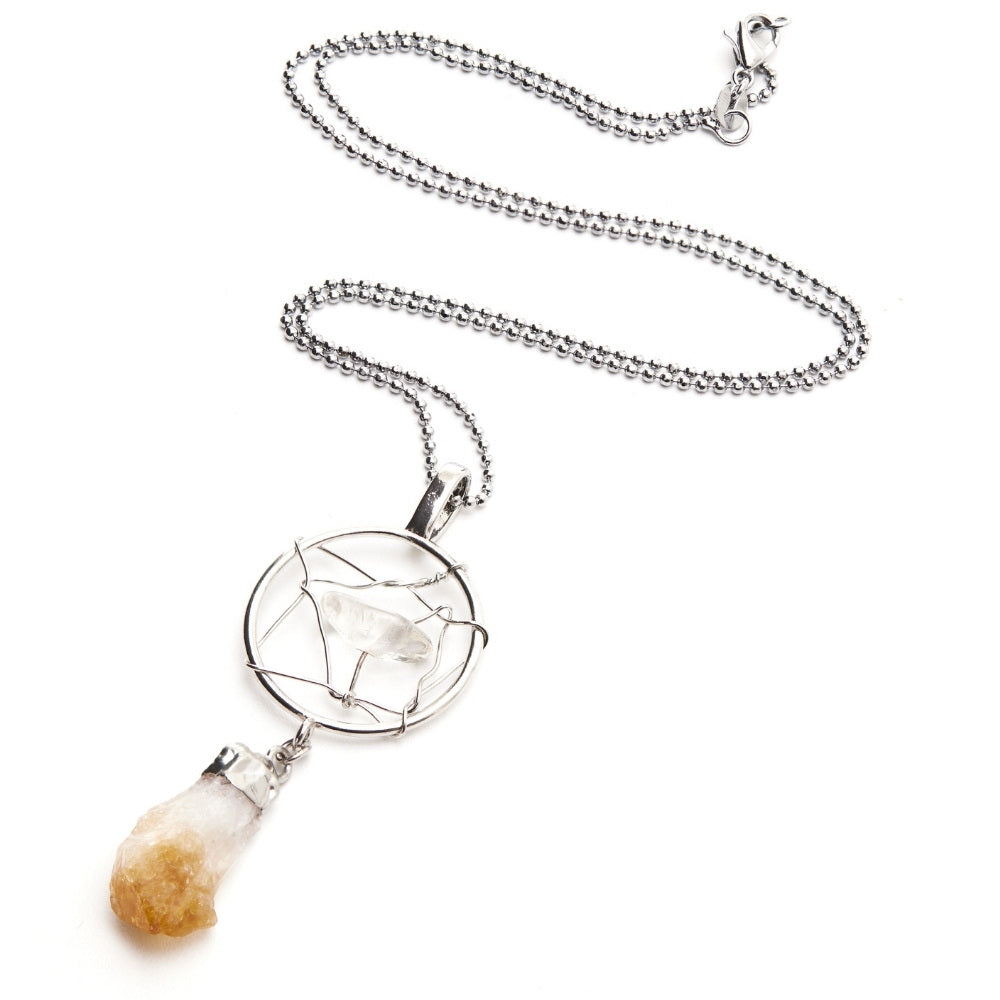
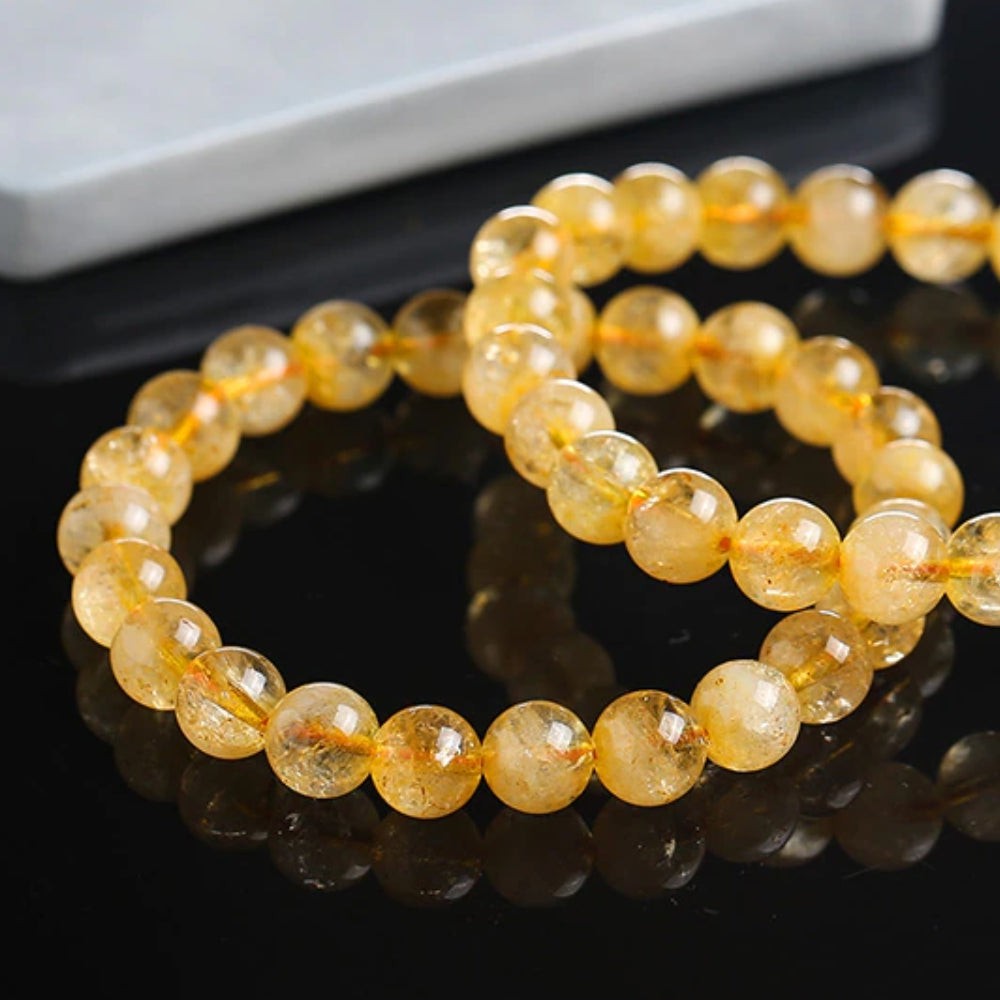
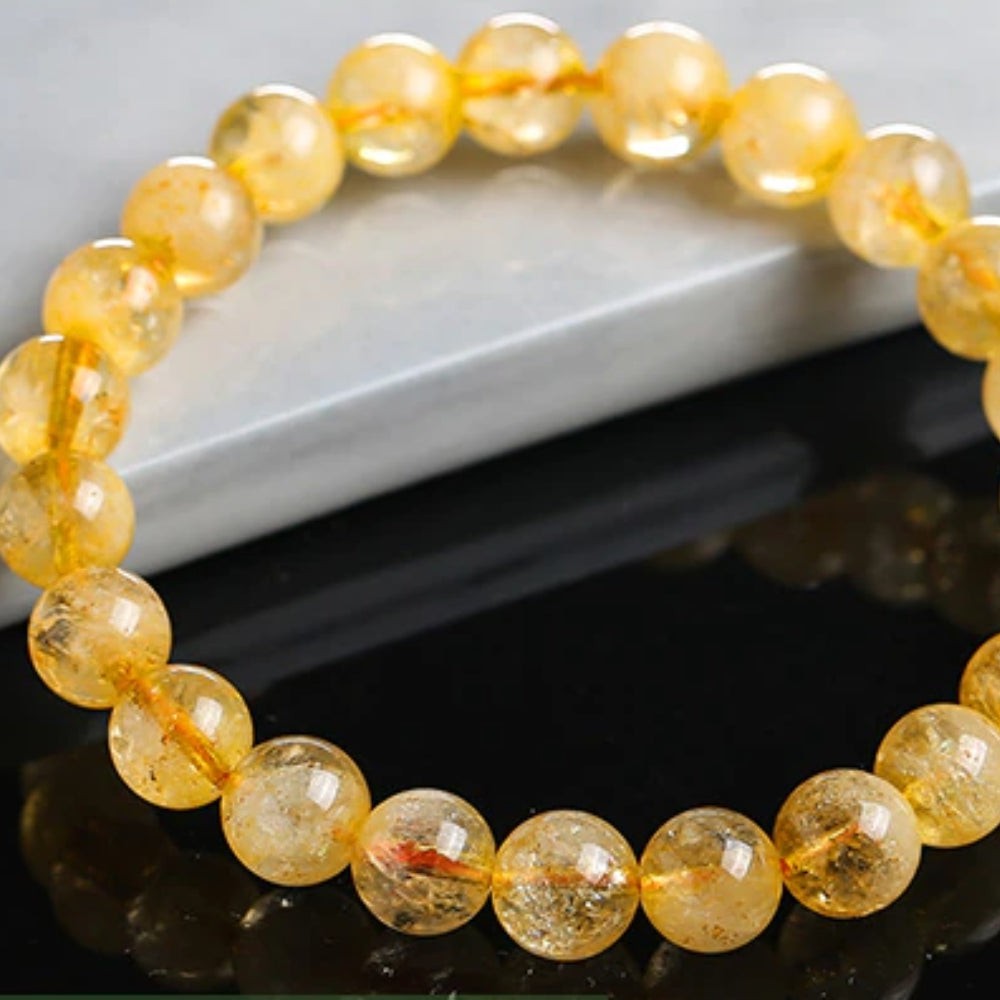
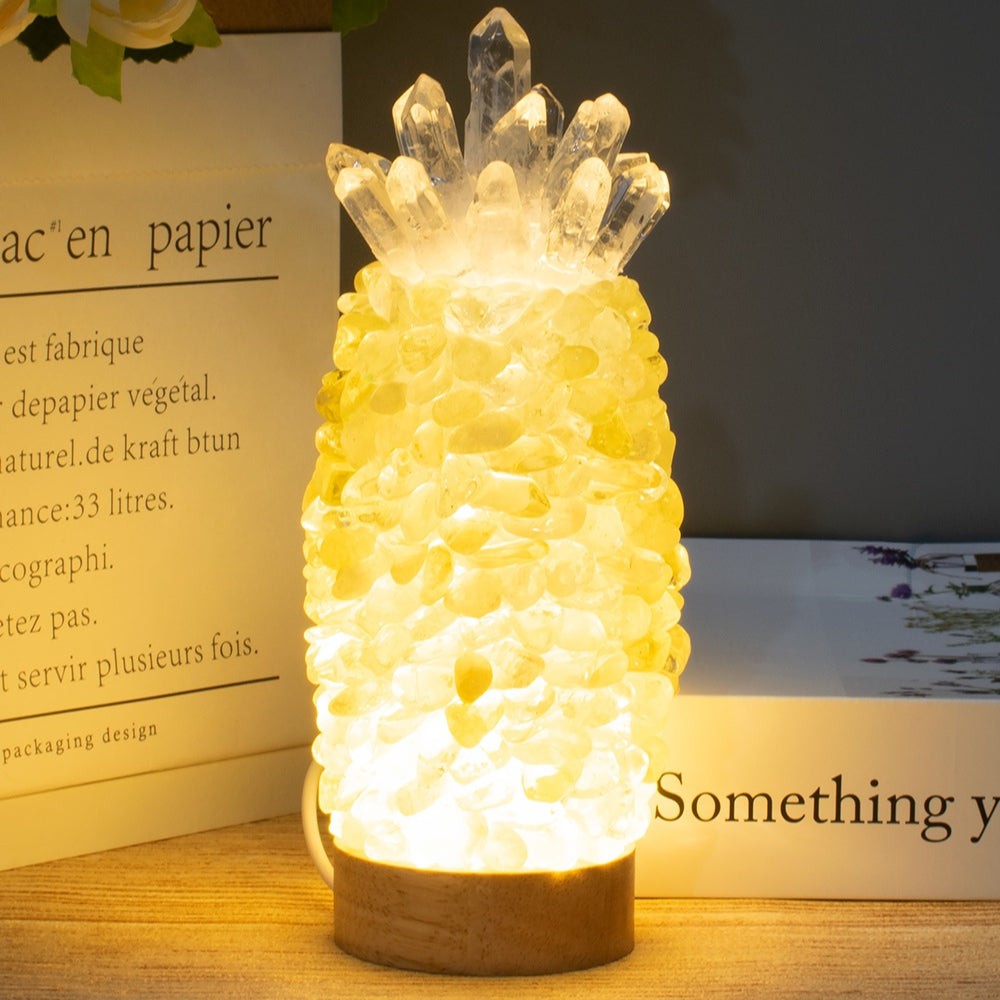
Many crystal enthusiasts associate Citrine and Sunstone with the summer solstice because of their traditional symbolism of joy, confidence, positivity, and abundance. Other bright or uplifting stones may also be chosen based on personal preference and intention.
How can I celebrate the summer solstice at home?
You can celebrate by enjoying time in nature, practicing meditation, creating a seasonal centerpiece or altar, writing down your goals, or simply appreciating the extra daylight. Even a quiet moment of reflection can make the occasion meaningful.
When is the summer solstice?
In the Northern Hemisphere, the summer solstice typically occurs on June 20 or June 21 each year. In the Southern Hemisphere, the equivalent event takes place around December 21 or 22.
Is the summer solstice the longest day of the year?
Yes. The summer solstice brings the greatest number of daylight hours of the year in its respective hemisphere, making it the longest day and the shortest night.
What is Litha?
Litha is the traditional Pagan and Wiccan name for the summer solstice festival. It is celebrated as part of the Wheel of the Year and is associated with the sun at its peak, seasonal abundance, and the height of summer.
Can you charge crystals in the sun on the solstice?
Many people choose to place crystals in sunlight during the solstice as part of their spiritual practices. However, some stones—including Amethyst, Rose Quartz, Fluorite, and certain varieties of Citrine—may fade with prolonged sun exposure, so indirect light or shorter exposure times are recommended.
What is Citrine good for?
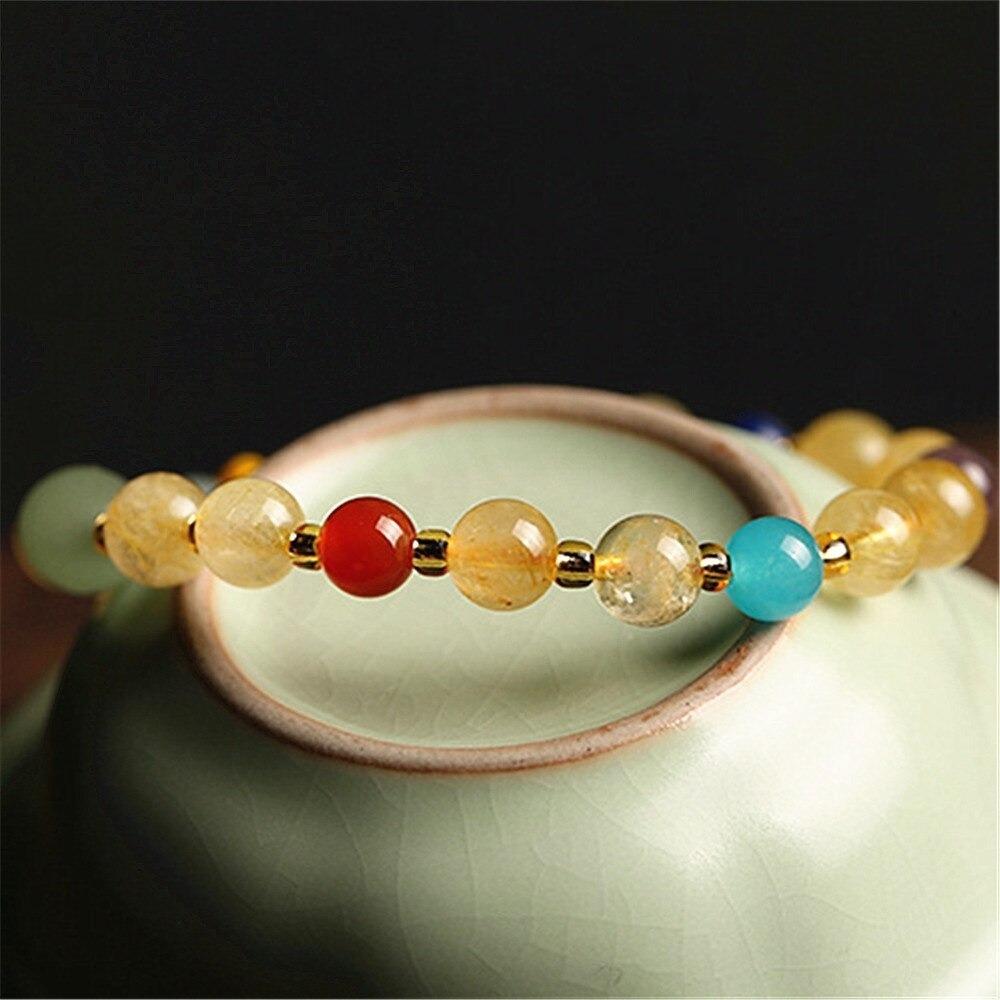
Citrine is traditionally associated with optimism, confidence, creativity, motivation, and prosperity. Its warm golden color has made it a popular symbol of abundance and positive energy in crystal traditions.
What is Sunstone good for?
Sunstone is commonly linked with vitality, joy, leadership, and personal empowerment. Many people use it as a symbolic reminder to embrace confidence, optimism, and new opportunities while cultivating a positive outlook.


 Best Seller








 Sale
Sale

 Sale
Sale