Your cart is currently empty...
but it doesn't have to be!
We Think You'll Love This


In This Article:
- Autumn Equinox 2026: Date, Meaning, and How to Mark It
- So When Does Fall Actually Start? There Are Two Answers
- A small caveat: day and night aren't exactly equal
- The Deeper Meaning Behind the Autumn Equinox
- What that can mean for you:
- The Equinox Across Cultures and Centuries
- Mindful Ways to Celebrate Today
- We’re Shifting Together
- Conclusion
Autumn Equinox 2026: Date, Meaning, and How to Mark It
What it symbolizes, how it's celebrated, and why it might be the reset you didn't know you needed.
When is the autumn equinox 2026?
Sunday, September 22, 2026 at 8:06 PM EDT — that's 7:06 PM CDT, 6:06 PM MDT, and 5:06 PM PDT. In UTC it lands just after midnight, at 00:06 on September 23.
That exact moment is the astronomical first day of fall in the Northern Hemisphere, and the first day of spring in the Southern. It's also the moment the Sun moves into Libra.
You can feel it before you even look at a calendar. The mornings carry that sharp, wood-smoke edge. The sun dips a little lower, and suddenly your iced coffee doesn’t taste quite right.
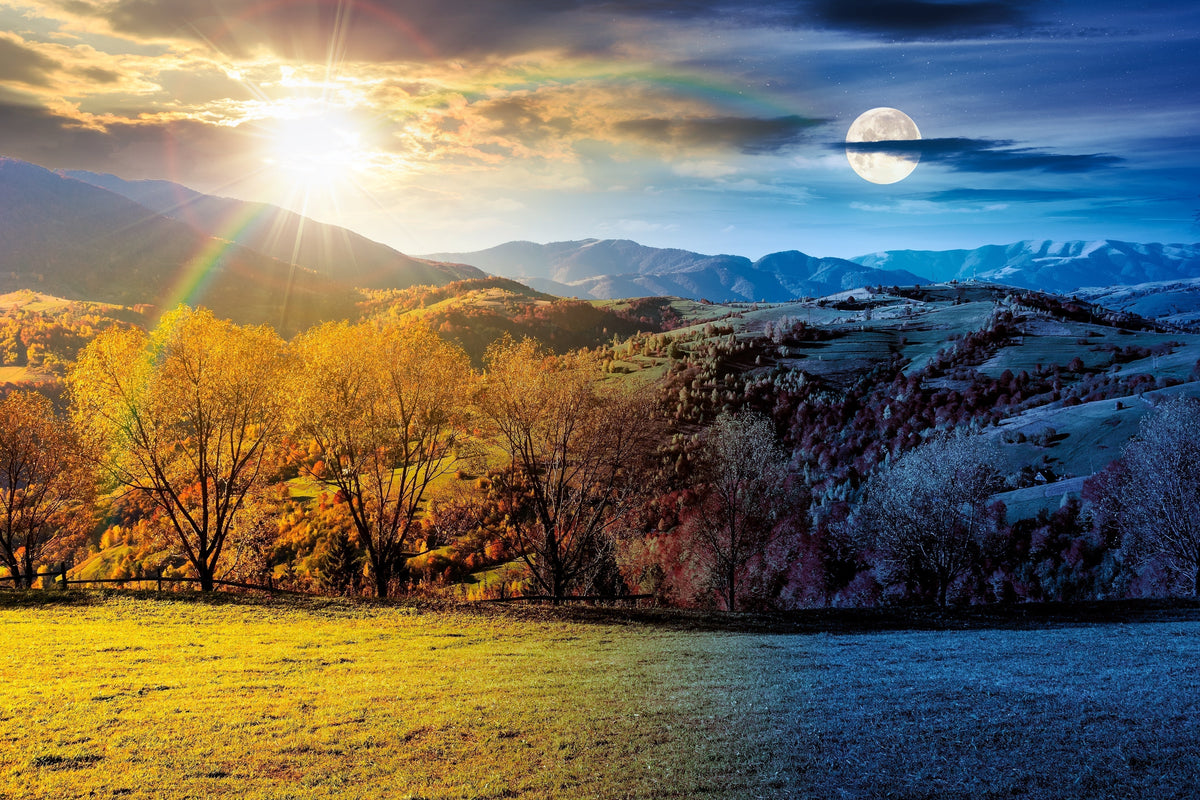
On September 22, 2025, we reach the Autumn Equinox: the brief moment when day and night stand shoulder to shoulder before the nights start winning.
It’s a small pause in the year that feels bigger than the science behind it. Summer’s rush is over. The world takes a breath. And if you let it, you can too.
Maybe that means swapping sandals for boots, maybe it’s just a quiet walk after dinner. Either way, this is nature’s gentle reminder to slow down and settle into the season that’s all about balance and change.

But What’s Actually Happening Up There?
So what’s behind this perfectly timed shift? It’s not magic, though it feels like it.
Twice a year, the tilt of the Earth aligns in such a way that the sun sits directly above the equator. This creates a near-perfect balance between daylight and darkness, no matter where you are in the world.
In the Northern Hemisphere, the September equinox marks the beginning of autumn—a shift toward longer nights, cooler air, and slower rhythms. But in the Southern Hemisphere, this very same moment signals the start of spring, with lengthening days, rising energy, and nature moving into bloom.
It’s a shared point on the calendar, but what it brings depends entirely on where you’re standing.
Here in the north, you’ll likely notice the change in small ways: the angle of the sun, the cooler evenings, the way light moves through your home just a little differently. It’s subtle, but it signals something bigger…
So When Does Fall Actually Start? There Are Two Answers
This trips people up every year, and both answers are correct they just come from different fields.
Astronomical autumn begins at the equinox itself: September 22, 2026, at 8:06 PM EDT. It's tied to the Earth's tilt, so the date shifts slightly year to year, usually landing between September 21 and 24.
Meteorological autumn began three weeks earlier, on September 1. Meteorologists split the year into four tidy three-month blocks so they can compare seasonal data cleanly. Autumn is September, October, and November no drifting dates, no awkward fractions.
So if your weather app declared fall at the start of the month and your calendar disagrees, neither is wrong. One is following the sky; the other is following the spreadsheet.
A small caveat: day and night aren't exactly equal
"Equinox" comes from the Latin for equal night, but the day itself runs a few minutes long. Two things get in the way.
First, sunrise and sunset are measured from the Sun's upper edge touching the horizon, not its center so the Sun is technically "up" a little before and after it's level with us. Second, the atmosphere bends light, which lifts the Sun's image above the horizon slightly before it's really there and holds it there slightly after it's gone.
The genuinely equal day, called the equilux, arrives a few days after the September equinox for most Northern Hemisphere locations. The exact date depends on your latitude.
None of this changes what the moment means. It's just a nice reminder that "perfect balance" is more of a direction than a destination which, honestly, suits the season.
The Deeper Meaning Behind the Autumn Equinox
The equinox isn’t just a clever bit of astronomy. Across cultures and centuries, people have treated this turning point as a quiet marker in the year: a natural pause between the outward buzz of summer and the inward pull of winter. It’s less about what the sky is doing now and more about what the shift stirs in us.
Here are a few themes that keep showing up, no matter the culture or century:
Balance
For one day the light and dark call it even. That rare tie is a reminder to check your own footing: are you working and resting in equal measure? Do your relationships feel like a two-way street? Just remember, balance doesn’t have to mean perfect symmetry.
Gratitude
This is also the season of harvest and gratitude. Farmers once marked this as the time to bring in the last crops, and even if your “fields” are emails and projects, there’s probably something you’ve been tending all year that’s ready to be celebrated. Pause and notice what you’ve grown: skills, friendships, tiny victories that slipped by while you were busy.
Release
And then comes the gentle release. After the equinox, nights grow longer, leaves fall, gardens quiet down. Nature shows us how to let go with grace. Maybe that means clearing a closet, or finally stepping away from a habit or plan that’s past its season.
The Astrological Side of the Equinox
The equinox doesn’t just balance day and night; it kicks off Libra season, when the Sun moves into the sign of the scales. Libra energy is all about balance, beauty, and how we relate to the people around us.
In 2026, Libra season runs from the equinox on September 22 until the Sun moves into Scorpio around October 23.
What that can mean for you:
Relationships take the spotlight. You might feel more aware of how give-and-take is working (or not working) with partners, friends, even co-workers. It’s a good time for honest but gentle conversations, or to simply reach out and reconnect.
Seek beauty and harmony. This isn’t only about décor, though you may suddenly want to tidy or add a candle or two. It’s also about creating calm in your schedule, your finances, or the way you talk to yourself.
Decision-making might feel slower. Libra likes to weigh every side. If you’re stuck on a choice, that’s normal. Try writing down pros and cons or asking a trusted friend to help you see it clearly.
The Equinox Across Cultures and Centuries

Long before we called it the "Autumn Equinox," people everywhere noticed the shift in light and built their own traditions around it. A few of the standouts:
Celtic Harvest Feasts
Across ancient Europe, villages held gatherings to celebrate the final harvest. Bonfires blazed, the last loaves of bread were shared, and families gave thanks for the crops that would carry them through winter. It was as much about community as survival: a night to eat, dance, and honor the turning of the year.
Greek Myth & Persephone
In Greek mythology, the equinox echoed the story of Persephone, goddess of spring, descending to the underworld to spend the darker months with Hades. Her journey explained the fading light and the earth's rest, a reminder that cycles of growth and stillness are part of life.
Mabon in Modern Pagan Traditions
Today, many Pagans and Wiccans celebrate Mabon, a holiday named after a Welsh god of youth and abundance. It's a time for gratitude, reflection, and small rituals: lighting candles, sharing meals, and acknowledging both the light and the coming dark.
Worth knowing if you're new to the term: Mabon is a modern name, not an ancient one. It was applied to the autumn equinox in the 1970s, drawing on the figure of Mabon ap Modron from Welsh mythology. The seasonal observance is genuinely old; the label is recent. Mabon 2026 falls on the same date as the equinox September 22.
China's Mid-Autumn Festival
In China and much of East Asia, the Full Moon closest to the equinox is a time for family reunions, glowing lanterns, and mooncakes shared under the night sky. The round moon symbolizes harmony and balance, echoing the equal light and dark of the season.
Indigenous Harvest Ceremonies
Many Indigenous nations across the Americas hold autumn gatherings to honor the harvest and give thanks to the land. Traditions vary—from Haudenosaunee Thanksgiving ceremonies in the Northeast to celebrations among Plains and Southwest nations—but all center on gratitude, community, and preparing for the colder months.
Different cultures, different rituals. But the thread is the same: noticing the moment when light and dark meet, and finding a way, whether through feast, story, or quiet ritual, to honor the change.

Mindful Ways to Celebrate Today
You don't need a full altar or ancient knowledge to mark the Autumn Equinox. Just a little awareness and intention go a long way. Here are a few simple ways to honour the season's shift:
Take a Walk and Just… Notice
Go outside. Seriously, that's it. Whether it's a forest trail or your usual walk to the shop, notice what's different. The colours, the air, the way the light moves. Equinox energy is subtle, this is your chance to match it.
Light a Candle with Intention
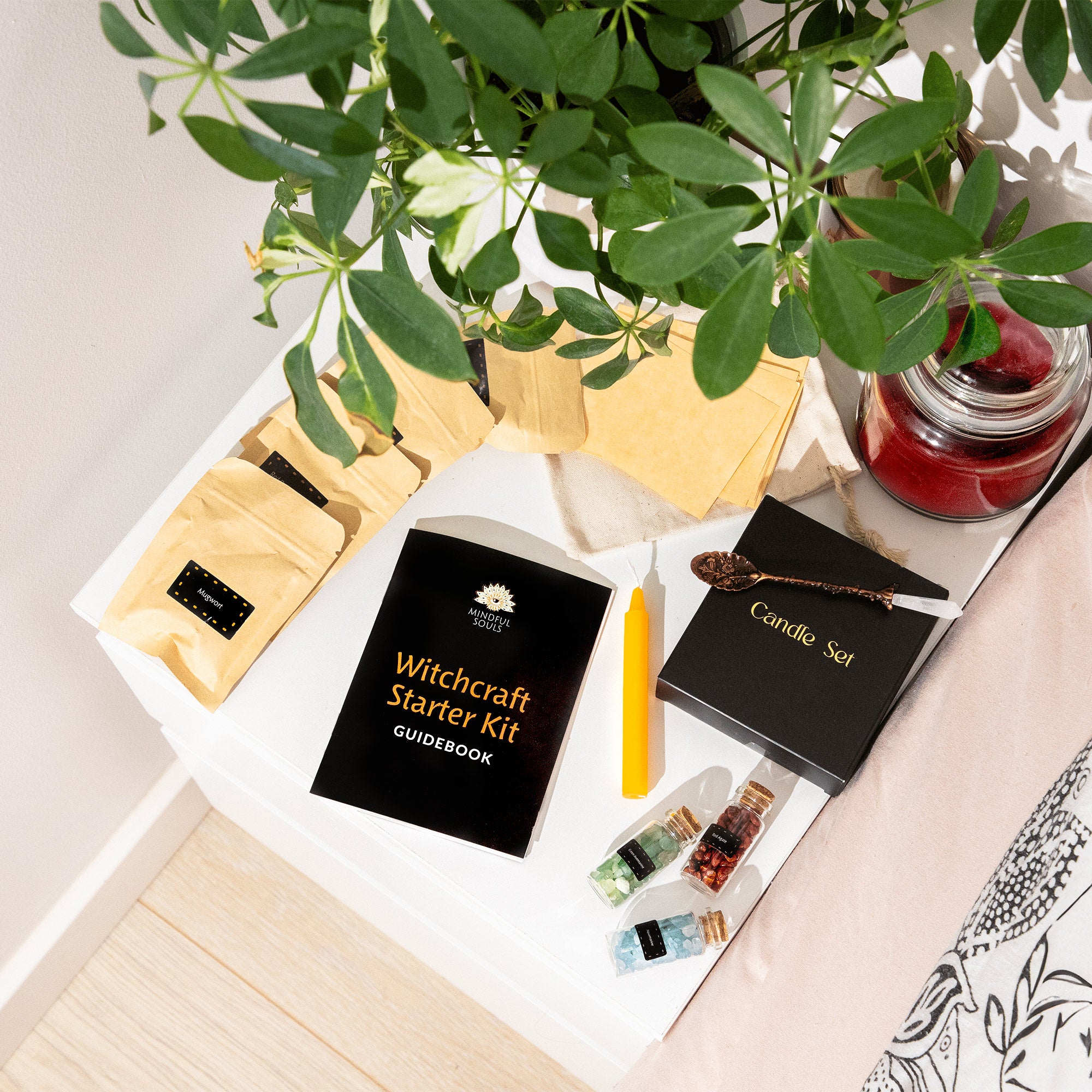
As the days grow shorter, bring in your own light. It can be as simple as lighting a candle and taking a quiet moment to think about what you're grateful for, what you've outgrown, or what you want to carry forward into the colder months.
Write It Down
Grab a journal or even just your Notes app. Ask yourself:
– What am I proud of from this season? – What am I ready to let go of? – What do I want to bring more of into the next one?
Refresh Your Space, Gently
You don't need a full seasonal makeover, just a few thoughtful shifts. Add a cozy throw, bring in some autumn colours, or place a few crystals around your space (Smoky Quartz for grounding, Carnelian for warmth and energy). Little things help us feel the change more fully.
Share a Harvest-Style Meal
This doesn't have to mean a giant feast. Maybe it's homemade soup, warm bread, or roasted veggies shared with someone you love. The spirit is the same: celebrating what nourishes you, both physically and emotionally.
Autumn Equinox Crystals: One for Each Theme
Most equinox crystal lists hand you fifteen stones and no reason to pick any of them. Here's a simpler approach. Match the stone to the part of the season you actually want to work with, using the three themes above as your structure.
A note on how we talk about this: these are traditional and metaphysical associations passed down through crystal practice. They're a framework for intention and attention, not a substitute for medical or mental health care.
For Balance: Amazonite or Blue Lace Agate
Libra season is about weighing things, and both of these stones are traditionally associated with calm, clear communication. Useful when the "honest but gentle conversation" is the thing you've been avoiding. Amazonite is the steadier of the two, while blue lace agate is the softer. Keep one where you make decisions: a desk, a bedside table, a coat pocket.
For Gratitude: Carnelian or Citrine
Warm stones for a warm theme. Carnelian is the classic here, associated with creative energy, courage, and the sacral chakra. Its burnt orange colouring is about as autumn as a mineral gets. Citrine carries similar sunny associations and pairs well with any harvest or abundance intention.
If you want to wear the season rather than shelf it, carnelian jewelry is an easy place to start. There's also a fuller breakdown of what carnelian means and how it's used if the stone is new to you.
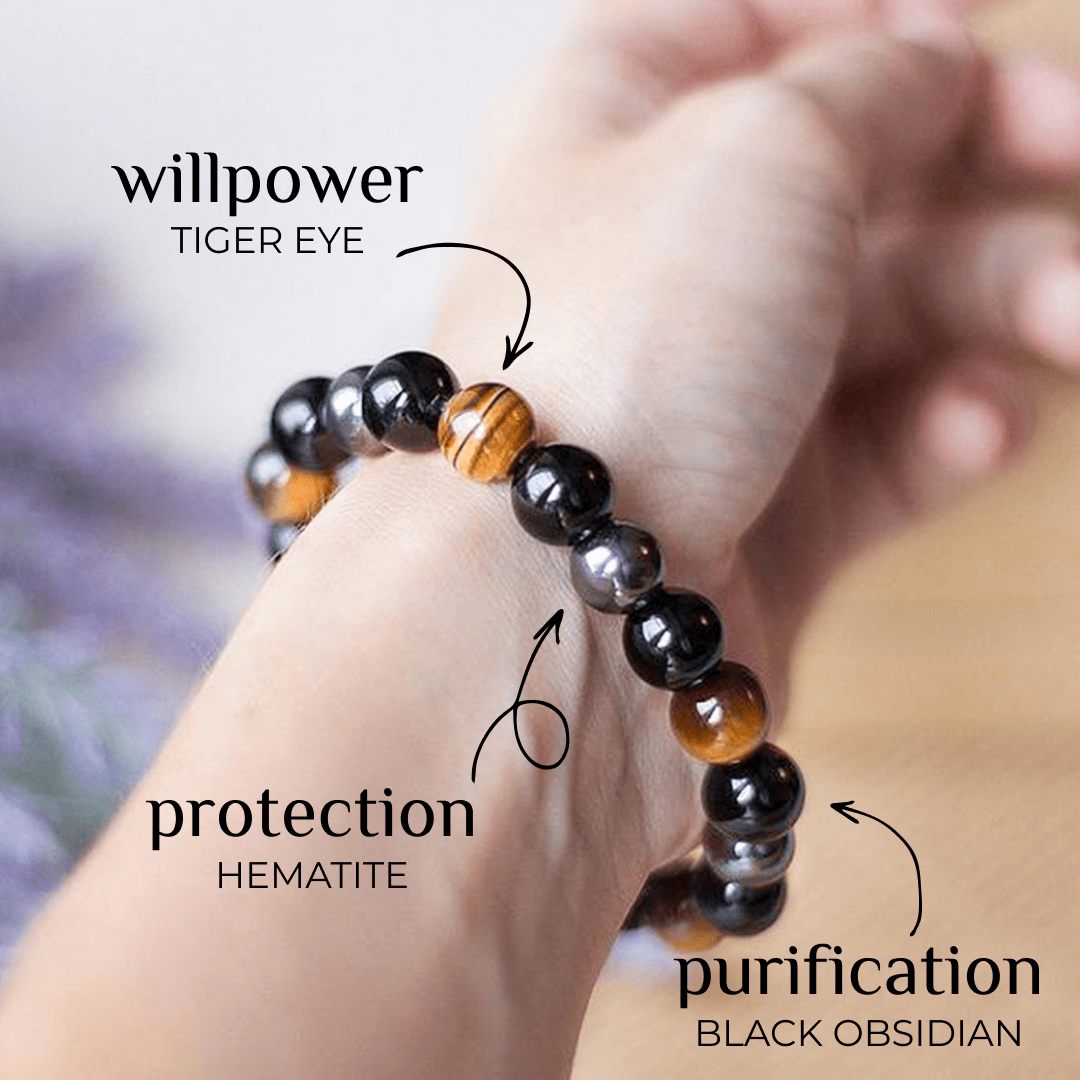
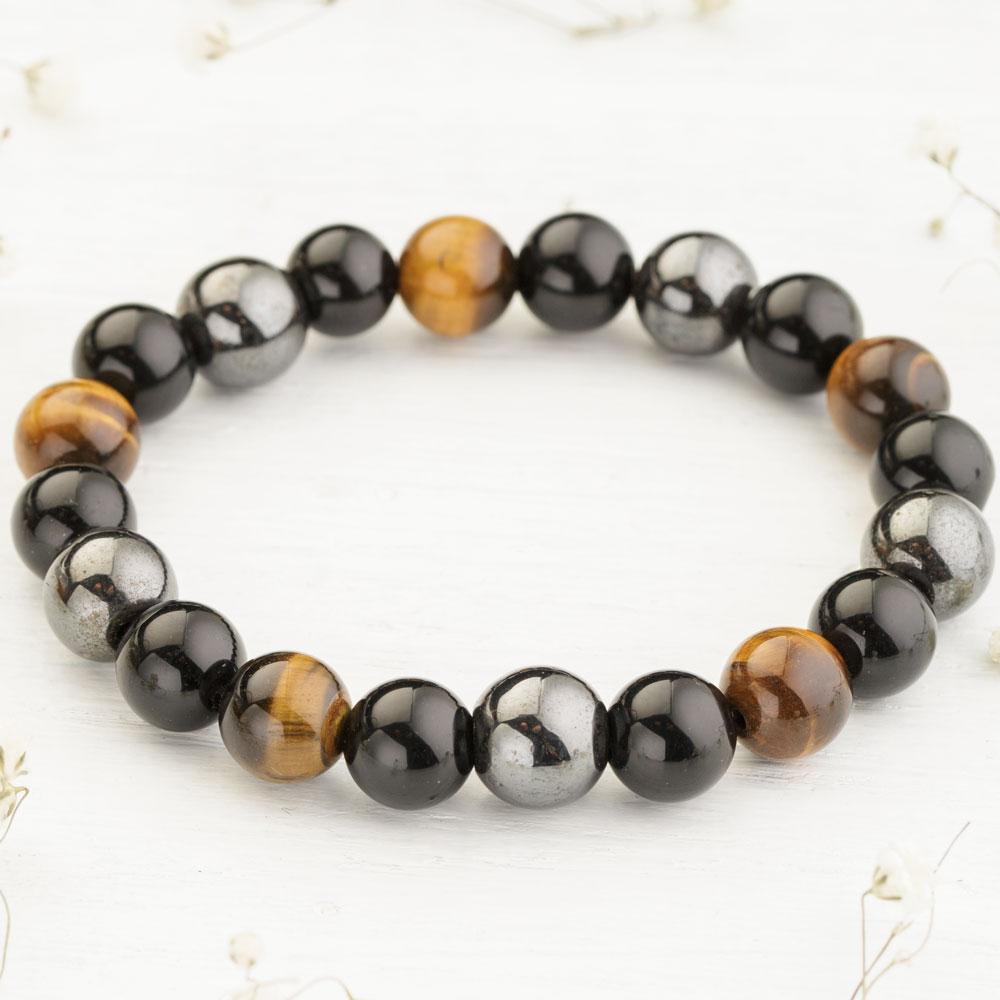
For Release: Smoky Quartz or Black Obsidian
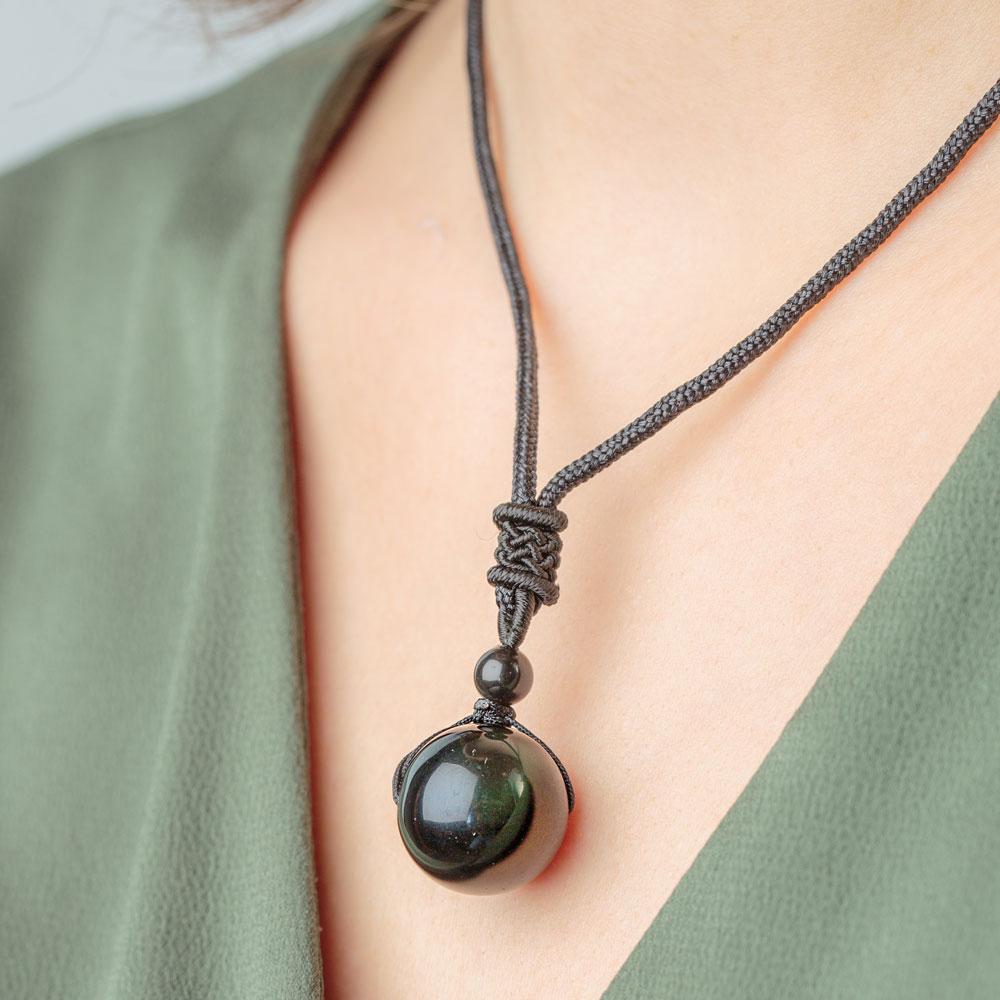
Smoky quartz is the grounding stone of the set, long associated with letting go and steadying yourself while you do it. Black obsidian works similarly, with a sharper edge. It's the one people reach for when the thing being released has some weight to it. If you're curious how much variety sits inside that one name, the different types of obsidian are worth a look.
A Three Stone Equinox Setup
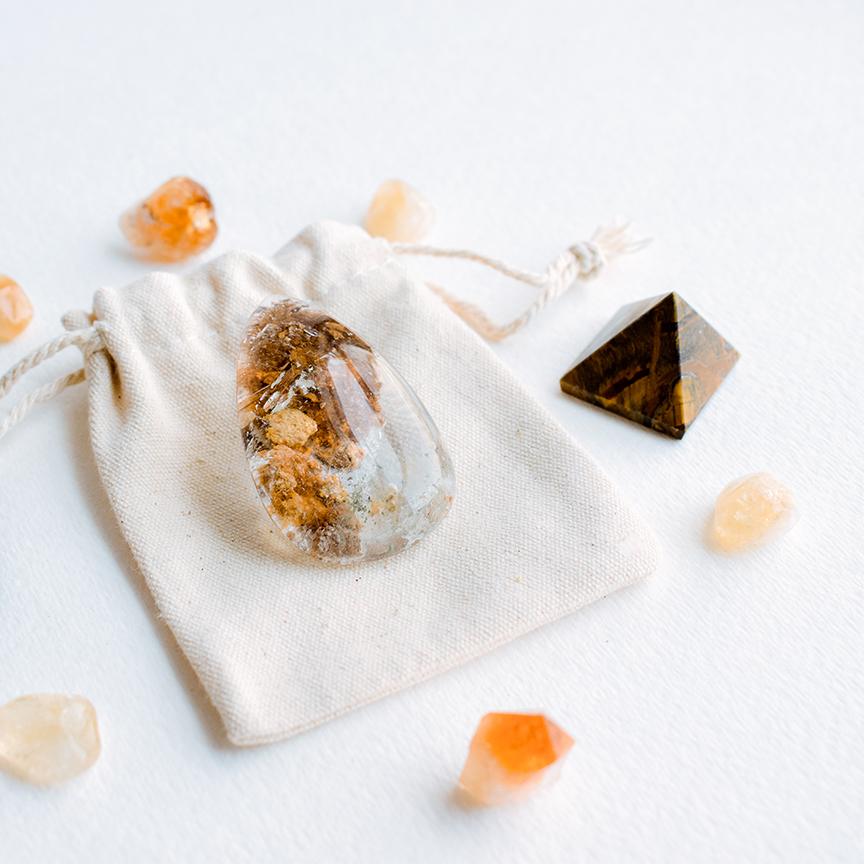
If you want something to actually do on September 22, pick one stone per theme, place them together somewhere you'll pass them daily, and write a single line for each: what you're balancing, what you're grateful for, what you're releasing. Revisit it at the winter solstice in December and see what moved. Our crystal sets are built for exactly this kind of grouping if you'd rather not source three stones separately.
Two practical notes. First, if the stones are new or have been sitting out a while, cleanse and charge them before you start. Second, don't leave amethyst, citrine, rose quartz, or smoky quartz in direct sunlight for long stretches, because sustained UV fades their colour.
Browsing rather than shopping a specific stone? Start with the healing crystals collection, or see what's landed in September's new arrivals.
|
Remember…
|
We’re Shifting Together
As the world tilts gently toward the darker half of the year, there’s comfort in remembering that none of us are doing it alone. Whether you’re slowing down, starting over, or just trying to make sense of what this season means for you… others are feeling it too.
That’s exactly why we created our free private community.
It’s a quiet corner of the internet where you can connect with people who care about mindfulness, spiritual growth, and living in tune with the seasons (without the overwhelm or pressure to be perfect).
We share small rituals, reflections, journal prompts, and support each other through shifts, like this one.
If you’re craving more meaning, more softness, and more connection this autumn, we’d love to have you inside.
→ [Join the Community – It’s Free]
Conclusion
The equinox lasts a moment. The season it opens lasts three months.
That's the useful part. You don't have to do anything profound at 8:06 PM on September 22 — you just have to notice the turn, and let it set the tone for the stretch ahead. One walk, one candle, one honest sentence in a journal. Whatever you can actually keep up when October gets busy.
Pick your one thing before the 22nd. Deciding in advance is most of the work.



















 Mindful Points
 Wishlist
 Contact Us


 60 Seconds
 5 Questions


