Your cart is currently empty...
but it doesn't have to be!
We Think You'll Love This


In This Article:
- What Is Amber? Sunlight You Can Hold
- Is Amber a Precious or Semi-Precious Stone?
- Amber Crystal Meaning and Spiritual Significance
- Amber Healing Properties and Benefits
- How Much Is Amber Worth?
- Blue Amber: The Rare One That Glows
- Baltic Amber Teething Necklaces: What They Are
- Hear It From Our Mindful Souls Fam
- Explore Authentic Amber at Mindful Souls
- How to Tell If Amber Is Real: 6 Easy Home Tests
- Real Amber vs Fakes at a Glance
- Amber vs Copal: What's the Difference?
- How to Use Amber for Protection and Grounding
- Amber, Your Zodiac Sign, and Birthstones
- Is Amber a birthstone?
- How to Care for Amber (Keep It Away From Water and Heat)
- Your Amber Reminder
- Your 30-Second Fake-Spotting Checklist
- About Mindful Souls
What Is Amber? Sunlight You Can Hold
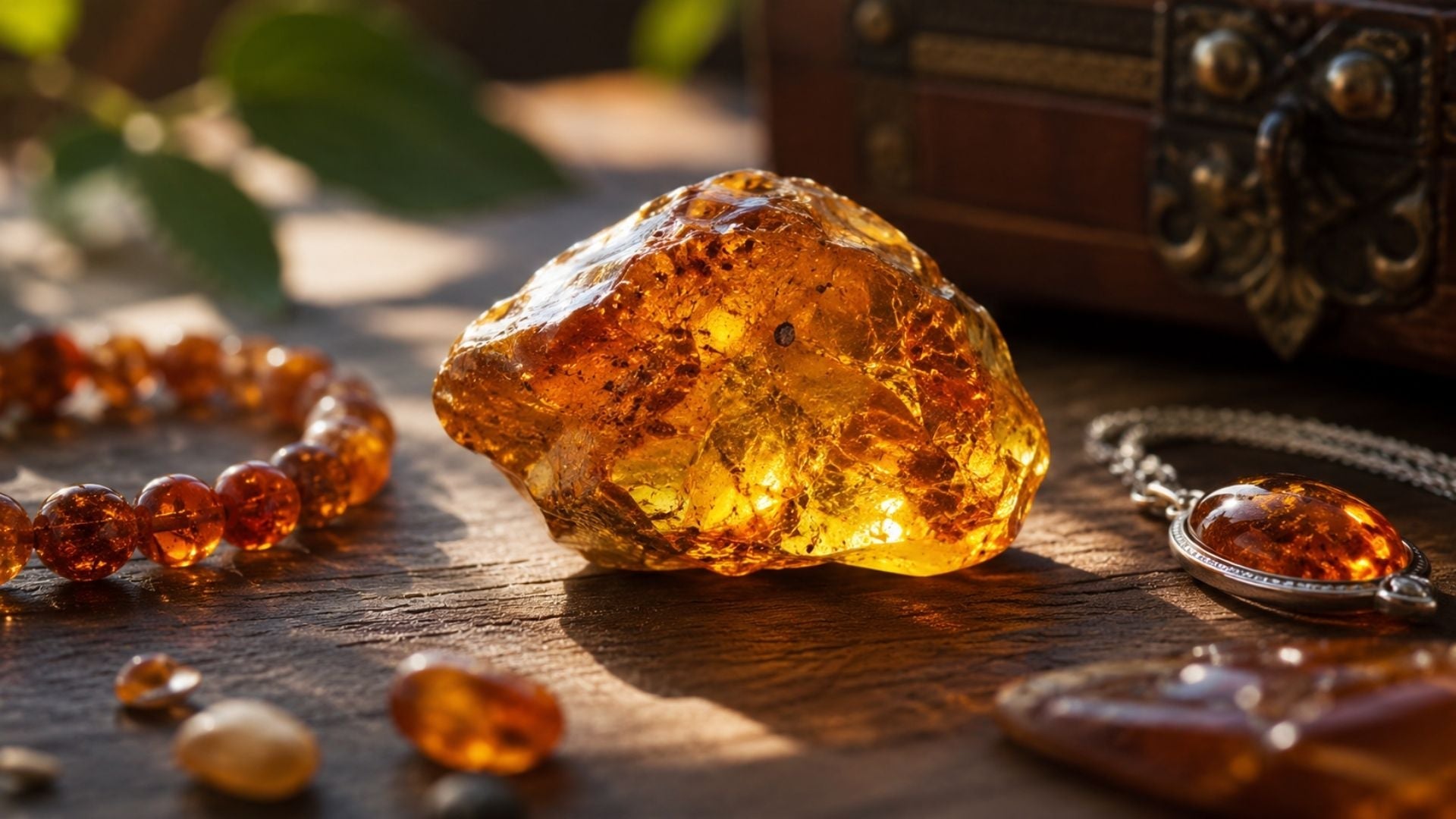
The first thing to know is simple: Amber is not a crystal or a mineral. It's an organic gem, made from sticky tree resin that oozed out of ancient trees, sometimes trapping tiny bugs, and then hardened over millions of years.
Most of the Amber you'll see is Baltic Amber, scooped from the shores of the Baltic Sea around Lithuania, Poland, and Kaliningrad. This single region produces the vast majority of the world's Amber. You'll also find it in the Dominican Republic (home to the rare blue kind), Mexico, and Myanmar.
Amber is also very old. Baltic Amber is about 44 million years old, and some Amber from other places is even older than the dinosaurs. You can read more about the science on GIA or Wikipedia's Amber entry.
Amber also does something surprising. If you rub it on a soft cloth, it builds up static and can pick up tiny bits of paper. The ancient Greeks noticed this and named Amber ēlektron. That little word is where we got "electricity" and "electron."
Quick Amber facts:
- What it is: Fossilized tree resin (an organic gem, not a mineral)
- Origin: Baltic region (the main source), plus the Dominican Republic, Mexico, and Myanmar
- Age: Around 44 million years for Baltic Amber, sometimes far older
- Mohs hardness: 2 to 2.5 (very soft, scratches easily)
- What makes Baltic Amber special: It contains succinic acid, which is why collectors call it "succinite"
- Real colors: Honey, golden yellow, cognac, butterscotch, deep cherry, green, and rare blue

Is Amber a Precious or Semi-Precious Stone?
Here's the quick answer people search for: Amber is classed as a semi-precious gem, not a precious stone. The four "precious" stones are diamond, ruby, sapphire, and emerald — everything else, including Amber, falls under semi-precious. But Amber is unusual even among gems, because it isn't a stone or a mineral at all. It's an organic gem, made from fossilized tree resin rather than crystallized rock.
So if you're wondering whether Amber is a stone, a gem, or a mineral, technically it's an organic gem. It's treated and worn like a gemstone, priced like a semi-precious one, but formed by nature in a completely different way from quartz, agate, or amethyst.

Amber Crystal Meaning and Spiritual Significance
So what does Amber stone actually mean? At its heart, the Amber crystal meaning is all about warmth, light, and life force. It carries the energy of captured sunshine, which is why it has been treasured as a good-luck talisman across cultures for thousands of years.
Spiritually, Amber is seen as a bridge to ancient wisdom. Because each piece literally holds a frozen moment from millions of years ago, it's traditionally believed to connect you to deep, grounding, time-tested energy.
The Amber stone spiritual meaning also centers on protection and cleansing. Many cultures used Amber to ward off negativity and "draw out" heavy emotions, leaving behind a lighter, sunnier feeling.
Mini-takeaway: If crystals like Amethyst feel cool and calming, Amber is the opposite. It's warm, energizing, and golden, like a hug from the sun.
Amber Healing Properties and Benefits
Amber is one of the great "feel-good" stones, and its reputation is built around warmth, confidence, and vitality. To understand how this sunny energy works on a deeper level, we have to look at how it interacts with your body's energy centers.
Amber Chakra Connection
Amber is a powerhouse for the Solar Plexus Chakra, your center of confidence, willpower, and personal fire. Its golden glow is a perfect color match. It also gently supports the Sacral Chakra, which is linked to creativity and joy.
What Amber Is Traditionally Believed to Support
Here are the Amber healing properties people reach for most:
- Confidence and personal power: As a Solar Plexus stone, Amber is traditionally used to boost self-belief and help you stand tall.
- Warmth and positivity: It's believed to lift low moods and remind you that life is meant to be enjoyed.
- Emotional clearing: Amber is traditionally thought to absorb negativity and soothe stress, leaving a calmer headspace.
- Vitality and motivation: Its sunny energy is associated with renewed drive, creativity, and getting things done.
- Grounding protection: Long used as a protective talisman, Amber is believed to create a warm, steady shield around the wearer.
Heads up: Amber is a beautiful companion for your wellness routine, but it's not a substitute for medical care. Enjoy it as a meaningful ritual, not a remedy.
How Much Is Amber Worth?
Amber is generally affordable, but value can climb fast for rare types. A few factors decide what a piece is worth:
- Color: Golden and honey tones are the most common and budget-friendly. Deep cherry, green, and especially rare blue Amber command much higher prices.
- Clarity and inclusions: Clear pieces are prized, but Amber with a well-preserved insect or plant inclusion can be worth significantly more to collectors.
- Origin: Genuine Baltic Amber (succinite) is the gold standard and carries a premium over younger resins or Copal.
- Size and craftsmanship: Larger, hand-finished, or sterling-set jewelry pieces cost more than small raw chips.
A simple rule of thumb: if Amber is suspiciously cheap, it's very likely plastic, glass, or Copal. Authentic, certified Baltic Amber is rarely bargain-bin priced — real value reflects real age.

Blue Amber: The Rare One That Glows
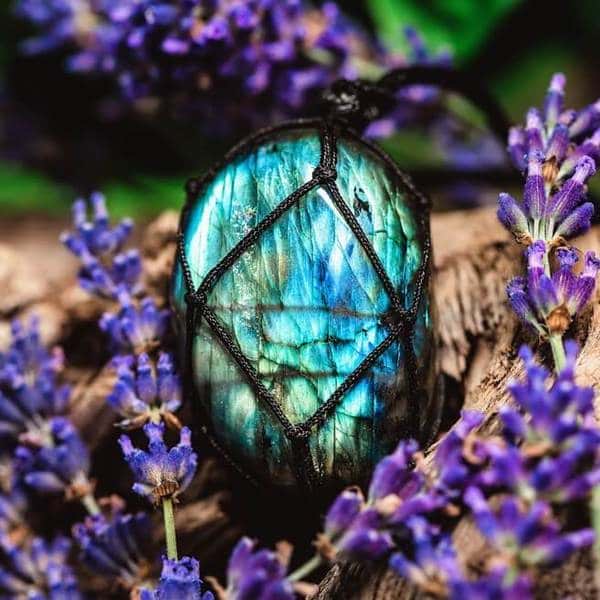
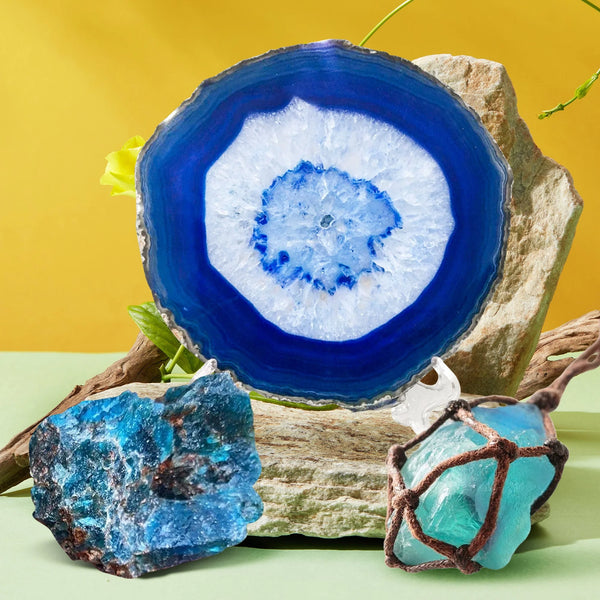
Most Amber is golden, but there is a rare and beautiful kind called blue Amber. Found almost only in the Dominican Republic, it appears to glow blue under sunlight and UV light. It's one of the rarest Ambers on Earth.
The blue Amber spiritual meaning is all about calm, clarity, and deeper awareness. It's a cooler, more peaceful side of Amber's usual sunny warmth.
Baltic Amber Teething Necklaces: What They Are
Baltic Amber teething necklaces are one of the most popular ways people use Amber, traditionally worn against the skin rather than chewed. Believers say body warmth gently releases Amber's natural succinic acid, and many parents simply love them as a meaningful, natural keepsake. Each bead is genuine Certified Baltic Amber, and ours come in five warm colorways.
A few care-and-use notes: Amber teething necklaces are meant to be worn, never chewed, and should always be used under supervision and removed during sleep. They're a traditional comfort item and keepsake, not a medical treatment — if your little one is uncomfortable, always check with your pediatrician.
Hear It From Our Mindful Souls Fam
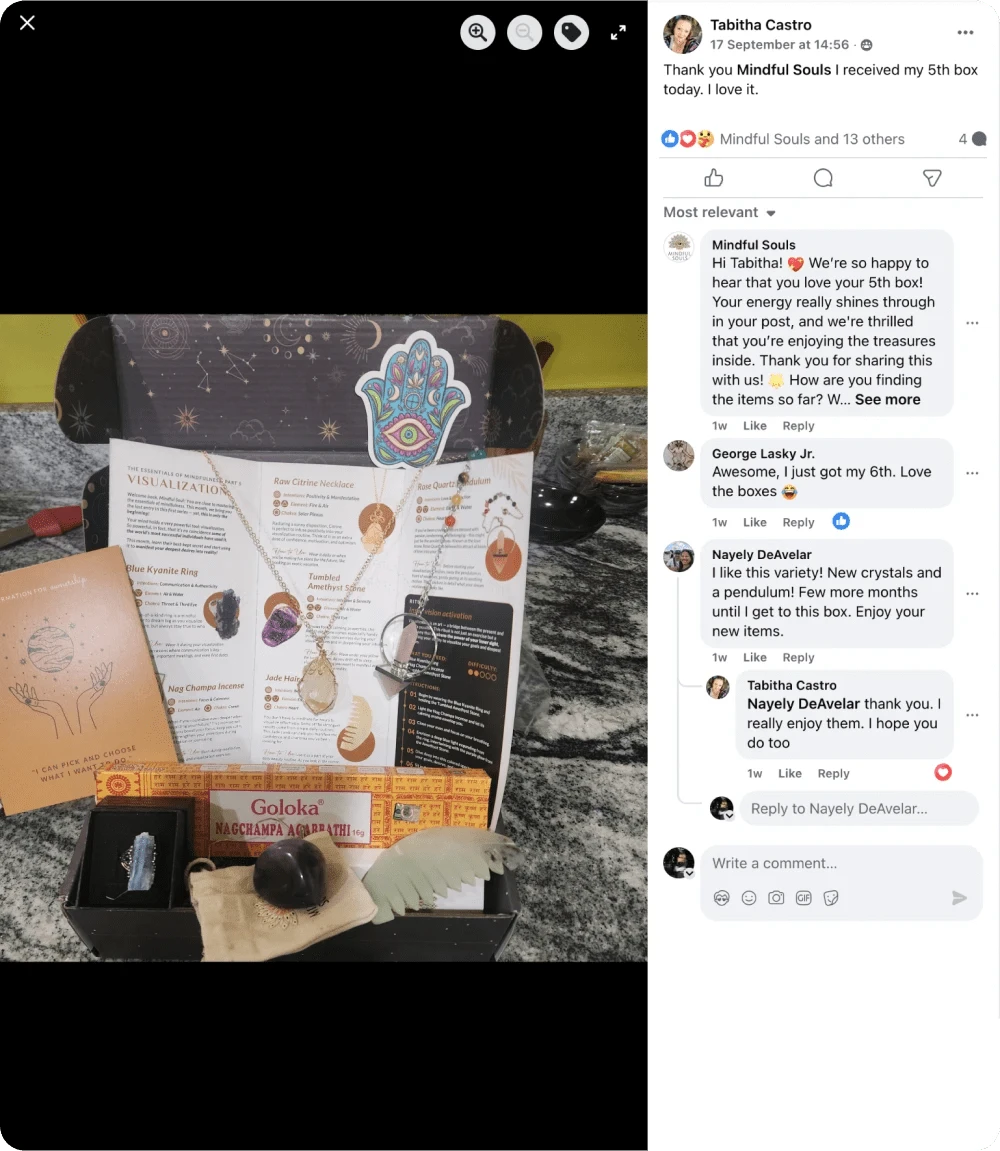
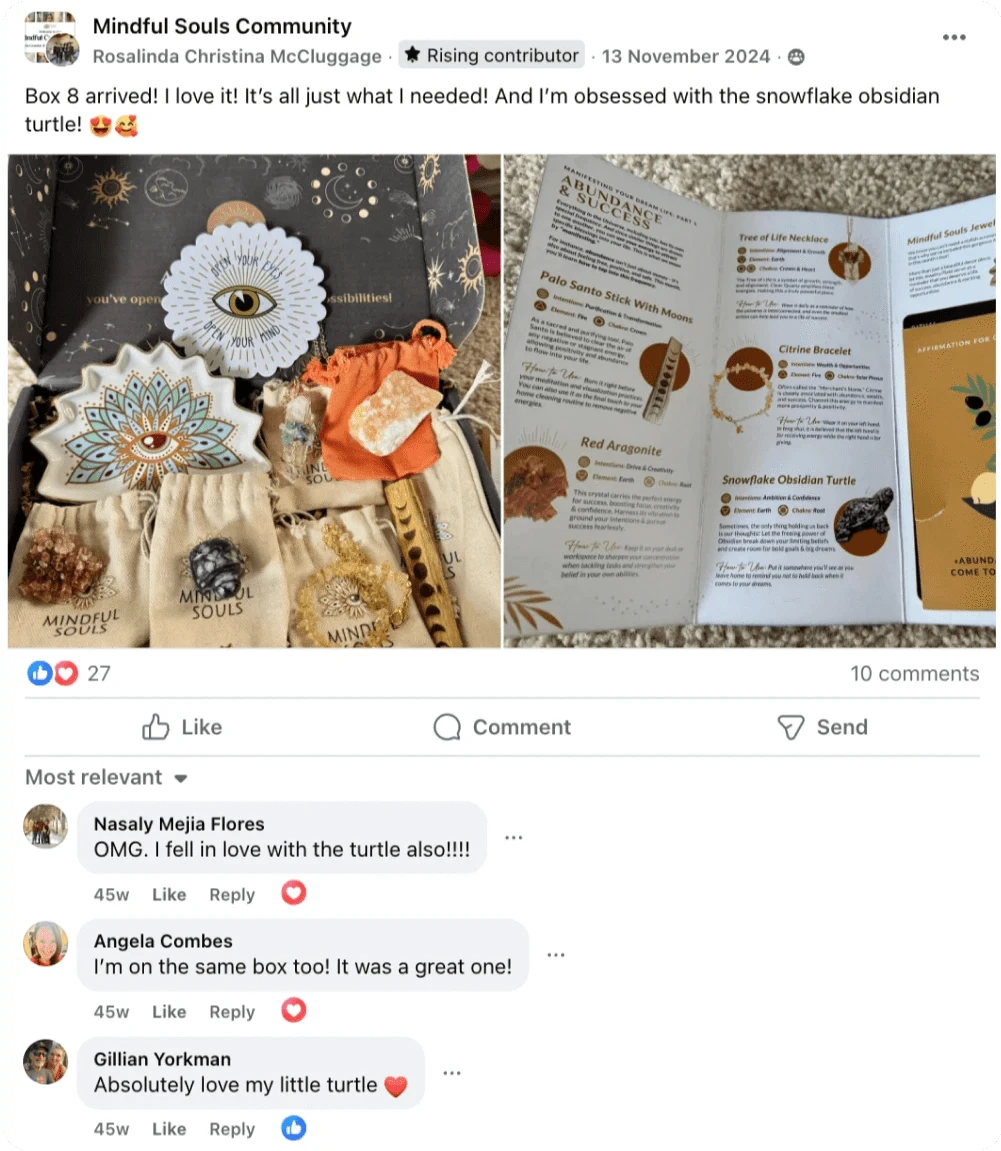
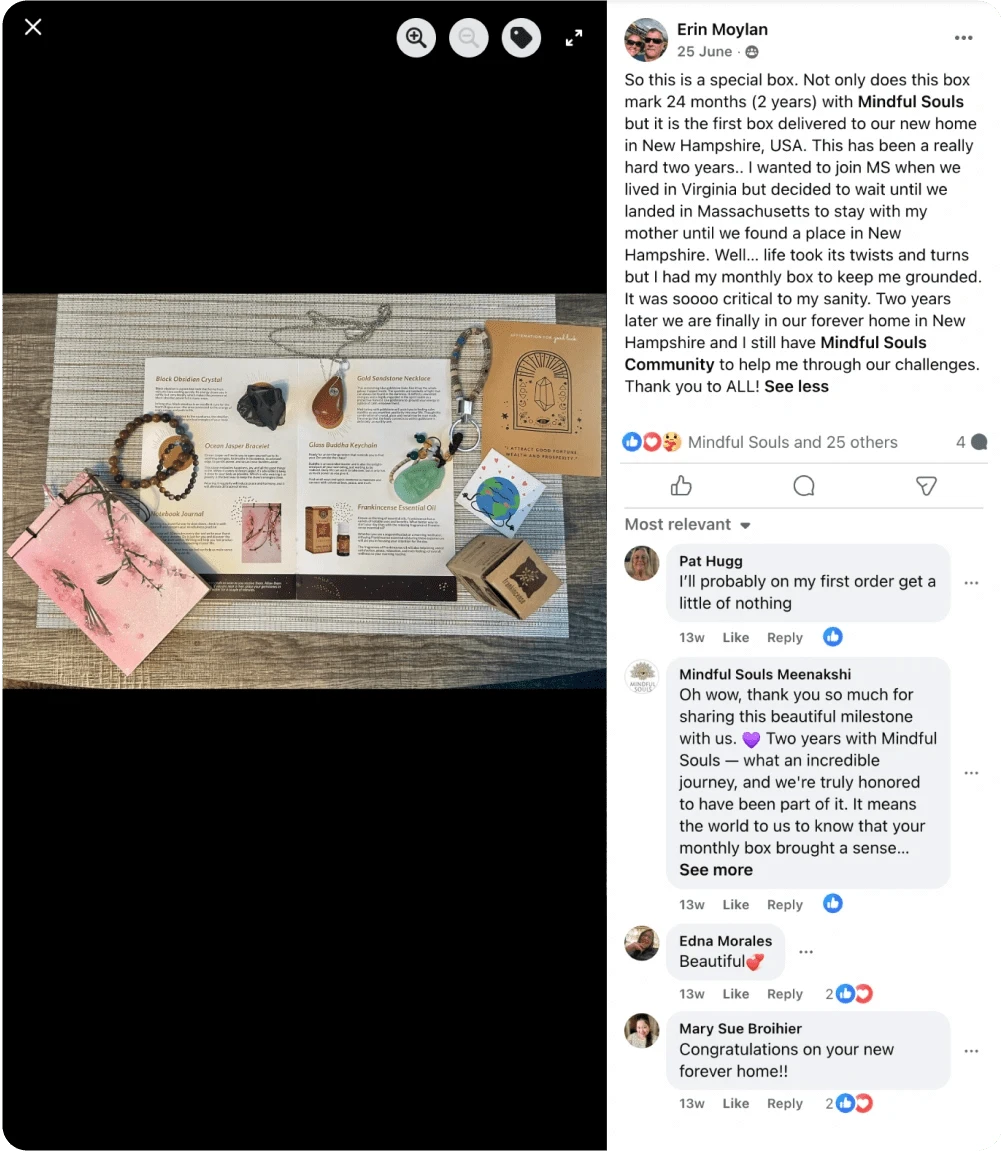
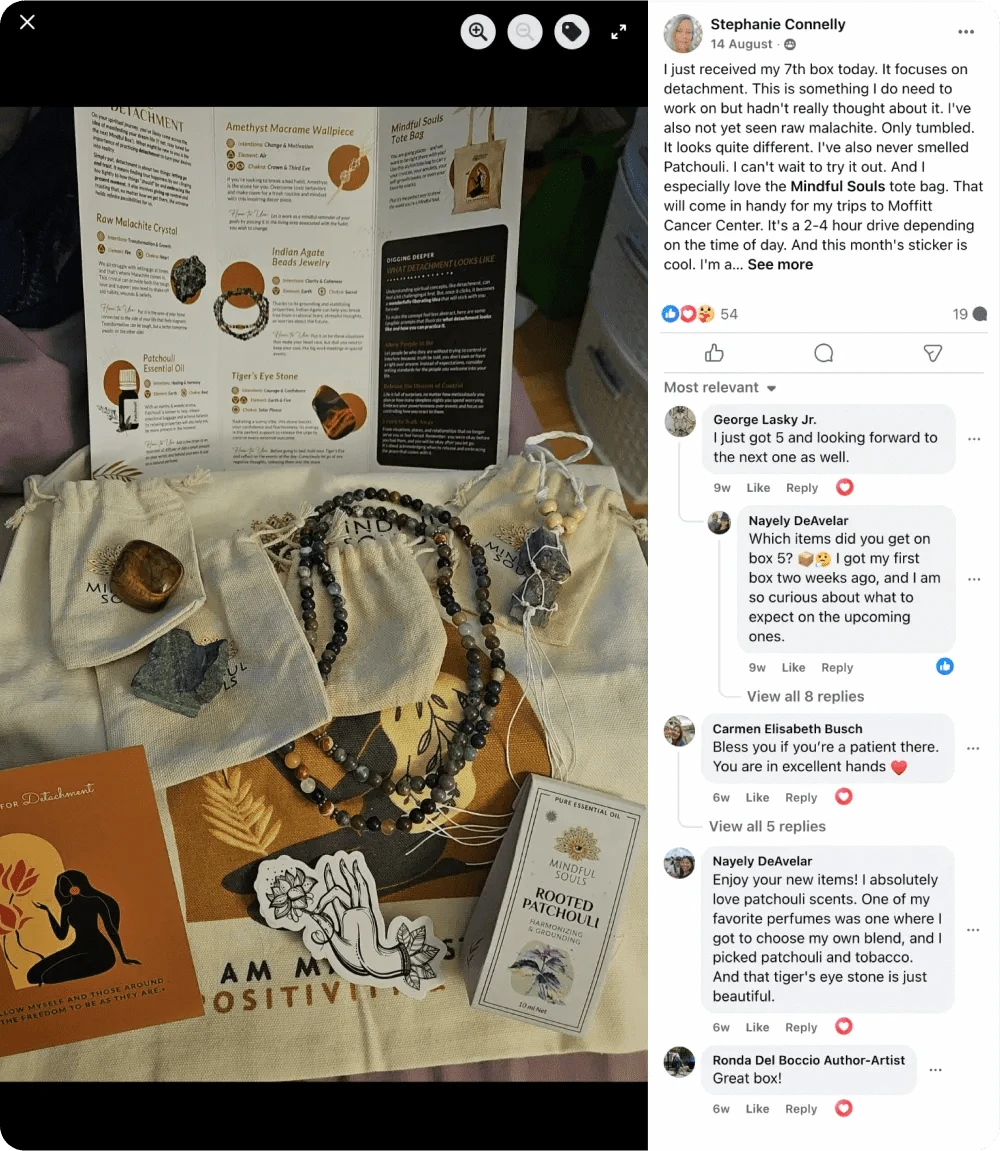
Don't just take our word for it, here's what our community is saying about their Amber pieces!
On the Baltic Amber Smooth Drop Pendant in Sterling Silver:
"The golden color is even warmer in person. It instantly makes any outfit feel cozy and put-together, and I love knowing I'm wearing something millions of years old." — Hannah P. ⭐⭐⭐⭐⭐
On the Baltic Amber Coral Stretch Bracelet:
"Those fiery sunset tones are stunning. It feels grounding to wear, and I get compliments every single time. Easily my favorite piece of natural jewelry." — Olivia M. ⭐⭐⭐⭐⭐
On the Earthy Amber Teething Necklace in Raw Rainbow:
"The exotic blend of colors is mesmerizing! It brings such a unique, positive energy to my day, and it's so comfortable to wear." — Chloe T. ⭐⭐⭐⭐⭐

Explore Authentic Amber at Mindful Souls
Every piece is made from genuine, Certified Baltic Amber, sourced responsibly and chosen for its natural beauty. Our Earthy Amber Teething Necklace comes in five stunning colorways, so here are our favorite picks:
-
Earthy Amber Teething Necklace
The classic Amber experience. Warm, glowing, honey-gold beads that capture that "sunlight you can hold" feeling. This is the timeless choice for anyone who wants Amber in its purest, most radiant form, and a beautiful introduction to wearing this ancient treasure.
SHOP NOW

How to Tell If Amber Is Real: 6 Easy Home Tests
Because Amber is valuable, there are a lot of fakes out there, usually plastic, glass, or Copal (young resin) made to look like genuine amber. The good news is you can spot most fakes at home with a few simple tests:
1. The saltwater float test
Mix about 2 tablespoons of salt into a cup of water until it dissolves. Real Amber is light and will float, while most plastic and glass sink. Just rinse and dry it after.
2. The hot needle smell test
Touch a heated pin to a hidden spot. Real Amber gives off a soft, piney, incense-like smell. Plastic smells sharp and chemical, like burning plastic.
3. The rub-and-feel test
Rub Amber briskly in your hands. It warms up quickly, feels light, and may give off a faint resin scent. Glass stays cold and heavy.
4. The static test
Rub your Amber on a wool or cotton cloth, then hold it near a tiny piece of paper. Real Amber becomes charged and lifts the paper, just like the ancient Greeks discovered.
5. The UV light test
Under UV light, genuine Baltic Amber usually shows a soft glow. Many plastics stay dull. Blue Amber will famously light up with a blue shimmer.
6. The acetone test
Place a single drop of acetone (nail polish remover) on the surface. Real Amber is not affected. Copal and some plastics get sticky or tacky.
Real Amber vs Fakes at a Glance
|
Quick test |
Real Amber |
Plastic or Glass |
Copal (young resin) |
|
Salt water |
Floats |
Usually sinks |
Floats |
|
Hot pin smell |
Piney, resinous |
Acrid, chemical |
Sweet, softens fast |
|
Feel |
Warm, light |
Plastic light, glass cold |
Warm, light |
|
Acetone drop |
No effect |
May soften |
Turns sticky |
|
UV light |
Soft glow |
Often dull |
Often dull |
Amber vs Copal: What's the Difference?
This confuses a lot of buyers, so here is the easy way to think about it. Copal is like young Amber. It's tree resin too, but it's only thousands to about a million years old, so it hasn't fully turned to stone yet.
Because it's younger, Copal is softer and dissolves more easily, which is why the acetone test catches it. Real Amber has hardened for millions of years, so it's much tougher. Copal isn't really a fake; it's just not true ancient Amber.

How to Use Amber for Protection and Grounding
One of the loveliest things about Amber is how easy it is to work with. No complicated rituals required. Here are a few simple Amber crystal uses to try:
- Wear it daily. A necklace or bracelet keeps Amber's warm energy close and near your Solar Plexus.
- Carry a piece. Slip a small Amber stone in your pocket or bag as a grounding, protective companion.
- Meditate with it. Hold Amber over your stomach during meditation to focus on confidence and personal power.
- Place it at home. Set Amber in your office or workspace for a sunny, motivating boost.
Mini-takeaway: Amber works best when you actually see and touch it, so keep it somewhere it'll be part of your day.
Amber, Your Zodiac Sign, and Birthstones
While anyone can enjoy Amber, a few zodiac signs have an especially strong connection to its sunny, fiery energy.
- Leo: Ruled by the Sun, Leo is Amber's perfect match. It's believed to boost Leo's natural confidence while calming any fiery outbursts.
- Aquarius: Often listed as Amber's astrological birthstone, Aquarius gets grounding and warmth from this stone.
- Taurus: Earthy, comfort-loving Taurus connects with Amber's stable, beautiful, nature-rooted energy.
- Cancer: Sensitive Cancer is thought to find emotional balance and protection in Amber's gentle glow.
Is Amber a birthstone?
Not a traditional monthly one. You won't find it on the official birthstone calendar. But it's widely loved as an astrological birthstone for Leo and Aquarius, and some traditions tie it to warm-weather months. So while it isn't an official birthstone, many people still treat it like one!
How to Care for Amber (Keep It Away From Water and Heat)
Amber is soft and delicate (just 2 to 2.5 on the Mohs scale), so a little care keeps it glowing for generations.
What to avoid:
- Long soaks in water, plus hot water, pools, and the shower
- Perfumes, hairspray, lotions, and cleaning chemicals
- Direct heat and harsh sunlight for long stretches
- Storing it loose with harder jewelry that could scratch it
How to clean it:
- Wipe gently with a soft, slightly damp cloth, then dry right away
- Skip ultrasonic cleaners and chemical jewelry dips
How to store it:
- Keep it in a soft pouch or lined box, on its own
Quick contact with water is fine (like during the salt-water test), but Amber should never be soaked or worn while swimming. For more on caring for delicate stones, see our crystal cleansing guide.
Your Amber Reminder
A few golden highlights to remember:
- 🟡 Fossilized tree resin around 44 million years old, not a true crystal
- 🟡 A warm Solar Plexus stone for confidence, vitality, and protection
- 🟡 Real Amber floats in salt water and smells of pine when heated
Your 30-Second Fake-Spotting Checklist
Shopping for Amber and short on time? Run through this quick mental list before you buy:
- Is the price suspiciously low? Real Amber is rarely cheap.
- Does it feel warm and light, not cold and heavy like glass?
- Are the inclusions natural and imperfect, rather than a too-perfect bug?
- Is there a certificate or trusted source, like Certified Baltic Amber?
If most answers point to "yes," you're likely holding an authentic piece.
About Mindful Souls
Mindful Souls started in 2018 with a simple idea: to make crystals and spiritual practices feel more accessible in everyday life. Today, we're a community of over 180,000 people exploring these tools in a practical, personal way.
We carefully source all of our crystals directly from ethical suppliers around the world, ensuring they are 100% natural. Each one is also tested and third-party lab certified for authenticity and quality, so you always know what you're working with. If you're curious about how it all started, you can read more on story page.















 Mindful Points
 Wishlist
 Contact Us


 60 Seconds
 5 Questions


