Your cart is currently empty...
but it doesn't have to be!
We Think You'll Love This


In This Article:
- What Is Apatite?
- Apatite Quick Facts
- What Is the Meaning of Apatite?
- Apatite Healing Properties and Benefits
- Types of Apatite and Their Meanings
- Which Chakra Is Apatite Associated With?
- How to Use Apatite in Everyday Life
- How to Cleanse and Charge Apatite
- How to Identify Real Apatite
- Apatite vs Similar Blue Gemstones
- Where Is Apatite Found?
- Best Crystals to Pair With Apatite
- How to Choose and Buy Apatite
- Apatite History, Name and Scientific Uses: The Deceiver in Your Smile
- Quick Apatite Facts to Remember
- Final Takeaway
- About Mindful Souls
What Is Apatite?
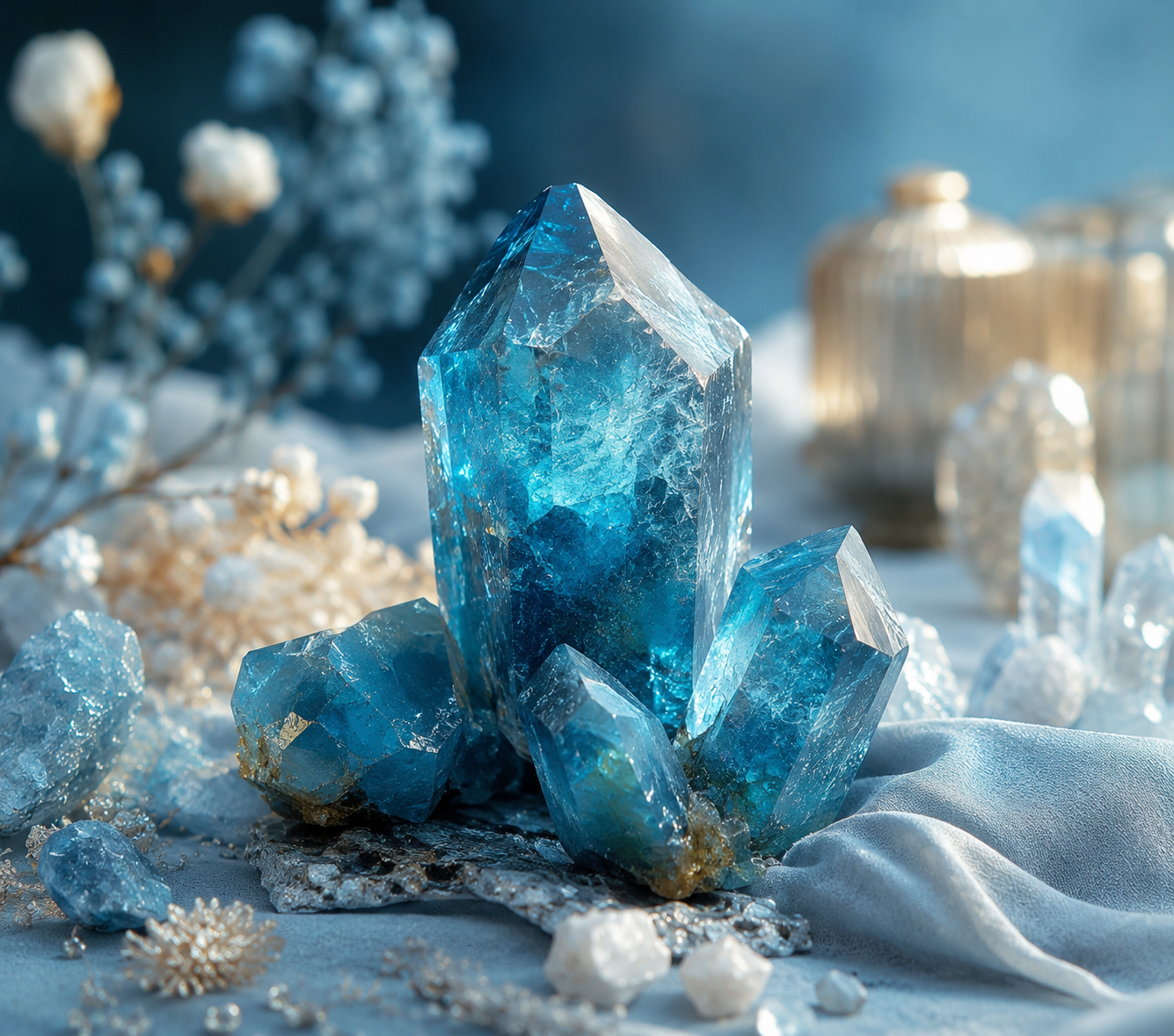
Apatite is a group of calcium-phosphate minerals best known for its electric blue and teal gemstones, though it also comes in green, yellow, purple, and colorless forms. In crystal traditions it is loved as a stone of communication, motivation, and manifestation. Scientifically, it is one of the most important minerals on Earth, and, as you are about to see, in you.
Is Apatite One Mineral or a Mineral Group?
Here is something most crystal shops never mention: "apatite" is not one precisely defined mineral. It is a field term for a whole group of calcium-phosphate minerals. The three best-known members are fluorapatite, hydroxylapatite, and chlorapatite, and the vast majority of specimens sold simply as "apatite" are actually fluorapatite. Hydroxylapatite is less common, and chlorapatite is genuinely rare. So when you hold an apatite crystal, you are holding a family name, a bit like saying "quartz" for a whole clan of stones.
Apatite Chemical Composition
For the mineral lovers, the general formula is Ca₅(PO₄)₃(F, Cl, OH). That last bracket is the interesting part: whichever element dominates, fluorine, chlorine, or a hydroxyl group, decides whether the crystal is fluorapatite, chlorapatite, or hydroxylapatite. All of them are calcium-phosphate minerals, and they typically grow as lovely hexagonal crystals.
Why Is It Called Apatite?
The name is a little joke from mineralogy history. It comes from the Greek word apatan, meaning "to deceive," coined in 1786, because apatite was constantly mistaken for other gems like beryl, tourmaline, and peridot. The great deceiver, hiding in plain sight. Honestly, once you see a vivid neon-blue apatite, you understand the confusion: it looks far too glamorous for a humble phosphate.

Apatite Quick Facts
| Property | Apatite Information |
|---|---|
| Mineral family | Phosphate mineral group |
| General formula | Ca₅(PO₄)₃(F, Cl, OH) |
| Most common member | Fluorapatite |
| Crystal form | Commonly hexagonal |
| Mohs hardness | Approximately 5 |
| Common colors | Blue, green, yellow, purple, clear, and colorless |
| Popular gemstone variety | Blue Apatite |
| Traditional chakra | Throat Chakra |
| Common uses | Jewelry, meditation, collections, and decoration |
One fun bonus fact: apatite does not just have a hardness of 5, it defines it. Apatite is the official reference mineral for 5 on the Mohs scale, the yardstick every other stone is measured against. That moderate softness matters for care, so we will come back to it.

What Is the Meaning of Apatite?
The apatite meaning, at its heart, is about finding your voice and acting on your vision. It is the crystal of the person who has ideas but keeps them in a drawer, the dreamer who is ready to become a doer.
Apatite Spiritual Meaning
In crystal traditions, apatite is associated with inspiration, motivation, communication, self-expression, mental clarity, personal growth, and manifestation. Think of it as a supportive coach for your inner world: not pushy, just believed to keep gently pointing you toward what you already know you want to say and do.
Apatite Symbolism
Symbolically, apatite stands for four beautiful movements: finding your authentic voice, moving from confusion to clarity, turning ideas into action, and releasing the emotional or creative blocks that keep everything stuck. There is even a poetic echo in its mineralogy. A stone named "the deceiver," because it was always mistaken for something else, became the crystal of being unmistakably yourself. We love a redemption arc.
Why Is Apatite Called a Stone of Manifestation?
In intention-setting traditions, apatite is used as a bridge between thinking and doing. Practitioners hold or wear it while naming a goal, then treat the stone as a physical reminder to take one small action every day. To be clear, there is no scientific evidence that a crystal makes outcomes happen; the tradition is about focus and follow-through, and the stone serves as a beautiful, tangible anchor for both.
Apatite Healing Properties and Benefits
A quick, honest note before we begin: the following properties are based on crystal traditions and spiritual practices. Crystals are not substitutes for medical or mental-health care.
Emotional Benefits
Apatite healing properties are traditionally centered on emotional clarity, quiet self-confidence, releasing frustration, encouraging optimism, and finding the words for difficult emotions. Many people reach for it before conversations they have been avoiding.
Mental and Creative Benefits
This is apatite's signature territory. It is traditionally used for concentration, motivation, creative thinking, goal setting, clear communication, and decision-making, which is why so many crystal lovers keep a piece on their desk or in a creative studio.
Spiritual Benefits
Apatite metaphysical properties often include support for meditation, intuition, spiritual awareness, intention setting, and personal transformation. Blue and purple varieties in particular are favorites for quiet inner work.
A Note on Physical Healing Claims
You may read elsewhere that apatite "suppresses appetite" or "heals bones." We will be straight with you: there is no reliable scientific evidence that apatite treats any medical condition. These ideas come from wordplay and from apatite's genuine biological role (more on that below), not from medicine. Enjoy the traditions, and see a professional for health concerns.
Types of Apatite and Their Meanings
Apatite is a whole rainbow, and each color carries its own traditional personality. Here is the complete guide:
| Apatite Type | Traditional Meaning | Chakra | Common Intention |
|---|---|---|---|
| Blue Apatite | Communication and inspiration | Throat | Self-expression |
| Green Apatite | Compassion and emotional renewal | Heart | Emotional balance |
| Yellow Apatite | Confidence and motivation | Solar Plexus | Goal achievement |
| Purple Apatite | Intuition and spiritual awareness | Third Eye | Meditation |
| Clear Apatite | Clarity and energetic cleansing | Crown | Spiritual focus |
Blue Apatite Meaning
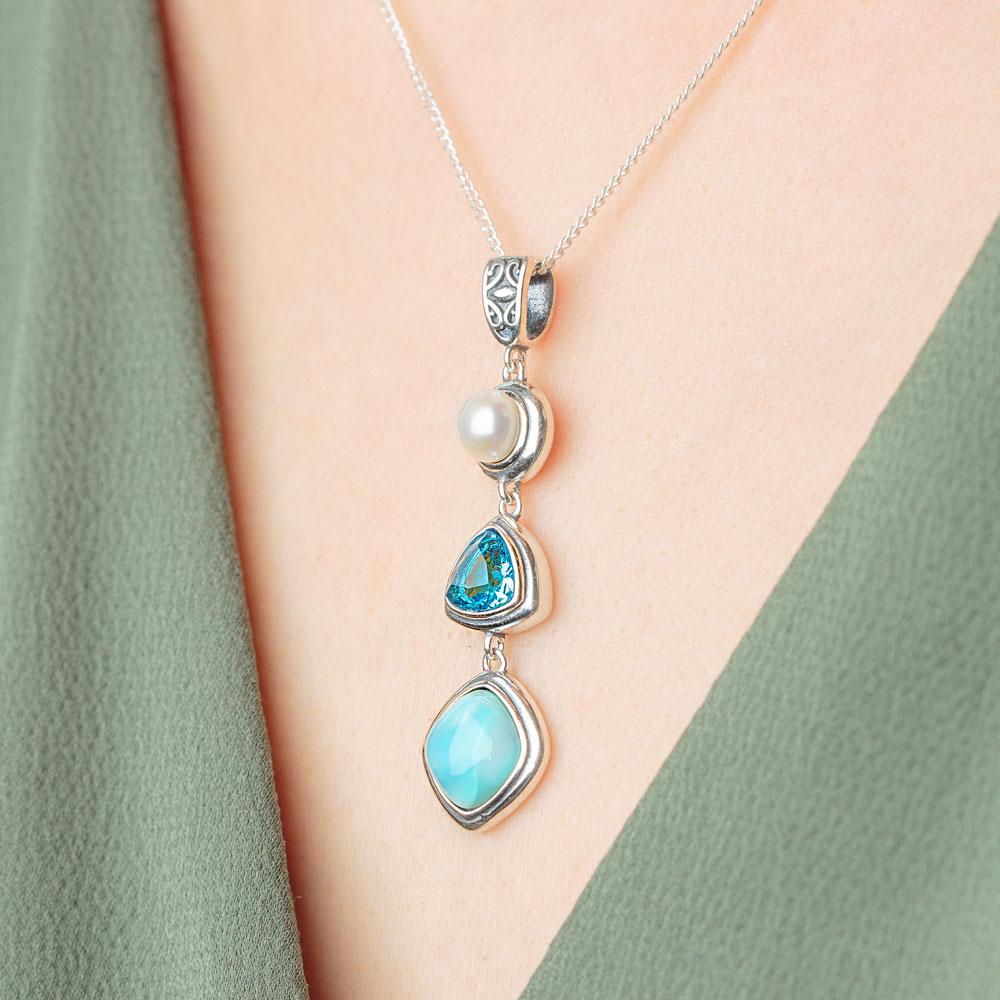
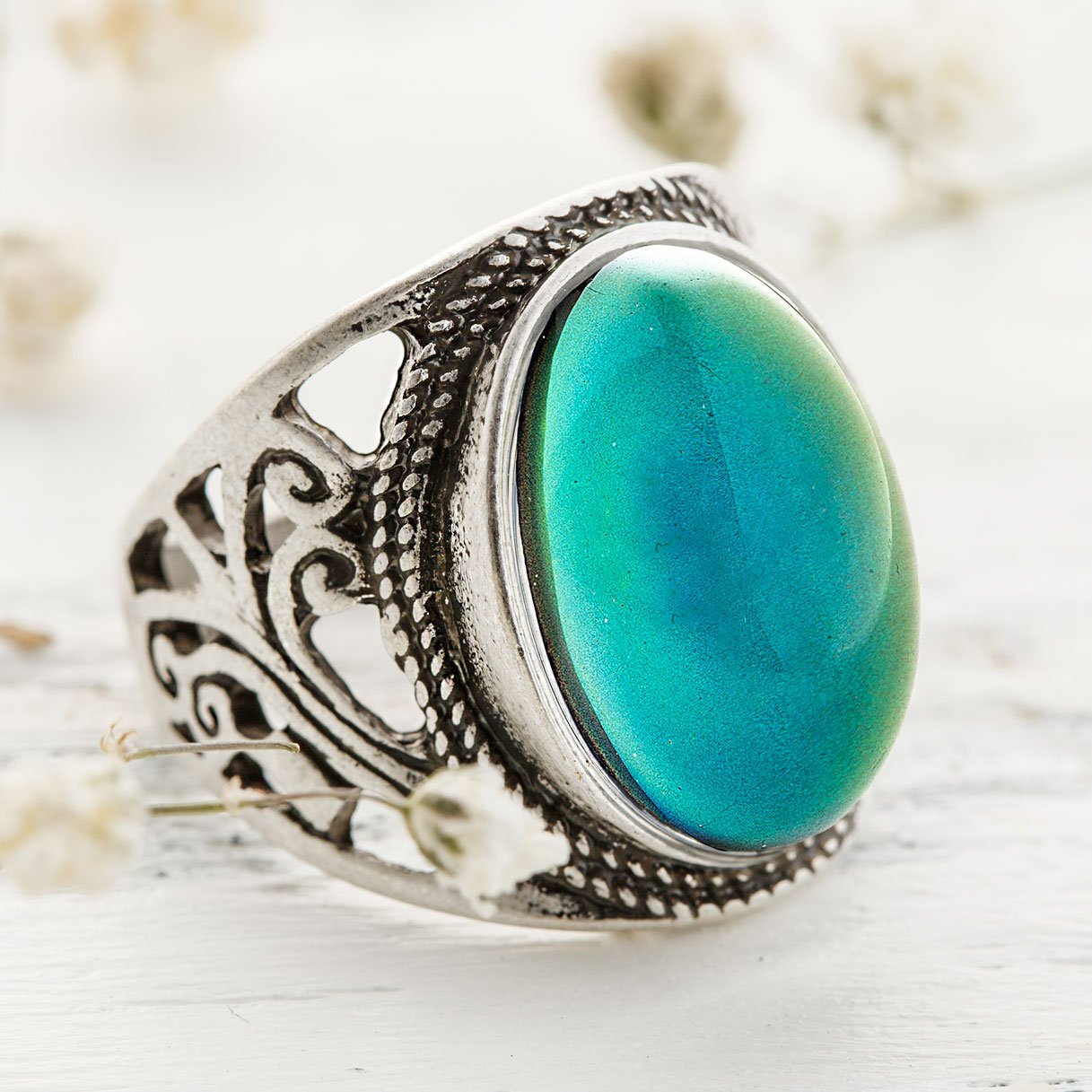
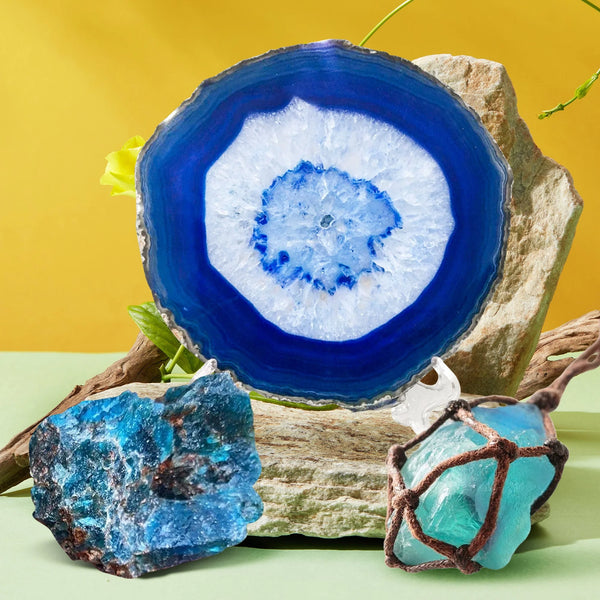
The star of the family. Blue apatite meaning centers on communication, creativity, authentic expression, and motivation, all flowing through the Throat Chakra. Its color ranges from deep ocean teal to an almost electric neon blue; the most vivid material, much of it from Madagascar, glows so intensely it is often compared to far more expensive Paraíba tourmaline. Blue apatite is a beloved meditation companion for anyone preparing to speak up, and blue apatite jewelry, especially a necklace resting near the throat, is the classic way to carry that intention through the day.
Green Apatite Meaning
The gentle one. Green apatite is traditionally linked to the Heart Chakra, compassion, growth, and emotional renewal. Where blue apatite helps you speak your truth, green apatite is believed to help you soften into it, a lovely choice after a hard season.
Yellow Apatite Meaning
The sunbeam. Yellow (or golden) apatite connects with the Solar Plexus Chakra, your center of confidence, willpower, and motivation. It is traditionally used for optimism and follow-through, the "get up and do the thing" energy of the family.
Purple Apatite Meaning
Rarer and quietly magical, purple apatite is traditionally tied to the Third Eye Chakra, intuition, and deep meditation. Collectors prize it because fine purple material, notably from Maine in the United States, is genuinely uncommon.
Clear Apatite Meaning
The minimalist. Colorless apatite is associated with the Crown Chakra, mental clarity, and energetic cleansing, a subtle stone for spiritual focus without any color story attached.
Which Chakra Is Apatite Associated With?
Blue apatite is most commonly associated with the Throat Chakra, although other apatite colors are traditionally connected with different energy centers.
Blue Apatite and the Throat Chakra
The Throat Chakra is your center of honest speech and creative communication. Blue apatite is traditionally used here for speaking honestly, expressing emotions instead of swallowing them, communicating creative ideas, and building confidence in conversations, from difficult talks with loved ones to presentations at work.
Apatite Chakra Associations by Color
| Color | Chakra |
|---|---|
| Blue | Throat Chakra |
| Green | Heart Chakra |
| Yellow | Solar Plexus Chakra |
| Purple | Third Eye |
| Clear | Crown Chakra |
Simple rule: read the color, and you will know the chakra.

-
Bundle - Blue Apatite Palm Stone - The Crystal Wisdom Card Deck - Mindful Crystal Guide eBook
Stone of Inspired Vision A smooth, polished Blue Apatite palm stone in vibrant teal-blue, ideal for meditation, creativity, and Throat Chakra work. Hold it during intention-setting or place it on your desk to invite clarity, focus, and inspired vision. Size: 3" | Material: Polished Apatite.
SHOP NOW

How to Use Apatite in Everyday Life
Wear Apatite Jewelry
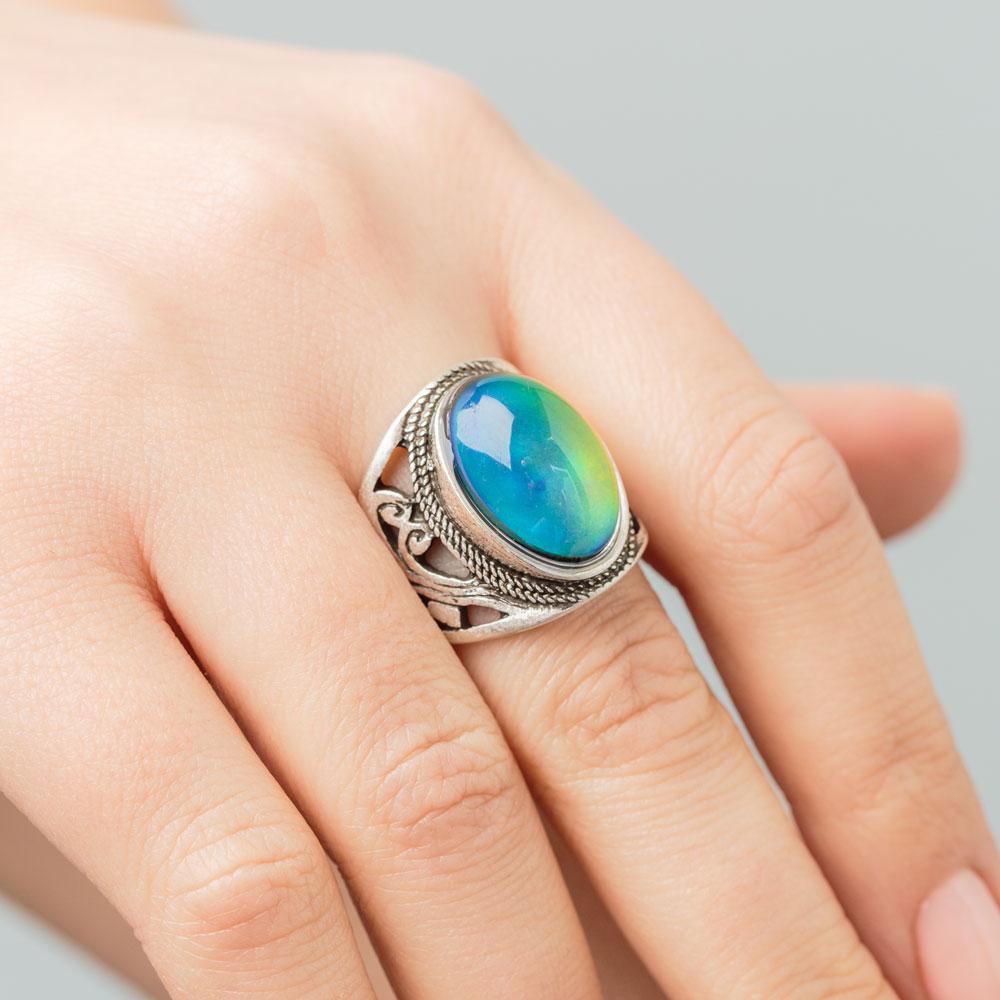
Apatite makes stunning crystal jewelry: necklaces and pendants (perfectly placed for Throat Chakra work), earrings, bracelets, and occasional-wear rings. One practical tip from its mineralogy: because apatite sits around 5 on the Mohs scale, pendants and earrings are easier to protect than daily-wear rings, which take knocks against desks, doors, and dishes. Save apatite rings for gentler days.
Meditate With Apatite
A simple five-step practice:
- Choose one intention, something you want to say, start, or finish.
- Hold the stone comfortably in your hand or rest it at your throat.
- Take slow breaths until your shoulders drop.
- Repeat a short affirmation, such as "I say what is true for me."
- Journal any thoughts that surfaced, even messy ones. Especially messy ones.
Our meditation collection has more companions for this kind of quiet work.
Place Apatite in Your Home
Apatite loves the rooms where ideas happen: your workspace, meditation corner, creative studio, reading nook, or intention altar. Anywhere you think, write, plan, or dream is apatite territory.
Use Apatite for Journaling and Manifestation
Hold your stone, open a notebook, and try these three prompts:
- What truth am I ready to express?
- Which goal needs consistent action, not more planning?
- What is preventing me from sharing my ideas?
If manifestation work is part of your practice, apatite is traditionally considered one of the best stones to write with.
Carry Apatite During Work or Study
A small tumbled apatite in your pocket or on your desk is traditionally associated with focus, communication, and creative thinking. No stone can guarantee an A or a promotion, but as a physical reminder to stay on task and speak up in that meeting? Lovely.

How to Cleanse and Charge Apatite
Apatite needs slightly gentler treatment than tough stones like quartz, so let's split this into energy and housekeeping.
Spiritual Cleansing Methods
The safest traditional methods for apatite are moonlight (yes, apatite can absolutely be charged in moonlight, and a windowsill overnight is perfect), sound cleansing, smoke cleansing, resting it on Selenite, or a simple visualization of light washing the stone. Avoid long sunbathing sessions: strong heat and prolonged sun can fade apatite's beautiful color. For the full method behind each option, our cleansing and charging guide walks you through everything.
Can Apatite Go in Water?
Briefly, yes; happily, no. A quick rinse or a gentle wash with mild soapy water will not hurt a solid, unfractured stone, but apatite should not soak. Repeated or prolonged soaking is unnecessary, can stress jewelry settings, and can worsen any existing internal fractures. Skip salt water entirely, and dry your stone promptly.
How to Physically Clean Apatite
Use lukewarm water, mild soap, and a soft cloth or soft brush, then dry immediately. Never use steam cleaning, ultrasonic cleaners, harsh chemicals, high heat, or abrasive materials; at hardness 5, apatite scratches more easily than most gems, so store it separately from harder stones like quartz and topaz.
How to Identify Real Apatite
What Does Natural Apatite Look Like?
Natural apatite most often shows a blue-green to teal color with visible personality: natural inclusions, slight color zoning (bands or patches of deeper and lighter color), and transparency ranging from glassy-clear gems to opalescent, almost cat's-eye material. Raw apatite forms hexagonal crystals; polished pieces often keep subtle internal "silk." A stone that looks utterly flawless and perfectly uniform deserves a closer look.
Signs That Require More Investigation
Be cautious about extremely uniform color across every bead of a strand, a suspiciously low price for vivid neon-blue material, no disclosure of treatment or origin, a plastic-like look or feel, or a seller who refuses to answer basic questions. None of these alone proves a fake, but together they are a pattern.
Can You Test Apatite at Home?
Please do not scratch-test your stone; at hardness 5 you will likely damage a genuine apatite trying to prove it is real. For definitive identification, a gemologist or a reputable gem laboratory is the honest answer. At Mindful Souls, every crystal is third-party lab certified, so that homework is already done for you.
Apatite vs Similar Blue Gemstones
Remember, apatite literally means "deceiver" because of these lookalikes. Here is how to tell them apart:
| Stone | Typical Appearance | Mohs Hardness | Key Difference |
|---|---|---|---|
| Blue Apatite | Bright blue to blue-green | About 5 | Softer and often highly vivid |
| Aquamarine | Pale blue to green-blue | 7.5–8 | Harder and generally more durable |
| Blue Topaz | Clear, bright blue | 8 | Usually cleaner and harder |
| Lapis Lazuli | Opaque deep blue | 5–5.5 | Often contains calcite or pyrite |
| Turquoise | Opaque blue-green | 5–6 | Commonly shows matrix patterns |
Apatite vs Aquamarine
Aquamarine is the classic mix-up. The quickest tells: aquamarine is usually a paler, watery blue, while fine apatite tends toward saturated teal and neon; and aquamarine is dramatically harder (7.5–8 vs about 5), so it shows far fewer surface scratches over time. Energetically, aquamarine leans calm and soothing, while apatite leans motivating and expressive.
Apatite vs Blue Topaz
Blue topaz is typically cleaner, brighter, and much harder at 8 on the Mohs scale. If a "blue apatite" ring has survived years of daily wear without a scratch, topaz is the more likely suspect.
Apatite vs Lapis Lazuli
This one is easy: Lapis Lazuli is opaque, a deep royal blue flecked with golden pyrite or white calcite, while gem apatite is transparent to translucent. You will never mistake them side by side.
Where Is Apatite Found?
Apatite forms on every continent, but the localities gem lovers know best are Brazil and Mexico (classic yellow and blue-green material), Canada (large hexagonal crystals from Ontario and Quebec), the United States (including Maine's famous purple apatite), India, Madagascar (source of the beloved neon-blue material), Russia, and Norway. Locality genuinely matters to collectors: it influences color, transparency, and value, which is why well-documented origin is a mark of a serious seller.
Best Crystals to Pair With Apatite
Apatite plays generously with others. Pair by intention:
For grounding: Black Tourmaline, Hematite, or Red Jasper. Apatite stirs ideas and ambition; these earthy stones are traditionally used to keep your feet under you while it does.
For communication: Aquamarine, Blue Lace Agate, or Lapis Lazuli. Fellow throat-centered stones that are believed to soften, soothe, and deepen the honest-expression work apatite begins.
For creativity: Carnelian, Citrine, or Labradorite. Warm, sparky companions traditionally used to turn apatite's inspiration into playful, finished projects.
For calm and meditation: Amethyst, Clear Quartz, or Selenite. Quiet amplifiers that are believed to settle the mind so apatite's clarity has somewhere peaceful to land.
How to Choose and Buy Apatite
What to Look For
When choosing your piece, weigh color (saturated teal and neon blue are most prized), clarity, cut, natural inclusions (welcome in moderation, they prove authenticity), overall condition, setting quality on jewelry, treatment disclosure, and seller reputation. A trustworthy seller will happily tell you where a stone came from and what, if anything, was done to it.
Is Apatite Suitable for Everyday Jewelry?
A balanced answer: yes, with a little wisdom. Pendants and earrings are great for daily wear because they rarely take impact. Bracelets are fine if worn thoughtfully. Rings need the most protection; remove them for cleaning, gym sessions, and gardening. And always store apatite separately from harder stones so nothing scratches that gorgeous surface.
What Determines Apatite's Value?
Color saturation first (that neon blue commands the premium), then transparency, size, cut quality, freedom from visible damage, and documented origin. A small, vividly colored, clean stone will usually outvalue a large dull one.
Apatite History, Name and Scientific Uses: The Deceiver in Your Smile
Here is the part almost no crystal blog will tell you, and it might be our favorite crystal fact of all: you are partly made of apatite. Tooth enamel, the hardest substance the human body produces, is roughly 96% hydroxylapatite, and your bones are built on a framework of the same mineral. When you hold an apatite crystal, you are holding the mineral family your own body grows. The "stone of finding your voice" is literally the mineral your teeth are made of; you have carried it in every word you have ever spoken. We did not plan for the symbolism to be that perfect, but here we are.
The science story goes further. Named in 1786 from the Greek apatan, "to deceive," for its habit of impersonating other gems, apatite went on to become one of Earth's most useful minerals: it is the planet's main source of phosphorus, and the vast majority of mined apatite becomes the phosphate fertilizer that helps feed the world. Geologists even use tiny apatite crystals as time capsules to study water in ancient magmas, including in Moon rocks. And a rare few specimens show a subtle alexandrite-like effect, shifting color between daylight and indoor light — the deceiver, deceiving to the very end.
Only a tiny fraction of apatite ever forms clean and vivid enough to become a gemstone, which makes gem-quality blue apatite something of a geological lottery winner.
Quick Apatite Facts to Remember
Three things worth remembering about this vivid little motivator:
💠 It is a mineral family, not one stone, and most gems are fluorapatite
💠 Its chakra follows its color, with blue and the Throat Chakra leading
💠 Your own tooth enamel is about 96% apatite, so you have always carried it
Final Takeaway
Scientifically, apatite is a family of calcium-phosphate minerals, mostly fluorapatite, that defines hardness 5 on the Mohs scale, feeds the world as a phosphorus source, and quite literally builds your teeth and bones.
In crystal traditions, it is the stone of the found voice: communication, motivation, clarity, and manifestation, with each color, blue, green, yellow, purple, and clear, tuned to its own chakra and intention.
To enjoy it responsibly, treat it kindly. Cleanse it with moonlight rather than water, store it away from harder stones, save the rings for gentle days, and let the traditions inspire you without replacing real-world care. If apatite's vivid, speak-your-truth energy is calling you, our healing crystals collection is a beautiful place to wander.
About Mindful Souls
Mindful Souls started in 2018 with a simple idea: to make crystals and spiritual practices feel more accessible in everyday life. Today, we're a community of over 180,000 people exploring these tools in a practical, personal way.
We carefully source all of our crystals directly from ethical suppliers around the world, ensuring they are 100% natural. Each one is also tested and third-party lab certified for authenticity and quality, so you always know what you're working with. If you're curious about how it all started, you can read more on our story page.

















 Mindful Points
 Contact Us


 60 Seconds
 5 Questions


