Your cart is currently empty...
but it doesn't have to be!
We Think You'll Love This


Opal Meaning: Properties & Daily Life Uses


Quick Info
-
-
Uses: Emotional healing, creativity, amplification, spiritual awakening, and protection
Intentions: Amplifies emotions, enhances intuition, encourages spontaneity, attracts abundance, supports transformation -
Chakras: Crown & Heart (varies by color) -
Origins: Australia, Ethiopia, Mexico, Brazil, Peru, USA -
Colors: White, black, blue, pink, orange, yellow, green with iridescent play-of-color -
Composition: Hydrated silica -
Planet: Venus & Moon
Zodiac Sign: Cancer, Libra, Scorpio, Pisces
-
Uses: Emotional healing, creativity, amplification, spiritual awakening, and protection
Break old patterns and embrace change with the transformative power of Opal. Whether you're looking for emotional balance, protection from negativity, or a boost for your creativity, this magical crystal can help you step into your most vibrant, authentic self.
What Exactly Is an Opal Crystal?
Opal is special for both its stunning rainbow colors and its powerful energy for personal transformation. Its shifting play of color reminds us that change is beautiful and natural. Many people call this gorgeous stone the "Stone of Amplification" because it intensifies emotions and experiences. Through working with Opal over time, you might notice it helps you face feelings you've been avoiding. Think of it as a mirror that shows you your emotional truth—helping you acknowledge what's there and let it go.
A Brief History of Opal
Opal was treasured by the Ancient Greeks, who believed it gave owners the gift of prophecy and protected them from disease. They thought this shimmering stone helped people see the future and access deeper spiritual truths. Arabic legends claimed Opals fell from the heavens in flashes of lightning, which gave them their fiery, rainbow colors.
Opal, however, more symbolically than practically, was the most prized gemstone in Ancient Rome. The Roman scholar Pliny the Elder wrote that it contained "the red of ruby, the green of emerald, the yellow of topaz, the blue of sapphire, and the purple of amethyst." Opal was valued by royalty and the wealthy due to its rarity, shifting colors, and believed magical properties.
It was fashioned into rings, necklaces, and jewelry to be worn by emperors and nobility. There's even a famous story of a senator fleeing Rome rather than selling his prized Opal ring to Mark Antony for Cleopatra.
What Exactly Is an Opal Crystal?
In spiritual traditions, Opal is seen as a sacred stone because it's linked to transformation and emotional truth.
"Stone of Amplification" and "Eye Stone" are two well-known names for Opal, and here's why:
The Stone of Amplification
Want to magnify your intentions and boost your creative energy? Opal can help with that. This stone amplifies whatever you're working with: emotions, manifestations, spiritual gifts, all of it. You can use Opal to help you connect with your true feelings, release old patterns, and step into transformation.
The Eye Stone
Opal is also called the "Eye Stone" because ancient traditions believed it enhanced vision, both what you see physically and what you perceive spiritually. It's often used to protect against negative energy. Think about this: wouldn't it be great to have something that shields you from bad vibes, helps you see situations clearly, and supports your spiritual growth? Opal can do all that.
Opal Geological Properties
Just like every person has a story, Opal has a geological biography. Let's have a quick look at it:
| Pyrite Geological Properties | |
| Chemical Classification | Mineraloid (Amorphous) |
| Composition | Hydrated silica (SiO₂·nH₂O) |
| Chemical Formula | SiO₂·nH₂O |
| Origin | Australia, Ethiopia, Mexico, Brazil, Peru, USA |
| Water Content | 3-21% |
| Hardness on Mohs | 5.5-6.5 |
| Transparency Level | Transparent to opaque |
| Texture | Smooth to waxy luster |
| Inclusions | Sometimes contains trace amounts of gold, copper, nickel |
| Colors | White, black, blue, pink, orange, red, green, yellow |
| Color Zoning | Precious opal displays iridescent color flashes |
| Light Interaction | Diffracts light through silica sphere structure |
| Fluorescence | Generally None |
Variety of Opal & Their Colors
The name "Opal" comes from the Sanskrit word "upala" (precious stone), Greek "opallios" (to see a change in color), and Latin "opalus."
This stone's beauty and unique look have made it a popular choice for jewelry and spiritual work for thousands of years.
What makes Opal so eye-catching is its play-of-color—the way rainbow flashes move across the surface as you turn it.
Opal's structure can vary, and different formation conditions create different colors, from white and pink to deep black and fiery orange.

Precious Opal
This variety shows bright flashes of color against a white or light background. The rainbow effect is both calming and energizing, making it popular for spiritual work.

Black Opal
Considered the rarest and most valuable, black opal has a dark background with vibrant color flashes. It's powerful for protection and transformation.

Fire Opal
This warm, transparent orange-to-red opal doesn't always show play-of-color, but its fiery appearance is stunning. It's associated with passion, creativity, and the sacral chakra.

Boulder Opal
This opal forms within ironstone, creating unique patterns where the opal and rock blend together. It's grounding while still carrying opal's transformative energy.

Pink Opal
Soft and gentle, pink opal doesn't show play-of-color but has a lovely peachy-pink hue. It's known for emotional healing and heart chakra work.

Blue/Peruvian Opal
This translucent blue-green opal is calming and associated with clear communication and emotional balance.
Opal Gemstone Benefits & Healing Properties
Opal is a stone of transformation that shows up in all the ways it can improve your quality of life.
Healing properties found in Opal can be helpful for both physical and emotional well-being. Let's explore:
Emotional Healing Properties of Opal
Opal is well-known for its ability to help with emotional balance and processing feelings in a healthy way.
If you go through mood swings, emotional ups and downs, or just feel stuck emotionally, Opal might be really helpful.
Opens Your Heart: Opal helps you practice more compassion and empathy, which can strengthen your relationships and help you connect more authentically with others.
Amplifies Emotions: This stone intensifies what you're feeling, which might sound scary but is actually healing. By bringing emotions to the surface, Opal helps you acknowledge and release them.
Encourages Spontaneity: Opal's playful energy helps you let go of rigid thinking and embrace more joy, freedom, and fun in your life.
Releases Inhibitions: If you struggle with self-expression or holding back your true self, Opal can help you feel more comfortable being authentic.
Physical Healing Properties of Opal
While emotional healing is Opal's specialty, many people also work with it for physical wellness.
Eye Health: As the "Eye Stone," Opal has historically been used to support vision and eye health.
Immune System Support: Opal is thought to help strengthen your immune system and support your body's natural healing processes.
Detoxification: Some believe Opal supports the body in releasing toxins and purifying the blood and kidneys.
Did you know? 5 Interesting Facts About Opal
-
-
Ancient Lightning: Arabic legends say Opals fell from the heavens in flashes of lightning, which is what gave them their fiery, colorful appearance.
-
Not Actually a Crystal: Opal is technically a "mineraloid" rather than a true crystal because it doesn't have a crystalline structure—it's amorphous, like amber.
-
Contains Water: Opal can contain up to 21% water in its structure, which is why it needs to be kept from drying out, or it can crack.
-
Australia's National Gem: Australia produces 95% of the world's opal supply, and it's the country's official national gemstone.
- Queen Victoria's Favorite: Queen Victoria loved Opals so much that she wore them throughout her reign and gave them as gifts to her daughters, helping restore Opal's popularity after a period of superstition.
-
Ancient Lightning: Arabic legends say Opals fell from the heavens in flashes of lightning, which is what gave them their fiery, colorful appearance.
Opal Stone Uses
From jewelry to meditation, understanding the many uses of Opal will help you make the most of this magical stone in your life.

Wearing Opal
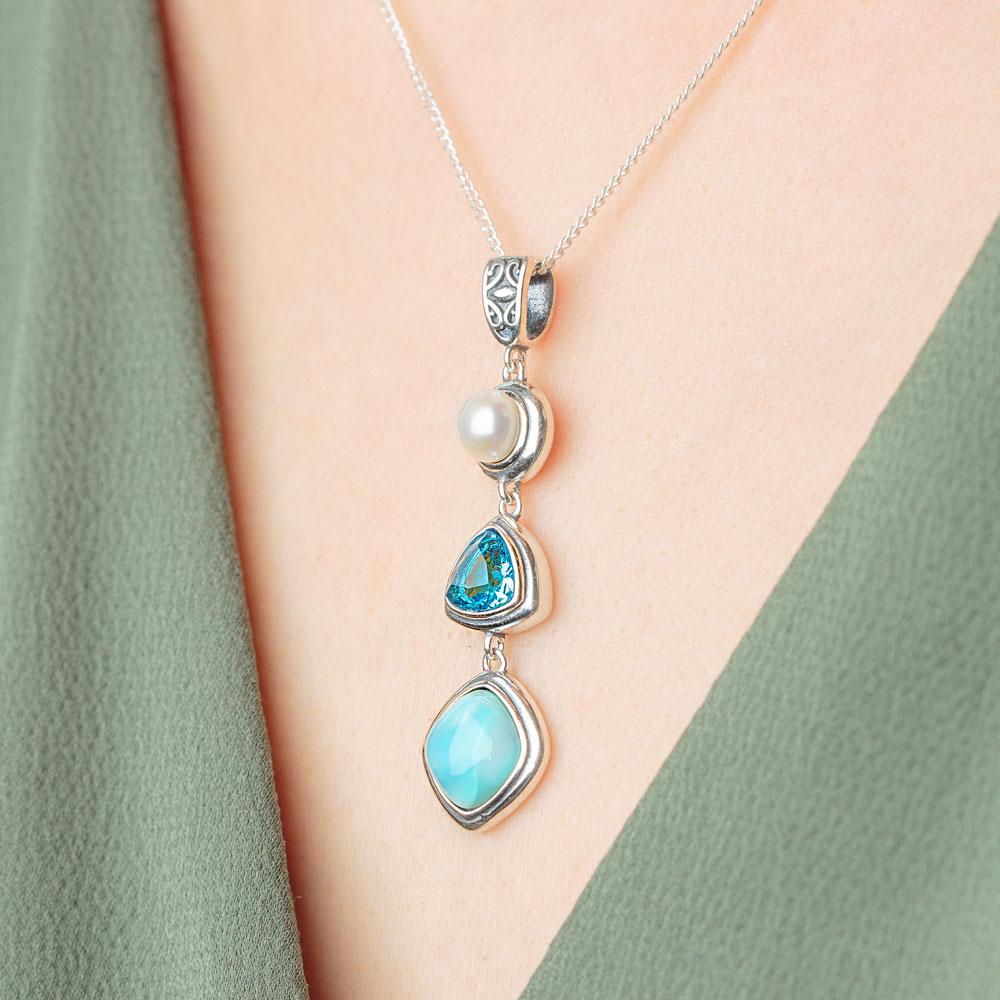
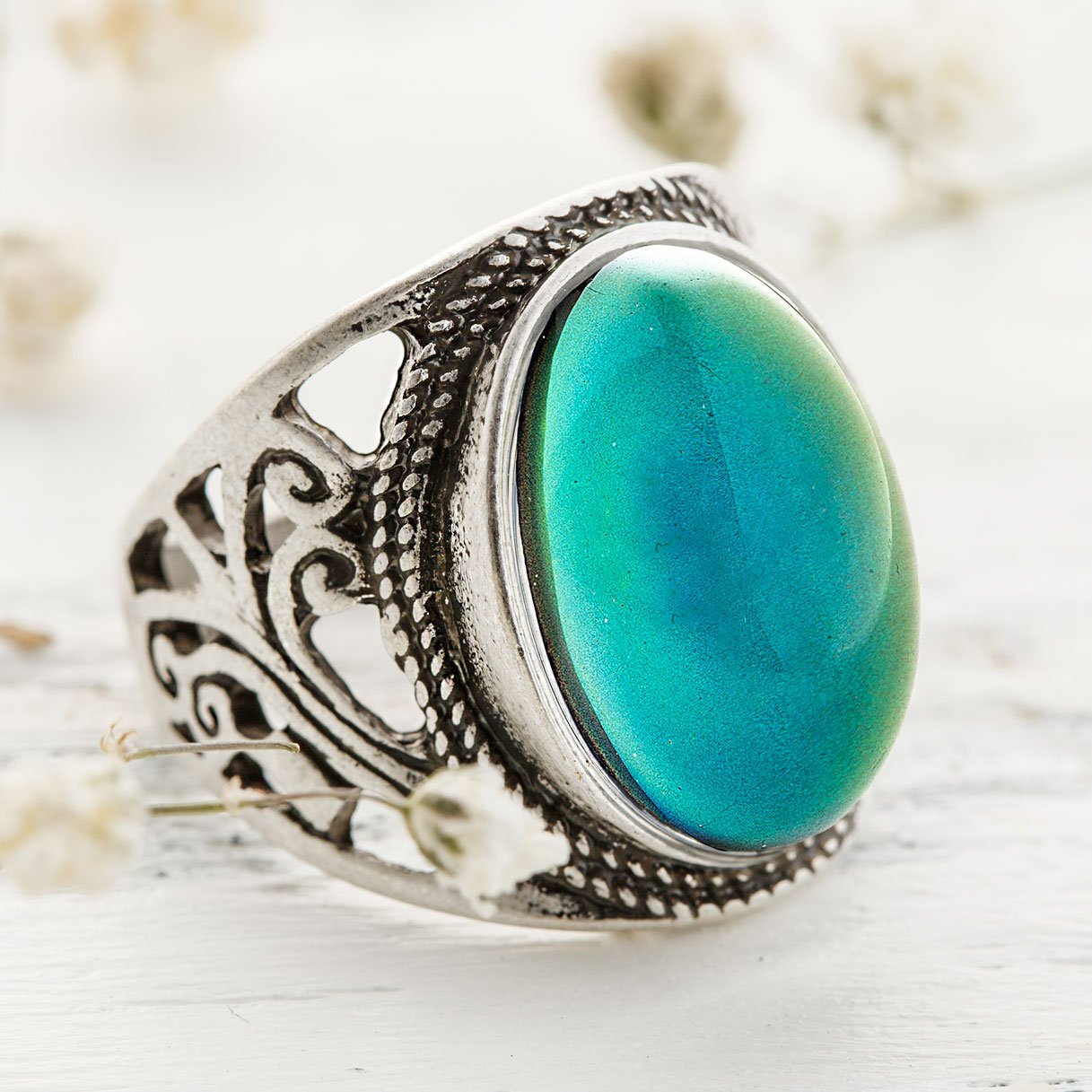
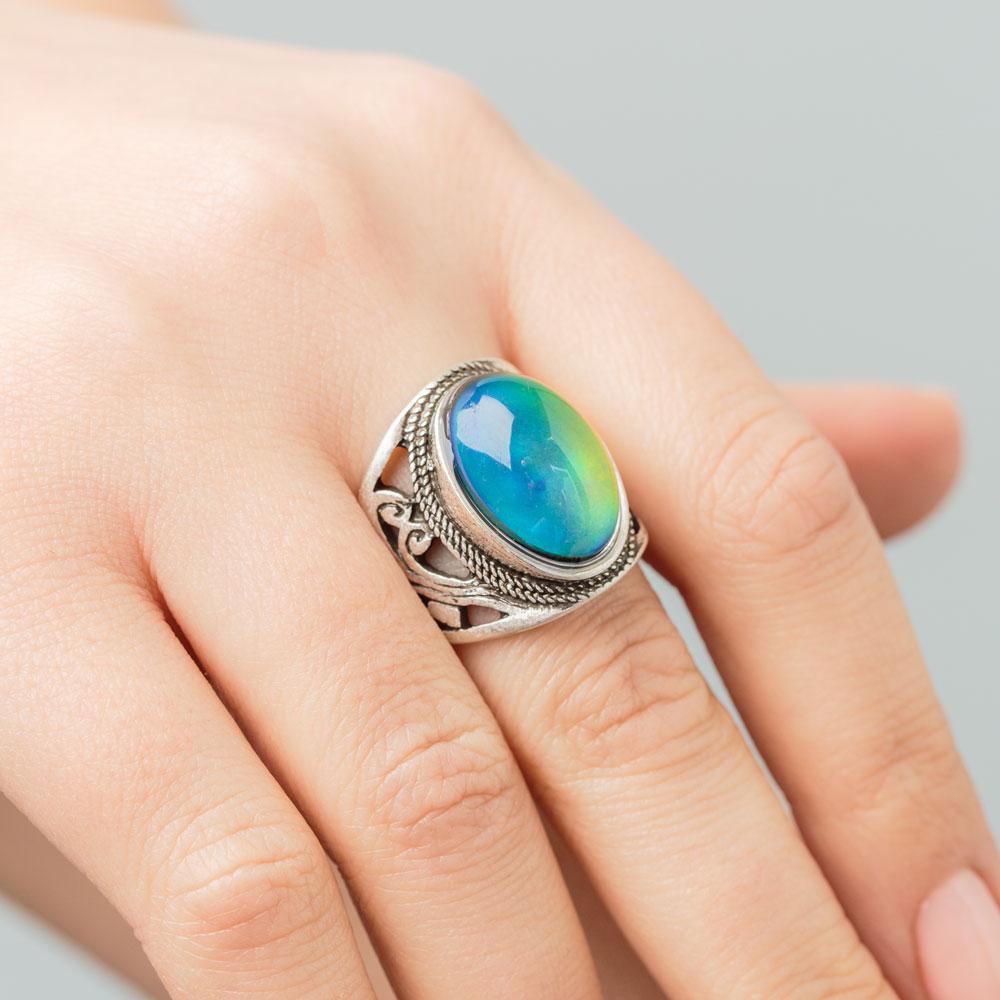
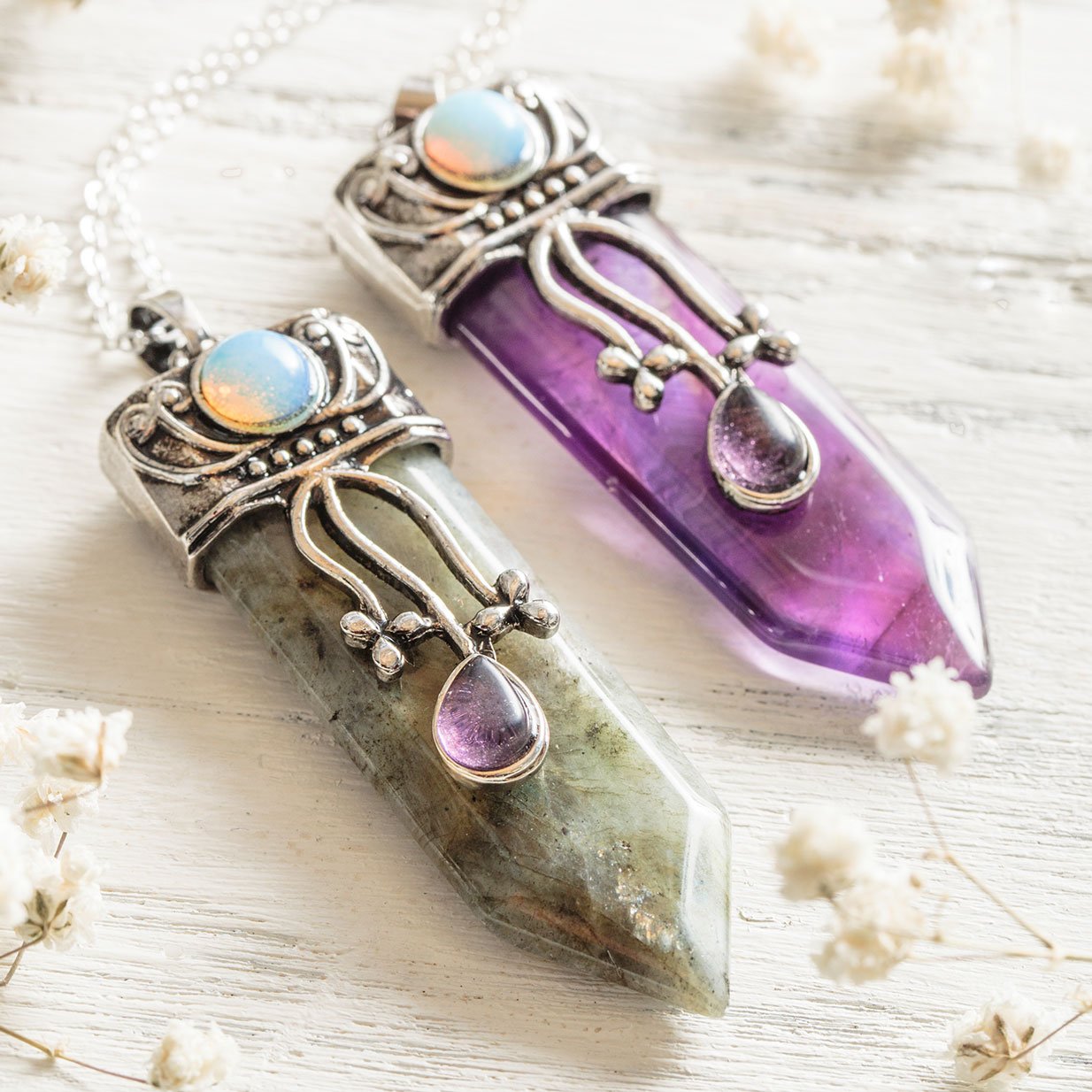
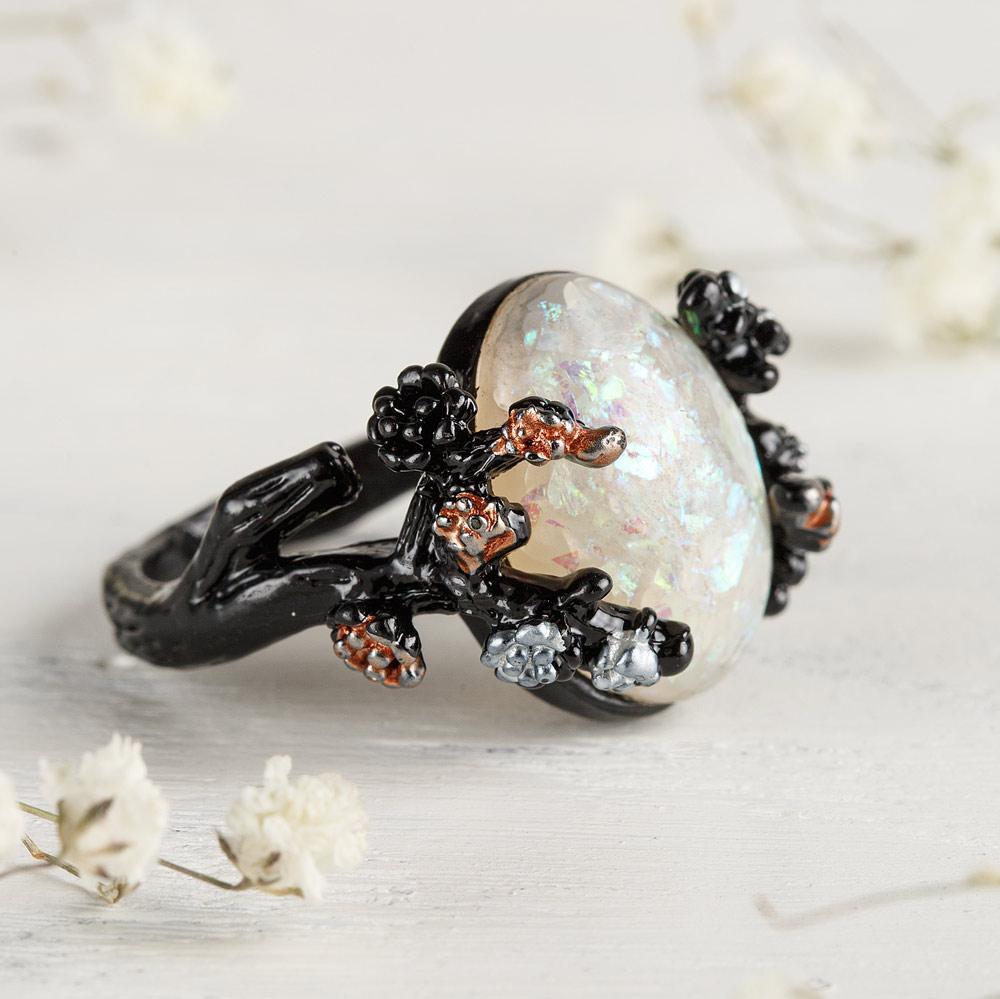
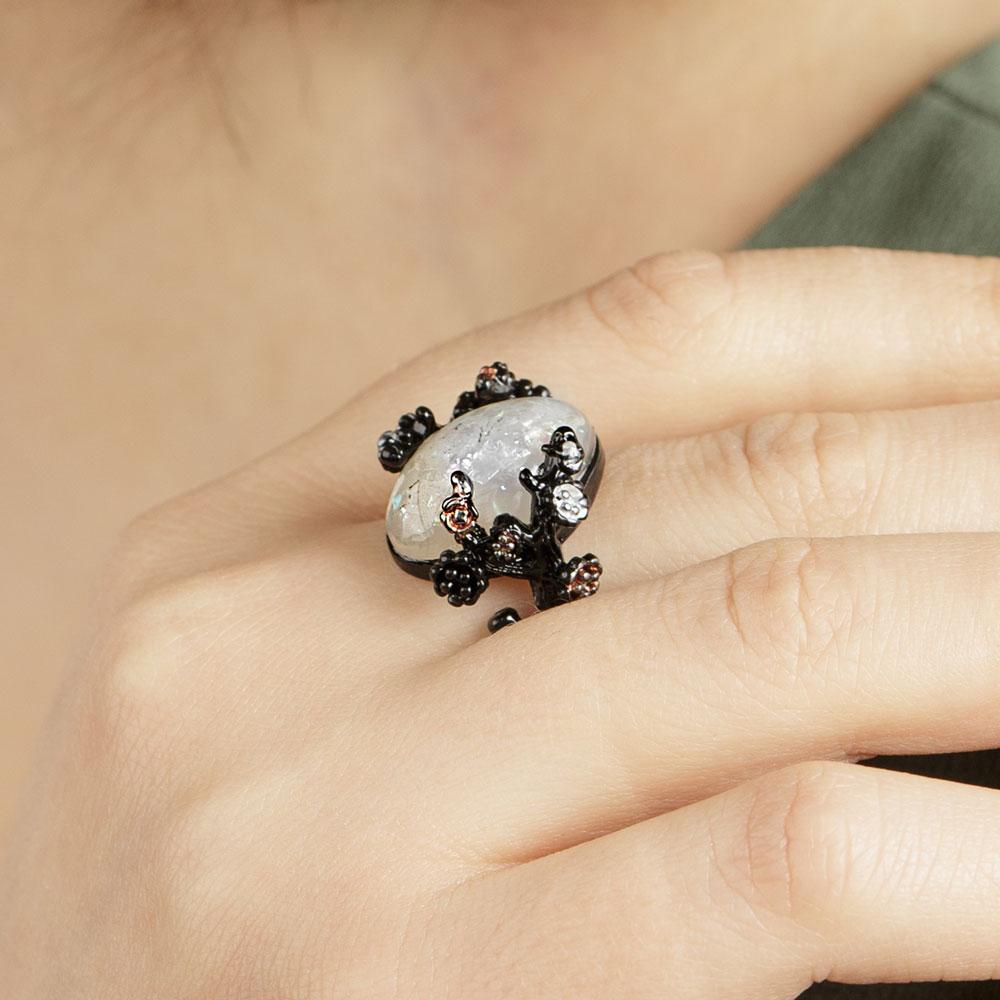
Opal is a popular jewelry choice for its unique beauty and powerful energy. Wearing Opal throughout the day keeps its protective energy close, working continuously with your emotional and spiritual body. Whether in a ring, bracelet, pendant, or necklace, Opal helps you feel more creative, intuitive, and balanced.
Opal for Home Decoration
Beyond jewelry, Opal is gorgeous as home decor. Placing Opal stones in your space adds beauty while enhancing the energy. These rainbow gems bring color, light, and uplifting vibes wherever you put them. Display Opal in shared areas like living rooms to create a more joyful, harmonious atmosphere for everyone.
Opal for Meditation
Because Opal helps you connect with your emotions and promotes spiritual development, it's a great meditation stone. Using Opal during meditation helps you explore your inner world more deeply and access hidden insights. Hold the stone or place it on your Heart Chakra, letting Opal help you process and release emotions.
Opal for Protection
While known for emotional work, Opal also offers energetic protection. It's sometimes called a "shield stone" because it protects your aura from negative energy and psychic attacks. Having Opal in your pocket or wearing it creates a protective buffer, making it especially useful for empaths or those in emotionally intense environments.
Opal for Spirituality
Beyond meditation, Opal is used in many spiritual practices. It helps balance the chakras and improve energy flow throughout your body while enhancing intuition and psychic abilities. If you're developing your spiritual gifts, Opal supports you in trusting your inner knowing and seeing beyond surface appearances.
Final Thoughts About Opal
Keeping an Opal gemstone close to you can allow you to tap into its amplifying, creative, and emotionally healing energy. Whether you wear it as jewelry, use it during meditation, or keep it nearby at home or work, Opal can be a powerful companion on your journey of transformation and self-expression.
FAQ About Opal Crystals
How do you clean an Opal crystal?
Gently wipe Opal with a soft, damp cloth to remove dirt. Because it contains water, never use chemicals, harsh cleaners, or ultrasonic cleaners. Avoid extreme temperatures.
Can Opal be exposed to sunlight?
Extended exposure to direct sunlight can cause Opal's color to fade or the stone to dry out and crack. It's best to store Opal in a dark, slightly humid environment.
How should you store Opal?
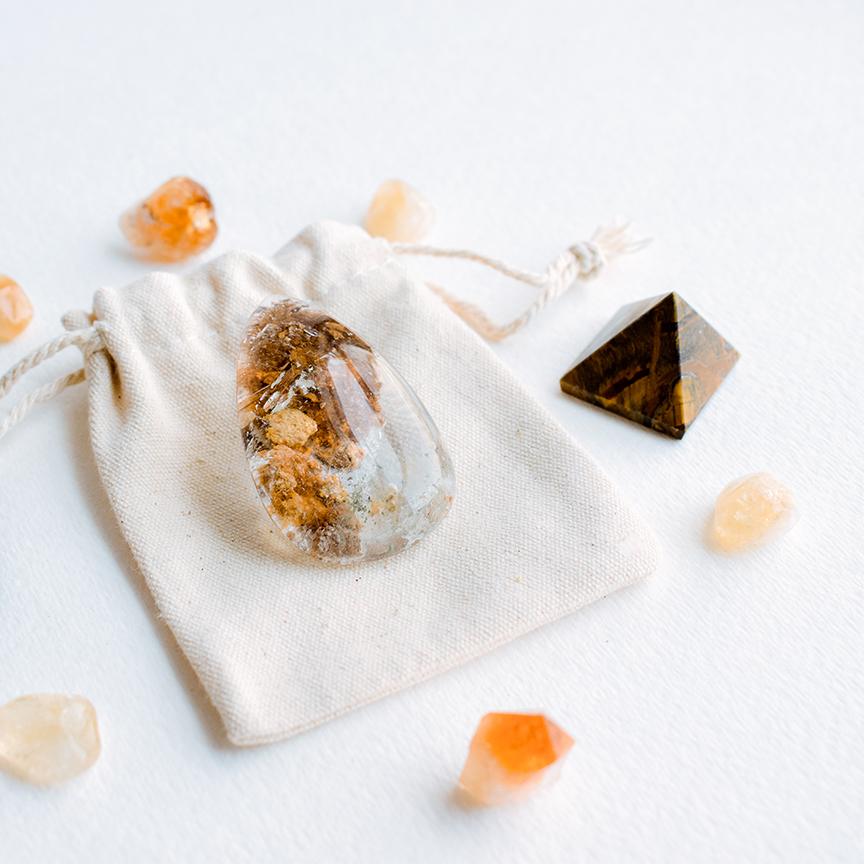
Store Opal separately from other gemstones in a soft pouch. Some people keep a damp cotton ball with it to prevent drying. Wrap it carefully to avoid scratches.
Can Opal be recharged with other crystals?
Yes, you can cleanse and recharge Opal by placing it near Selenite or Clear Quartz. Avoid salt or water cleansing methods as these can damage the stone.
Why is Opal considered fragile?
Due to its water content and amorphous structure, Opal is softer and more delicate than many crystals. It can crack, chip, or lose its luster if not handled carefully or exposed to harsh conditions.
What is the best way to keep Opal jewelry in good condition?
Handle Opal jewelry carefully, avoid exposing it to chemicals or extreme temperatures, and store it in a cushioned case. Clean gently with a soft cloth and avoid wearing it during physical activities.















 Mindful Points
 Wishlist
 Contact Us


 60 Seconds
 5 Questions


